
California Vineyard Owners Pull Up Roots as Wine Demand Collapses
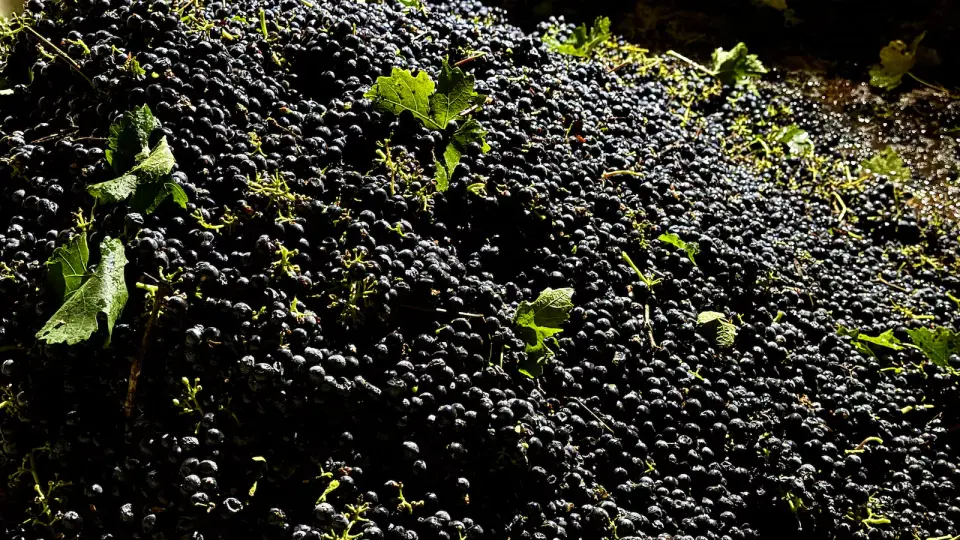
California grape growers are facing severe financial losses as US wine sales drop over 20% since 2020. With roughly 25% of state vineyards removed from production, many farmers cannot find buyers for their harvest. This decline forces growers to abandon profitable crops or switch to almonds and walnuts, impacting local economies and farmworkers.
Key points
- US wine case sales fell 23% from 427 million in 2020 to 329 million in 2025, with total spending dropping 22% to $74 billion.
- Approximately 25% of California's vineyards have been removed from production, with about half of this year's crop entering harvest without buyer contracts.
- Growers like Bill Berryhill are unable to sell grapes from significant portions of their land, leading to wasted harvests and financial losses.
- The industry faces competition from craft beer, spirits, and cannabis, alongside aging demographics and reduced global consumption.
- Tariffs have hindered exports, particularly to Canada, which was previously the largest foreign buyer of American wine.
Background
Previous coverage noted that California grape growers have been navigating a shrinking market for some time, with US wine cases sliding 23% from 2020 to 2025. Factors cited include aging Baby Boomers, changing consumer tastes, tariffs, and competition from craft beer, spirits, canned cocktails, and cannabis. This current report details the immediate operational consequences of that trend, including the removal of vineyards and the lack of buyer contracts for the 2026 harvest.
Why it matters
The collapse in wine demand threatens the livelihoods of thousands of California farmworkers and local businesses dependent on the agricultural sector. The shift away from wine toward other crops like almonds and walnuts could alter regional agricultural landscapes and supply chains, while the inability to export excess inventory due to global consumption drops and tariffs leaves growers with limited options to mitigate losses.
What to watch
Growers are expected to continue absorbing heavy losses while attempting to balance supply and demand. The industry hopes the market will bottom out soon, but for now, many are focusing on surviving the current downturn. Some may permanently switch to other crops, while others, like third-generation grower Bill Berryhill, plan to weather the storm due to long-term family ties to the land.
Want the full story? Read the original reporting
Read on ABC News - Breaking News, Latest News and Videos