
Metals Retreat: Gold and Silver Sink to Two-Month Lows
Gold and silver prices slipped to two-month lows, continuing a downturn in precious metals as market sentiment shifted and demand cooled.

All articles tagged with #commodity prices
Gold and silver prices slipped to two-month lows, continuing a downturn in precious metals as market sentiment shifted and demand cooled.
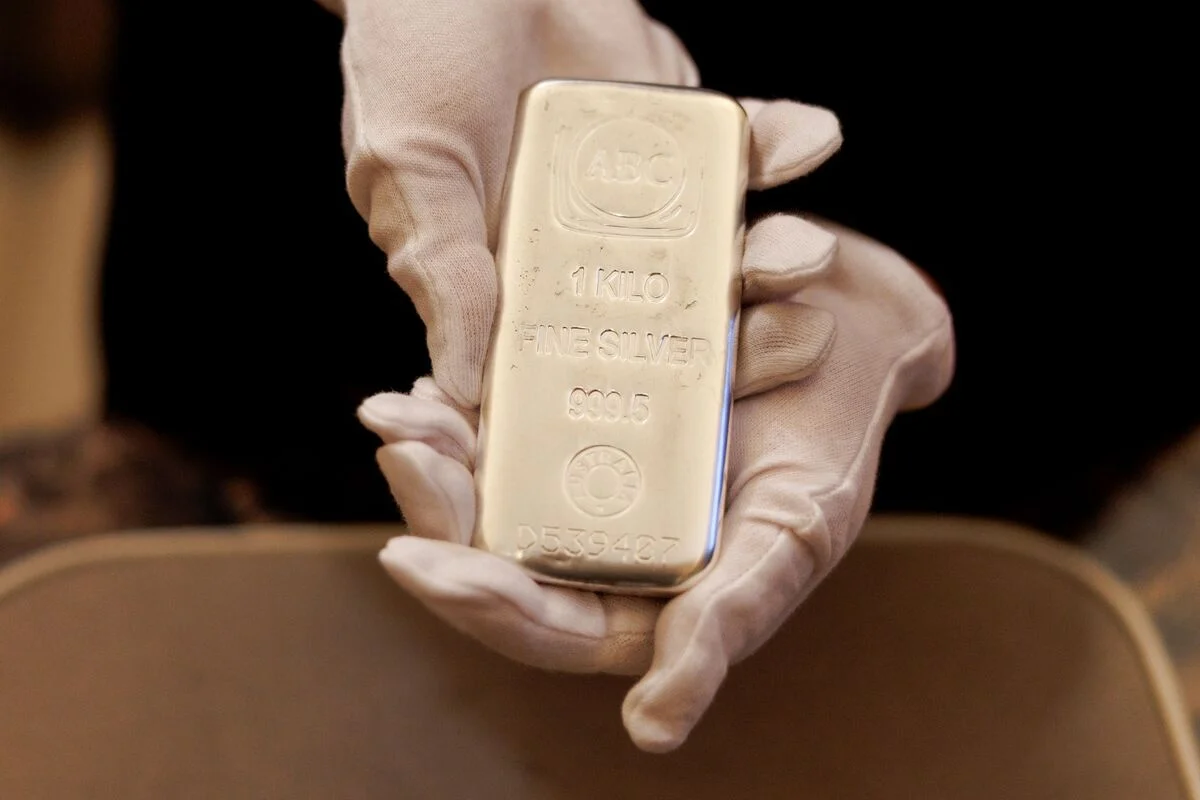
Silver rebounded after its largest one-day drop in over five years, supported by ongoing supply shortages and strong central bank buying, with prices on track for a yearly high not seen since 1979, despite recent volatility and technical sell-offs.
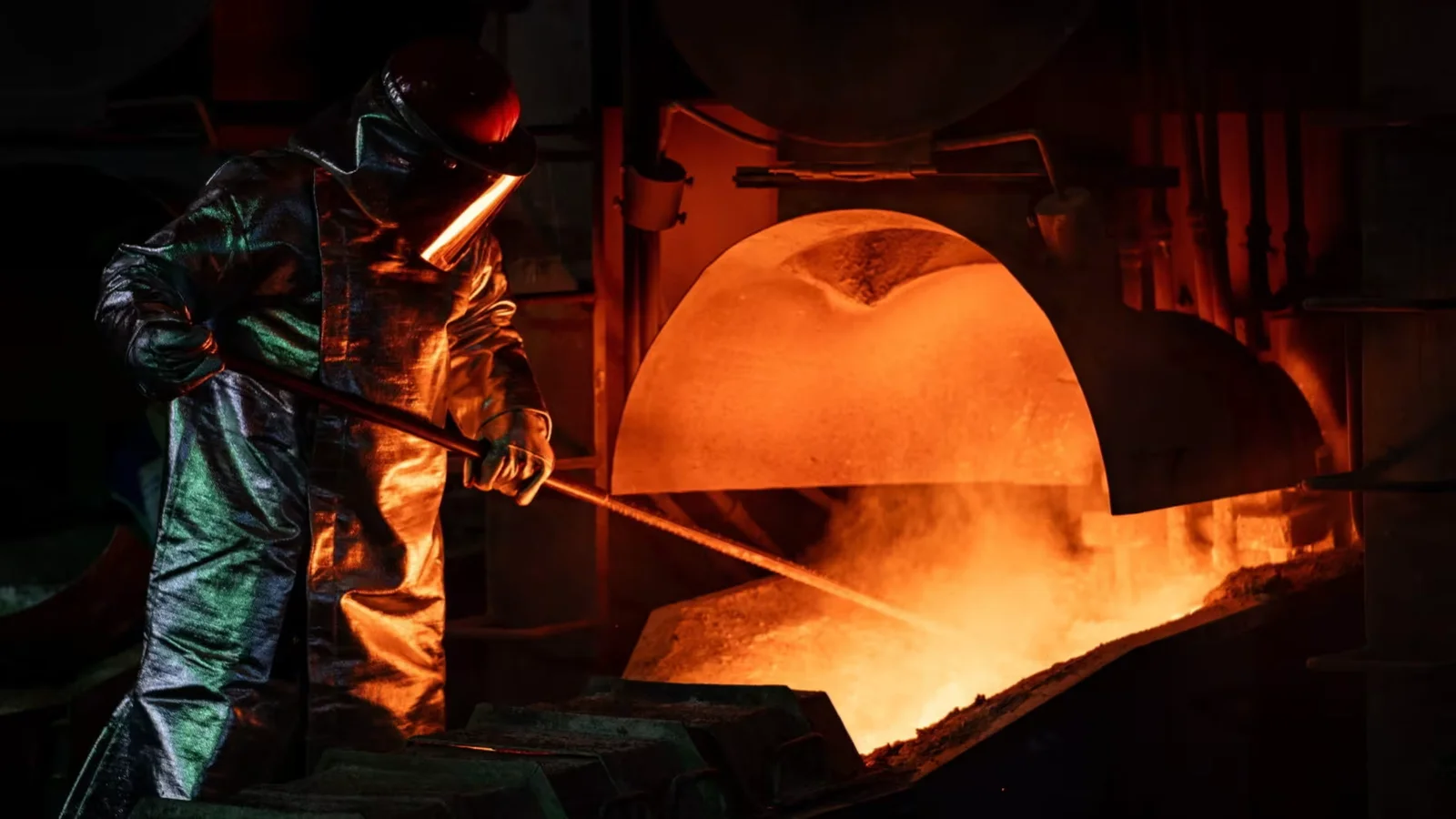
Copper prices have experienced their largest increase in over a decade, highlighting significant shifts in the commodity market.

Despite cocoa prices plunging nearly 50% this year after a historic rally, chocolate remains expensive due to manufacturers' existing high-cost cocoa stocks and recipe adjustments, with price reductions unlikely until the second half of next year.

Gold prices dropped 6% following a record-breaking rally, indicating a significant correction in the commodity market after a period of strong gains.
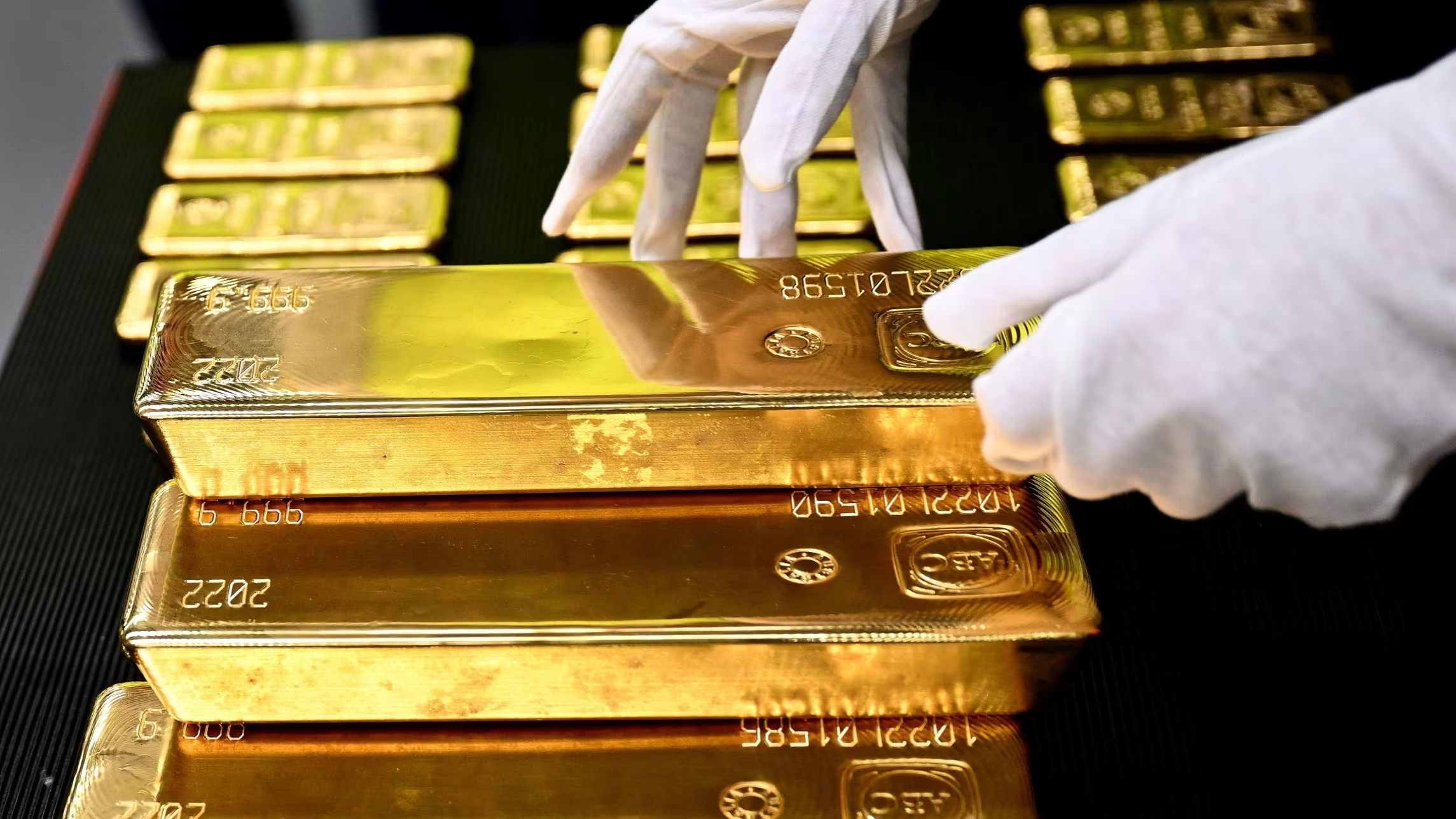
Gold prices surged past $3,800 an ounce amid concerns over a potential US government shutdown, causing market volatility and highlighting economic uncertainty.
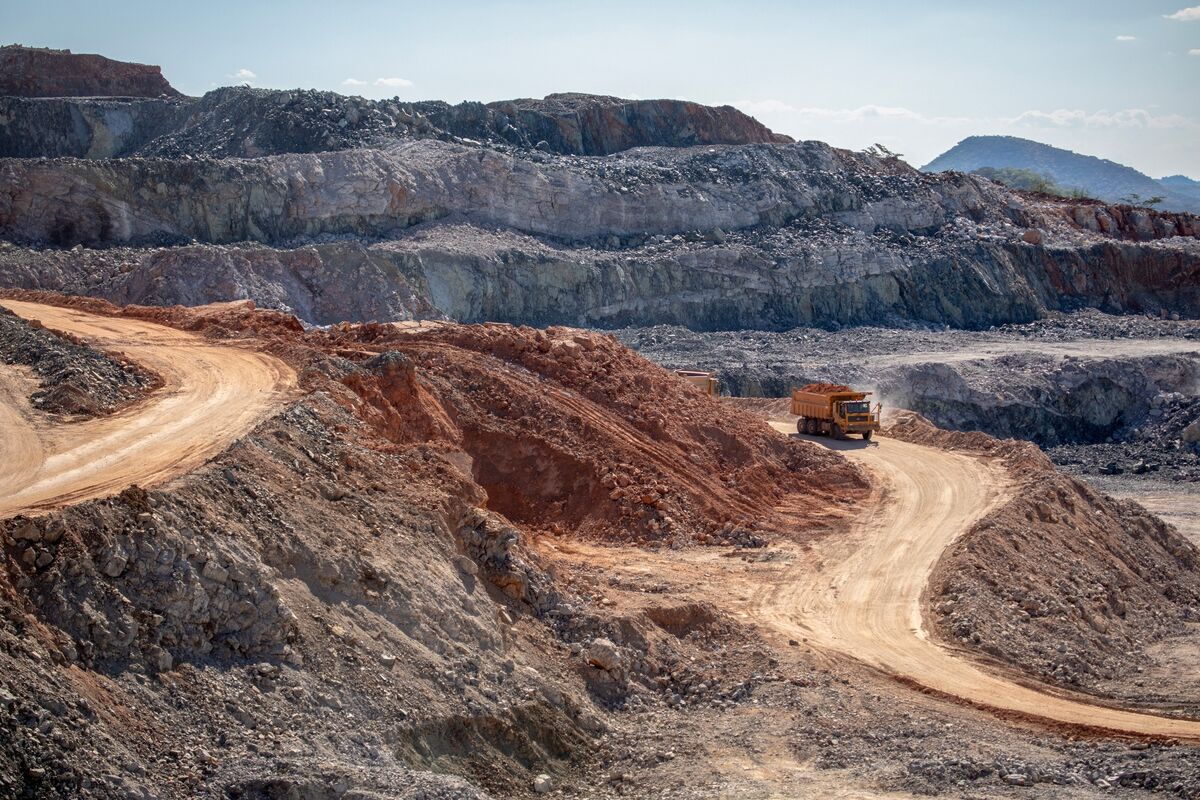
Lithium prices and stocks surged after CATL suspended activity at a major Chinese lithium mine, raising hopes of output curbs amid China's crackdown on overcapacity, despite the overall market facing a global supply glut and declining prices since 2022.

BHP's failed attempt to acquire Anglo American's copper operations highlights the growing scarcity of copper. Despite record-high prices and increasing demand driven by energy transitions, AI development, and defense spending, new copper supply investments remain weak. The market is currently in surplus, but future deficits are expected due to declining ore grades and regulatory challenges. Miners are hesitant to invest heavily in new mines, preferring acquisitions to grow revenue.
Aluminium and nickel prices surged following the imposition of sanctions on Russian supply, as concerns over disruptions to the global supply chain intensified. The sanctions, imposed in response to Russia's invasion of Ukraine, have raised fears of potential shortages and supply chain disruptions, leading to a sharp increase in commodity prices.
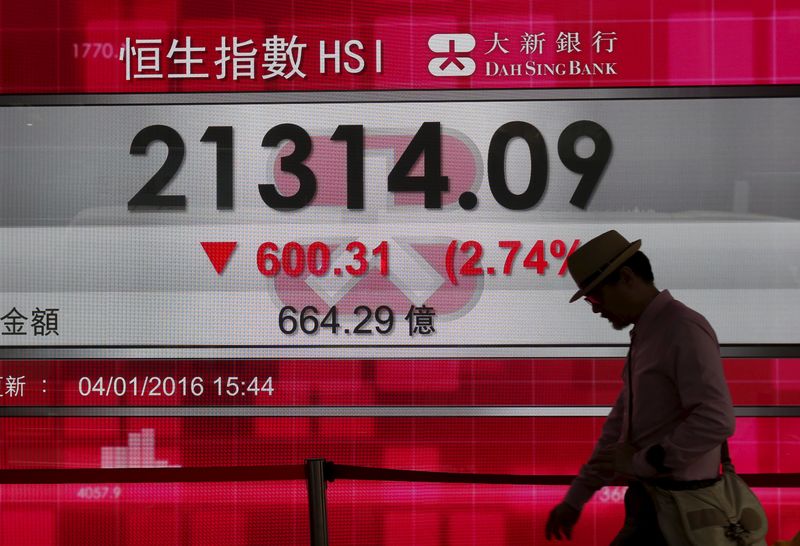
Asian stocks were mostly flat or lower as investors awaited key U.S. inflation data, with Hong Kong's Hang Seng index being a notable outperformer due to strong gains in tech major Alibaba. Alibaba surged 3.6% after founder Jack Ma endorsed recent reforms and the company announced steep price cuts in its cloud business. Australian stocks also rose on the back of gains in heavyweight mining stocks, driven by a bounce in commodity prices. Broader Asian markets remained subdued as anticipation of the U.S. consumer price index inflation print kept sentiment cautious.

Commodity prices, buoyed by an improving global growth outlook, are complicating the interest rate picture as markets await the March consumer price inflation report. Rising energy and metals prices may give central banks reason to remain cautious about easing credit too early. Wall Street is anxious about the possibility of a blank for the start of the U.S. rate cut cycle, and rate futures now see June as a coin toss for the Federal Reserve. The positive twist for commodity stocks is offset by the additional headache this gives central bankers already wary about inflation stuck stubbornly above 2% targets. The week also marks the start of the corporate earnings season on Friday, with annual S&P500 profit growth through the first quarter penciled in at 5%.

Cocoa prices surged to a record-breaking $10,030 per metric ton, driven by supply constraints including hotter temperatures in Ivory Coast, the world's largest cocoa producer, and an outbreak of cacao swollen shoot virus. The commodity has soared nearly 138% this year, with strong chocolate demand in countries like the U.S. contributing to the price hike.

Goldman Sachs expects commodity prices to rally this year, with potential returns as high as 15%, driven by increased demand due to central bank interest rate cuts. The investment bank's analysts anticipate substantial price increases for crude oil, aluminum, copper, and gold, as a result of a changed economic outlook. They also revised their oil price forecast to $87 per barrel of Brent crude, citing disruptions in shipping in the Red Sea, and suggested that oil prices might top $100 per barrel this year due to strong demand and slowing supply growth from non-OPEC producers.

With Asia on holiday, U.S. markets remain relatively quiet as investors await the U.S. consumer price report for January, which is expected to impact Federal Reserve rate cut predictions. Inflation concerns are heightened as the price of cocoa surges due to poor harvests in Cote d'Ivoire and Ghana, potentially impacting companies like Kraft Heinz, Coca Cola, and Restaurant Brands. Additionally, the UK faces the possibility of confirming a technical recession, while the U.S. retail sales data and several Fed speakers are also anticipated to influence market movements.

Natural gas markets continue to fall, hovering around the crucial $2.00 level, with significant support expected at this level. The demand for natural gas is likely to decrease due to an oversupply caused by a disappointing winter. A range between $2 and $3 is anticipated, with caution advised as the market undergoes a bottoming process, but potential opportunities may arise for long-term investors as drillers may soon cease operations due to financial constraints.