
Candy Sales Slump 6.7% as Cocoa Costs and Budget Stress Hit Halloween Spending
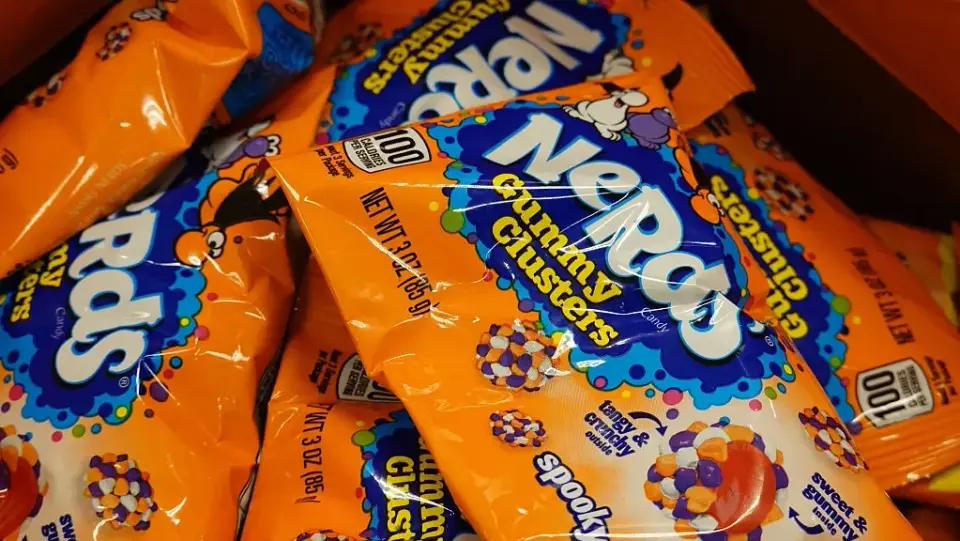
U.S. Halloween candy sales dropped 6.7% in the month ending October 17, 2026, compared to the same period last year, according to NielsenIQ. This decline follows an 11.7% drop in mid-September, erasing gains from previous years. While overall Halloween spending is projected to reach $13.5 billion, consumers are shifting to smaller package sizes and delaying purchases due to rising costs.
Key points
- NielsenIQ reported a 6.7% decline in candy sales for the month ending October 17, 2026, compared to 2025.
- Candy and gum prices have risen 44% over the past five years, significantly outpacing the 22.5% increase in at-home food prices.
- Global cocoa prices hit a record $10,710 per metric ton in January 2025 due to poor weather in West Africa and speculative trading.
- Consumers are buying small bags of candy, which saw sales growth, while large and extra-large bags experienced the steepest declines.
- The National Retail Federation projects total Halloween spending will reach $13.5 billion, up from $13.1 billion in 2025.
Background
Recent archive coverage noted that candy prices surged 8.1% year-over-year in August 2026, driven by a 15.5% increase in chocolate costs. Earlier reports highlighted that a 100-piece bag now averages $16.96, with some urban areas reaching $30 for 150 pieces. Manufacturers have been reformulating products and promoting salty snacks as alternatives to traditional treats in response to these sustained price hikes.
Why it matters
The decline in early candy sales signals broader consumer caution amid rising living costs. While total holiday spending is expected to grow, the shift toward smaller purchases and delayed buying indicates that households are prioritizing essential expenses like gas and housing over discretionary treats.
What to watch
Industry experts expect the peak Halloween period to drive final sales, potentially offsetting earlier softness. The National Confectioners Association remains optimistic about consumer enthusiasm, while analysts note that shoppers may continue to seek discounts and compare prices to manage budgets.
Want the full story? Read the original reporting
Read on USA Today