
Cleveland Fed Chief Hammack Advocates for Rapid, Incremental Rate Hikes to Tackle Broad Inflation
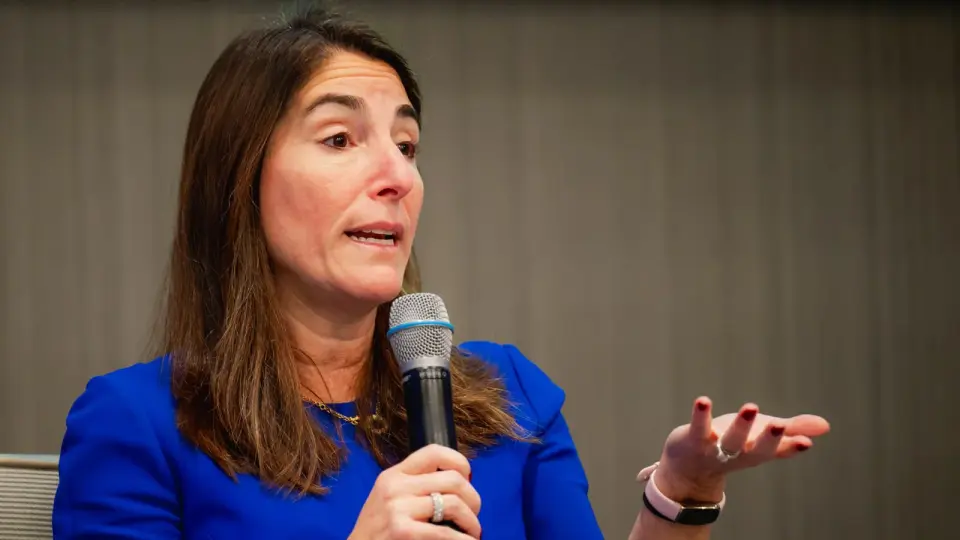
Cleveland Federal Reserve President Beth Hammack stated that a restrictive monetary policy stance is necessary to return inflation to the 2 percent target. She argued that policymakers should make smaller, faster adjustments to interest rates rather than delaying action, which risks requiring larger course corrections later. Hammack noted that while long-term inflation expectations remain anchored, persistent price increases across various sectors create risks of an entrenched inflationary mindset. She emphasized that the current labor market and solid economic growth provide the capacity for tighter policy without causing significant economic harm.
Key points
- Hammack stated that a restrictive monetary policy stance is appropriate to ensure a timely return to 2 percent inflation.
- She advocated for making smaller, relatively quick interest rate adjustments rather than waiting, which could necessitate larger corrections later.
- The Cleveland Fed chief noted that headline PCE inflation was 3.4 percent and core PCE was 3 percent in August, both above target.
- Hammack identified broad-based inflationary pressures, including energy costs, tariffs, and demand from AI infrastructure, as key drivers.
- She warned that persistently elevated inflation risks entrenching an inflationary mindset in the economy, despite currently anchored long-term expectations.
- Market traders see an 88 percent chance of a rate hike at the Federal Reserve’s December meeting, according to CME FedWatch data.
Background
This statement follows a series of hawkish signals from the Federal Reserve in 2026. In September, the Fed raised rates for the first time in three years, and meeting minutes indicated officials could vote for further increases, though without a specific timeline. Earlier in the year, U.S. 10-year Treasury yields breached 5 percent, reflecting market expectations of a higher-for-longer interest rate path. The Fed has also increasingly focused on the impact of artificial intelligence capital expenditure on both growth and inflation risks, with Chair Kevin Warsh highlighting AI as a central policy question. These developments have occurred amid rising energy prices and geopolitical tensions in the Middle East, which have further complicated inflation forecasts.
How outlets are covering it
CNBC reported on Hammack’s remarks as a signal that more interest rate hikes could be imminent, highlighting her call for fast, incremental adjustments. The primary source emphasized the market’s pricing of a December hike and the risk of an entrenched inflationary mindset. The Federal Reserve Bank of Cleveland provided the full text of Hammack’s speech, offering a more detailed explanation of her 'reaction function.' Hammack used a sailing metaphor to describe monetary policy, emphasizing the need to adjust to changing conditions in real time. She distinguished her reaction function from forward guidance, clarifying that her comments describe how policy is likely to respond to conditions rather than making a specific commitment. The Cleveland Fed source also detailed the various inputs to her decision-making process, including economic data, financial conditions, forecasts, and direct feedback from regional contacts, providing a more comprehensive view of her reasoning than the CNBC summary.
Why it matters
Hammack’s stance reinforces the Federal Reserve’s commitment to fighting inflation, even if it means maintaining or increasing interest rates for a longer period. Her emphasis on broad-based inflationary pressures, including those from AI infrastructure and tariffs, suggests that the Fed may not view current price increases as temporary or isolated. This could lead to further rate hikes, which would impact borrowing costs for consumers and businesses, potentially slowing economic growth. The risk of an entrenched inflationary mindset is a significant concern, as it could make it harder for the Fed to bring inflation down in the future. Market expectations of a December hike reflect the seriousness with which investors are taking these signals, which could influence asset prices and economic activity in the coming months.
What to watch
The Federal Reserve’s next policy meeting is scheduled for later in October, with traders currently pricing in a high likelihood of no change. However, the market sees a nearly 88 percent chance of a rate hike at the December meeting. Hammack’s comments suggest that the Fed may be preparing for further tightening if inflation does not show signs of cooling. The next few months will be critical in determining whether the Fed follows through on its hawkish stance or if economic data prompts a shift in policy. Investors and businesses will be watching closely for any changes in inflation data, labor market conditions, and Fed communications to gauge the likelihood of future rate hikes.
- Higher rates could be needed to avoid 'inflationary mindset' taking hold, says Fed's Hammack CNBC
- When Companies Stop Driving a Hard Bargain, This Fed Official Starts Worrying WSJ
- Trimming the Sails: Communicating My Reaction Function Federal Reserve Bank of Cleveland
- Fed's Hammack backs restrictive policy, says better if it comes 'relatively quickly' Reuters
- Cleveland Fed’s Hammack Says Interest Rates Need to Be Higher Barron's
Want the full story? Read the original reporting
Read on CNBC