
College Graduate Underemployment Reaches Six-Year High
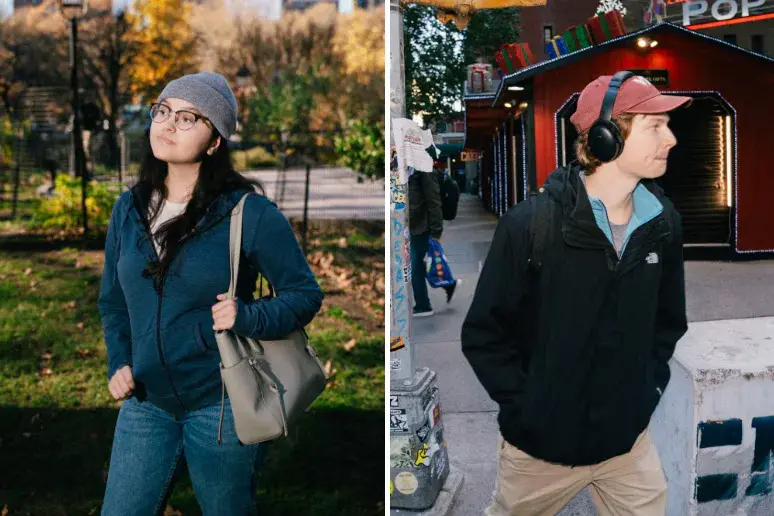
Underemployment among Americans aged 22 to 27 has reached its highest level since the 2020 pandemic, with nearly half of recent graduates working in jobs that do not require a degree. This trend is driven by a low-hire, low-fire labor market, tariff uncertainty, and rising interest rates. While some fields like nursing and engineering remain stable, majors in criminal justice and performing arts face underemployment rates nearing 65%. Experts warn that starting a career in a low-paid role can have long-term negative effects on earnings and career trajectory.
Key points
- The share of recent college graduates working in jobs that typically do not require a degree reached 42.5% in September 2026, according to the Federal Reserve Bank of New York.
- Business Insider reports that half of the class of 2025 was underemployed, a significant rise from the 39% average seen between 2017 and 2019.
- Unemployment among recent graduates stands at 5.2%, compared to 2.8% for all college graduates, according to the Federal Reserve Bank of New York.
- Majors in criminal justice and performing arts have the highest underemployment rates at nearly two-thirds, while nursing and engineering majors have rates below 20%.
- A 2024 study by the Burning Glass and Strada Institutes found that 73% of graduates who start underemployed remain so ten years later, making them 3.5 times more likely to be underemployed than peers who started in degree-level jobs.
Background
This trend follows a period of rising job market difficulty for new graduates, as noted in earlier coverage from May 2026. The current situation is part of a broader economic environment characterized by slower hiring and a decrease in job switching. While the New York Fed has noted that AI is not the primary driver of this trend, it remains a factor in the uncertainty surrounding entry-level hiring.
How outlets are covering it
The Washington Post and EdSource emphasize the impact of macroeconomic factors like tariffs, inflation, and AI on the labor market, citing Jeff Strohl of Georgetown University. Business Insider focuses on the competitive disadvantage new graduates face against experienced workers for entry-level roles, noting that employers are increasingly hiring senior-level talent. The Miami Hurricane provides a student-centric perspective, highlighting the stress and strategic job search tactics required in this environment, while noting that some students secure offers early through networking and portfolio building.
Why it matters
This trend has long-term implications for the careers and earnings of recent graduates. Starting in a low-paid or non-degree job can lead to a 'stacking effect' that hinders career growth and reduces lifetime earnings. It also reflects a shift in the labor market where the traditional advantage of a college degree is diminishing for certain fields and demographics.
What to watch
Experts expect underemployment to remain elevated for the class of 2026. The situation may only improve if employers resume hiring and investing in entry-level talent to train future senior-level experts. Continued monitoring of labor market data and the impact of AI on hiring practices will be crucial in understanding the trajectory of graduate employment.
- They graduated college, but they haven’t been able to use their degrees The Washington Post
- Half of recent college grads can't find a job that actually requires a degree Business Insider
- Half Of Class Of 2025 Was Underemployed One Year After Graduation Forbes
- UPDATE: Underemployment for recent college graduates hits six-year high EdSource
- How to secure a job before graduation The Miami Hurricane
Want the full story? Read the original reporting
Read on The Washington Post