
Construction Trades Lead 2026 Wage Growth Amid Labor Shortages
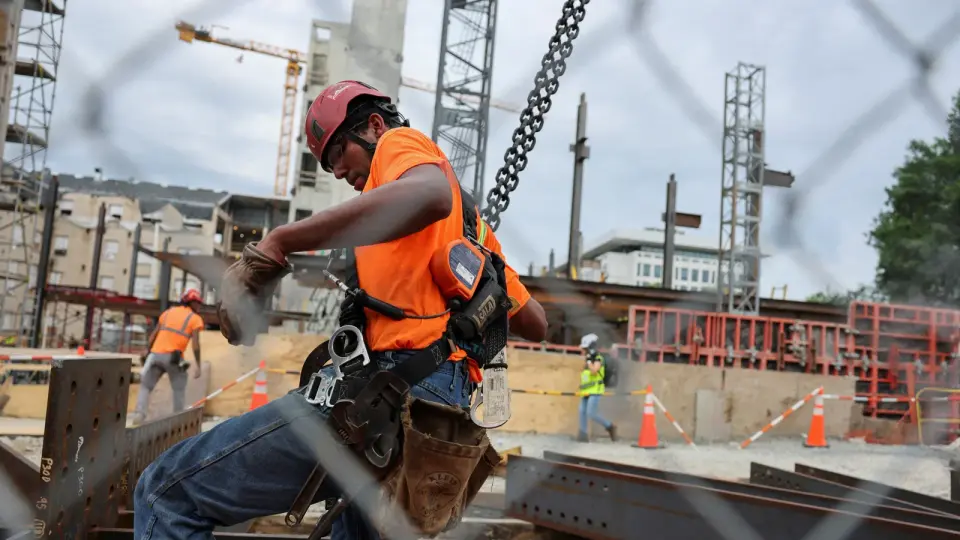
Construction workers switching jobs in 2026 saw pay rise by 12.9% year-over-year, outpacing all other sectors. Median earnings for these job-changers reached approximately $59,000, significantly higher than the $43,000 average across all industries. This surge reflects intense demand driven by major infrastructure projects, chip manufacturing, and AI data centers, compounded by a shortage of skilled labor and a wave of retirements.
Key points
- ADP data indicates that construction is the top sector for pay growth among job-switchers in 2026, with a 12.9% annual increase.
- The median gross pay for workers moving into construction is roughly $59,000, compared to $43,000 for job-changers in other fields.
- Demand is fueled by large-scale projects, including CHIPS Act facilities in upstate New York and AI data centers like OpenAI's Project Camilla in Georgia.
- A significant number of retirements in the construction sector is exacerbating the labor shortage, forcing employers to raise wages to attract replacements.
- The wage gap highlights a broader trend where specific high-demand industries see rapid pay increases while other sectors experience slower growth.
Background
Previous coverage in July 2026 noted that construction was already identified as a hot career due to similar ADP data trends, with median pay exceeding $59,100. This ongoing shortage has prompted increased focus on apprenticeship and training programs to address the skilled-trades deficit. The current report expands on this by linking the wage spike to specific large-scale infrastructure investments and demographic shifts, such as the retirement of older workers.
Why it matters
The divergence in wage growth between construction and other sectors illustrates the uneven nature of the current job market. For workers in industries with slower pay raises, the high cost of living may feel more acute as prices remain stubbornly high. The construction boom serves as a clear indicator of how industry demand directly impacts income potential, signaling that strategic career moves into high-demand trades can yield substantial financial benefits compared to staying in sectors with stagnant wages.
What to watch
Employers in construction and related infrastructure sectors are likely to continue raising wages to compete for scarce talent. As major projects like AI data centers and chip plants break ground, the demand for trades workers will remain high. Additionally, the ongoing wave of retirements will sustain pressure on wages, potentially leading to further expansion of apprenticeship programs to fill the gap left by experienced workers.
Want the full story? Read the original reporting
Read on USA Today