
Diesel Prices Soar 50% as Global Supply Crisis Hits U.S. Economy
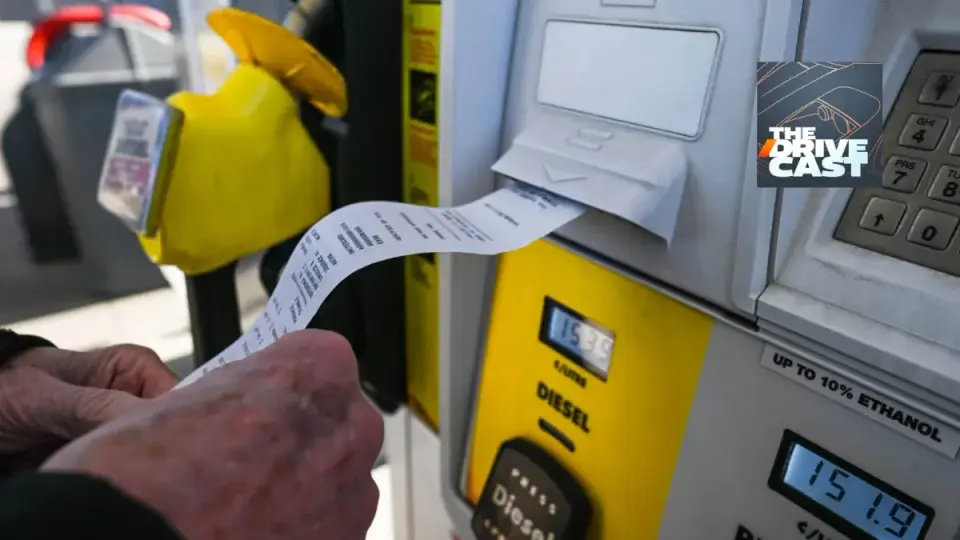
U.S. diesel prices have surged 50% in one year, reaching $5.60 per gallon, with forecasts predicting a record $6.00 by year's end. Unlike gasoline, diesel lacks government dilution mechanisms, leaving the economy exposed to supply shocks. The spike is driven by Russian export bans, Ukrainian drone strikes on refineries, and disruptions in the Strait of Hormuz. With no new U.S. refineries built since the 1970s, global refining capacity is 60% below seasonal norms, creating a prolonged shortage that threatens to inflate costs across transportation, agriculture, and retail sectors.
Key points
- U.S. diesel prices rose from $3.70 to $5.60 per gallon in one year, a 50% increase, with some forecasts predicting $6.00 by year-end.
- Global refining capacity outages are 60% higher than seasonal averages, according to Goldman Sachs, due to Russian refinery damage and Middle East disruptions.
- The U.S. has not built a new refinery since the 1970s, limiting domestic ability to offset global supply shortages.
- Diesel cracks (the margin between crude and refined diesel) hit record highs, with U.S. cracks exceeding $100 per barrel, signaling acute supply tightness.
- Unlike gasoline, diesel cannot be diluted with ethanol or other additives to lower prices, leaving consumers and businesses without quick relief.
Background
Diesel prices have been rising steadily since mid-2026, surpassing Biden-era averages and triggering inflation fears ahead of U.S. midterm elections. In August, prices reached $5.47 per gallon, with crack spreads at record highs. The White House summoned refiners in September to address the spike, but experts noted limited government leverage in a tight market. The current surge is part of a broader trend of energy price volatility driven by geopolitical conflicts and refining bottlenecks.
How outlets are covering it
The Drive emphasizes the lack of government intervention for diesel, noting that unlike gasoline, diesel cannot be diluted to lower prices, and highlights the economic ripple effects on businesses and consumers. OilPrice.com focuses on the global dimension, citing record-high diesel cracks and the impact of Russian export bans and Strait of Hormuz disruptions on refining margins. Overdrive Online, while less detailed in the provided text, frames the issue as a potential 'diesel shortage' with economic risks, aligning with concerns about supply tightness. All sources agree on the severity of the price spike but differ in emphasis: The Drive focuses on domestic policy gaps, OilPrice.com on global market dynamics, and Overdrive on the broader economic risk.
Why it matters
Diesel is the backbone of U.S. logistics, powering semi-trucks, freight trains, and agricultural equipment. A 50% price increase directly raises costs for goods and services, potentially triggering inflationary pressures across the economy. With no easy fixes like ethanol blending or new refinery construction, the shortage is expected to persist, impacting everything from school bus operations to holiday shopping costs. The lack of domestic refining capacity and global supply disruptions create a prolonged economic strain that could affect consumer prices and business profitability for months.
What to watch
Analysts expect diesel prices to remain elevated through 2027, with global refining capacity outages persisting. The Russian fuel export ban is likely to continue, and Strait of Hormuz disruptions may not resolve quickly. U.S. policymakers are expected to continue pressing refiners for capacity expansion, but experts caution that new refineries take years to build. Consumers and businesses may see further price increases as costs are passed down the supply chain, potentially affecting everything from grocery prices to school district budgets.
- The Feds Diluted Gas to Cut Prices. Diesel Has No Such Fix The Drive
- Diesel Cracks Hit Record Highs as Global Fuel Squeeze Deepens Crude Oil Prices Today | OilPrice.com
- Diesel prices climb to highest average since 2022, nearing record high ABC15 Arizona
- Diesel jumps to 4-month high with supply squeeze worsening The Seattle Times
- Is a real diesel shortage brewing? FTR analysts assess economic risk overdriveonline.com
Want the full story? Read the original reporting
Read on The Drive