
Fed Minutes Reveal Hike Risk If Inflation Rebounds
The Federal Reserve held rates steady in July but warned that hikes may be necessary if inflation does not decline. Minutes from the meeting show many officials concerned that persistent price pressures could become self-reinforcing. Recent data showed low July inflation, but renewed conflict in Iran is raising energy costs. The AI boom is also driving wage increases for skilled workers, adding to inflationary pressures.
Key points
- The Fed maintained its policy rate at 3.5%–3.75% during its late July meeting, with three officials dissenting in favor of a 25-basis-point increase.
- Meeting minutes indicate that many participants believed policy tightening would likely be required if inflation failed to decline, aiming to avoid steeper hikes later.
- July consumer prices rose only 0.1%, aided by a temporary drop in energy prices during a lull in the Iran war, but fighting has since intensified, pushing gas prices higher.
- Officials expressed concern that inflation is no longer just a temporary result of tariffs or war, as underlying price pressures remain elevated even after excluding those factors.
- The AI boom is emerging as a new inflation driver, with high demand for electricians, machinists, and engineers leading to notable wage increases.
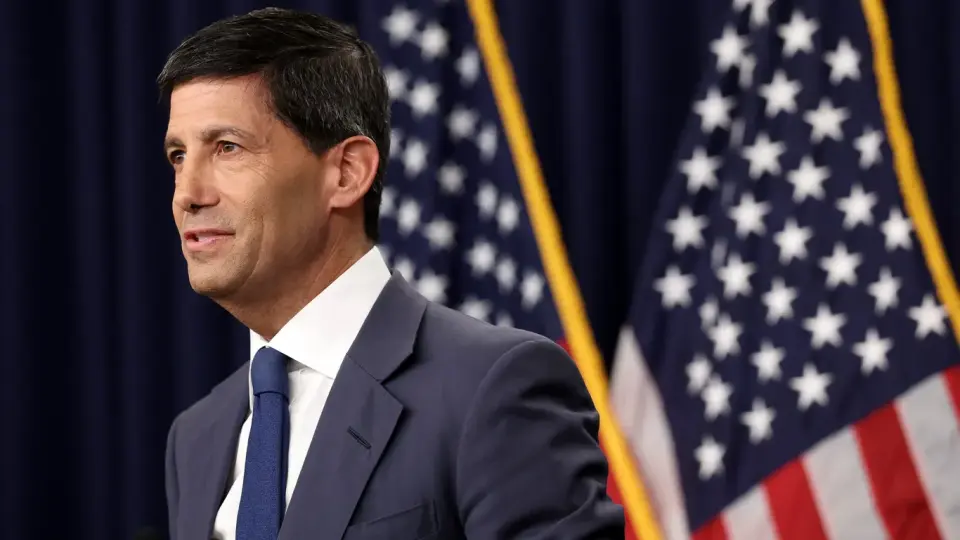
- Fed Chair Kevin Warsh floated reducing the number of annual policy meetings from eight to six to allow more time for strategic consideration, though no decision has been made.
Background
The Fed has held rates steady for five consecutive meetings, with policymakers split over whether to hike or cut. In July, three officials dissented in favor of a hike, citing concerns over persistent inflation above the 2% target. Earlier in 2026, officials like Christopher Waller emphasized a data-driven approach, warning against complacency while noting that hikes would depend on incoming data. Markets have priced in varying odds of a September hike, with some traders seeing a 40% chance, while others focus on cooling core inflation around 2.6%.
Why it matters
The Fed's willingness to hike rates if inflation rebounds signals a shift from a purely data-dependent pause to a more proactive stance against persistent price pressures. This could impact borrowing costs, asset prices, and the broader economy, especially as new inflation drivers like the AI boom and renewed geopolitical tensions emerge.
What to watch
The Fed will monitor August inflation data and energy prices as the Iran conflict intensifies. The next policy meeting will be critical in determining whether the Fed acts on its warnings or maintains its current stance. The proposal to reduce the number of annual meetings may also gain traction if officials seek more time for strategic planning.
- Fed officials warned rate hikes may be needed if inflation stays high Axios
- More Fed Officials Lost Patience About Elevated Inflation at Latest Meeting The New York Times
- Fed Minutes Reveal Broader Support for Rate Increases WSJ
- Fed Minutes Signal Interest Rate Hikes Unless Inflation Improves Forbes
- Fed Minutes Show Many Officials Said Rate Hikes May Be Needed Bloomberg
Want the full story? Read the original reporting
Read on Axios