
Halloween Candy Prices Surge 71% Since 2021, Outpacing Inflation as Consumers Shift to Smaller Packs
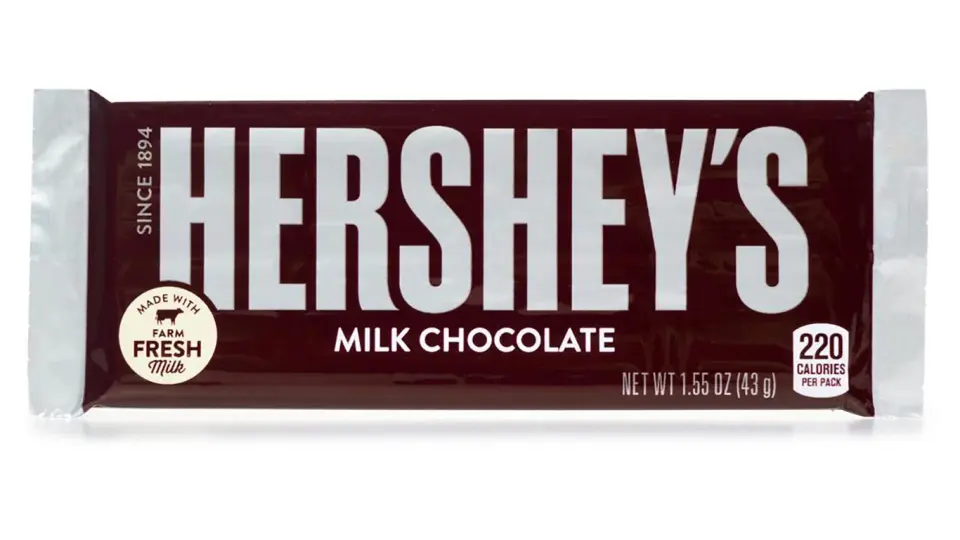
Halloween candy prices have risen 71% since 2021, with a 100-piece bag now averaging $16.96. Candy inflation at 7.7% is double the overall rate, driven by cocoa costs and tariffs. Consumers are buying smaller packs, and Hershey raised prices despite volume drops.
Key points
- A 100-piece bag of Halloween candy costs $16.96 in 2026, up 71% from $9.91 in 2021, according to FinanceBuzz.
- Candy and chewing gum prices rose 7.7% year-over-year through September, more than double the 3.7% overall inflation rate, per the Bureau of Labor Statistics.
- Hershey raised North America candy prices by about 13 points, absorbing an 11-point volume drop while expanding gross margin to 46.1% from 32.6%.
- Total Halloween spending is projected to reach $13.5 billion, matching last year's record, with $4.1 billion allocated to candy, according to the National Retail Federation.
- Cocoa prices spiked to over $10,700 per tonne in January 2025 due to climate-related supply issues, though recent price relief has not yet reached store shelves.
- Consumers are shifting to smaller candy packs, with sales of 9-ounce or smaller packs up 24% in dollar terms, while larger packages decline, according to NielsenIQ.
Background
Halloween candy prices have been rising steadily since 2021, with a 100-piece bag costing $10.49 in 2022, $11.61 in 2023, $14.06 in 2024, and $16.39 in 2025. The 2026 price of $16.96 represents a 3.5% increase from 2025, showing a slowing pace. Previous archive articles noted that record cocoa costs, fuel surcharges, and broader inflation have driven the price surge, while consumers have responded by buying smaller packs or skipping the tradition entirely. The 2026-10-30 article highlighted that while total spending remains high due to participation rates, individual households are cutting back due to affordability concerns.
How outlets are covering it
24/7 Wall St. emphasizes the 71% price increase since 2021 and Hershey's strategy of raising prices despite volume drops. The New York Times highlights the impact on individual households, with one retiree considering skipping the tradition due to high costs. BBC focuses on the broader cost-of-living pressures, noting that cocoa prices spiked to over $10,700 per tonne in January 2025 due to climate-related supply issues. CNBC highlights the timing mismatch between falling cocoa futures and high-cost inventories, noting that chocolate prices will be about 8% higher than last Halloween. All sources agree that consumers are shifting to smaller packs and value alternatives, but they differ in emphasis: 24/7 Wall St. focuses on corporate strategy, NYT on household impact, BBC on supply chain issues, and CNBC on market dynamics.
Why it matters
The 71% increase in Halloween candy prices since 2021 reflects broader inflationary pressures and supply chain disruptions, particularly in cocoa. This trend impacts household budgets and consumer behavior, with shoppers shifting to smaller packs and value alternatives. For companies like Hershey, the strategy of raising prices despite volume drops highlights the tension between maintaining margins and consumer affordability. The 7.7% year-over-year increase in candy prices, more than double the overall inflation rate, indicates that certain consumer goods are experiencing higher inflation than the general economy. This has implications for both consumers and businesses, as it affects purchasing power and corporate strategies. The shift to smaller packs and value alternatives suggests that consumers are becoming more price-sensitive, which could impact future sales and pricing strategies for candy manufacturers.
What to watch
The next Consumer Price Index report on Nov. 10, 2026, will show whether candy inflation kept cooling in October. Hershey's fourth-quarter volume will show whether shoppers keep cutting back as prices rise. Wells Fargo expects chocolate prices to be about 8% higher than last Halloween, with effective transaction prices rising roughly 5% to 8% after promotions. The 2026-27 West African cocoa crop could face pressure from a potential El Niño and dry Harmattan trade winds, which could affect future cocoa prices. Consumers are expected to continue buying candy, but shopping baskets are likely to contain fewer chocolate pieces, more value packs, and a greater share of gummies, sour products, wafers, caramel, and other lower-cocoa alternatives.
- In Biden's First Halloween In Office, A 100-Piece Bag Of Candy Cost $9.91, A Study Found. This Year It's $16.96, And Government Data Shows Candy Prices Rose 7.7% In A Year, More Than Double Overall Inflation 24/7 Wall St.
- The Scariest Part of Halloween This Year? The Candy Prices. The New York Times
- Soaring cost of Halloween treats spooks shoppers BBC
- Halloween gets pricier as chocolate costs climb — Hershey may feel the pinch CNBC
- Candy prices got you scared stiff? What to know about the cost of Halloween this year NPR
Want the full story? Read the original reporting
Read on 24/7 Wall St.