
Halloween Candy Sales Drop 6.7% as High Gas and Cocoa Costs Squeeze U.S. Households
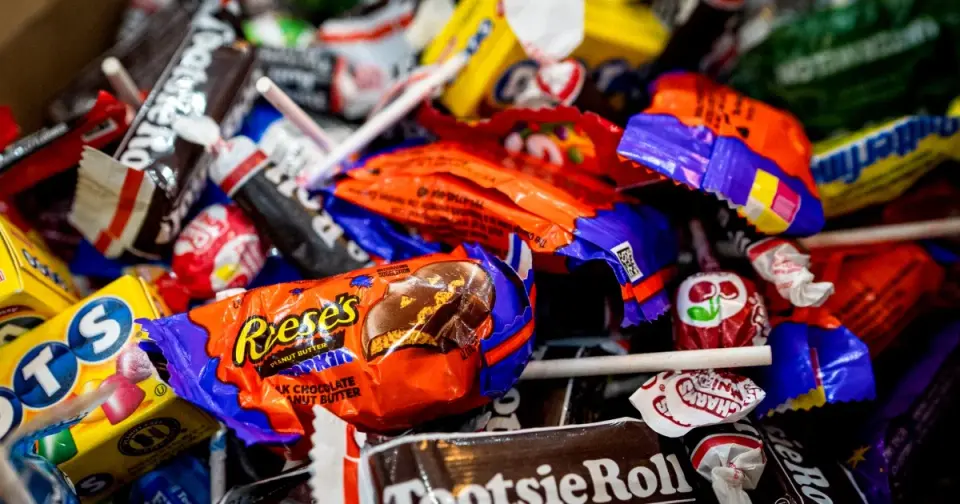
U.S. Halloween candy sales fell 6.7% in the month ending October 17, 2026, driven by high gas prices and elevated chocolate costs. Consumers are cutting back on large candy packs, while non-chocolate treats also saw declines despite lower prices. Industry experts attribute the slowdown to broader affordability concerns, though some remain optimistic for the peak holiday period.
Key points
- NielsenIQ reported a 6.7% drop in Halloween candy sales for the month ending October 17, 2026, compared to the same period last year.
- Candy and gum prices have risen 44% over the past five years, outpacing the 22.5% increase in at-home food prices.
- Global cocoa prices hit a record $10,710 per metric ton in January 2025 due to West African weather issues and speculative trading, though they have since fluctuated.
- Average U.S. gasoline prices reached $4.29 per gallon, up nearly 40% year-over-year, straining household budgets.
- Only small bags of candy saw sales growth, while large and extra-large packs experienced the steepest declines.
- Non-chocolate candy prices were 3% lower than last year, yet sales still declined, indicating broader consumer caution.
Background
Previous coverage noted that Halloween candy prices had surged 71% since 2021, with a 100-piece bag averaging $16.96. Earlier reports in October 2026 highlighted an 8.1% year-over-year price increase and projected total Halloween spending of $13.5 billion. Maryland was identified as the top per capita spender at $67.95, significantly above the national average of $49.19. These figures underscore the long-term trend of rising confectionery costs that now intersects with current affordability challenges.
Why it matters
The decline in Halloween candy sales signals a shift in consumer behavior amid persistent inflation. While some view candy as a small luxury, the broader economic strain from fuel and housing costs is forcing households to prioritize essential expenses. This trend may influence future product formulations, such as the shift toward salty snacks, and could impact the profitability of major confectionery manufacturers during a traditionally high-revenue season.
What to watch
Analysts expect continued softness in candy sales, though some predict a late surge as consumers delay purchases until closer to Halloween. The National Confectioners Association remains optimistic, citing strong consumer enthusiasm during the peak period. Future cocoa prices may be affected by El Niño weather patterns and ongoing supply disruptions from the Iran conflict, potentially keeping chocolate costs elevated through early 2027.
Want the full story? Read the original reporting
Read on NBC News