
Heating oil costs surge 70% for some US households as Iran war disrupts supply
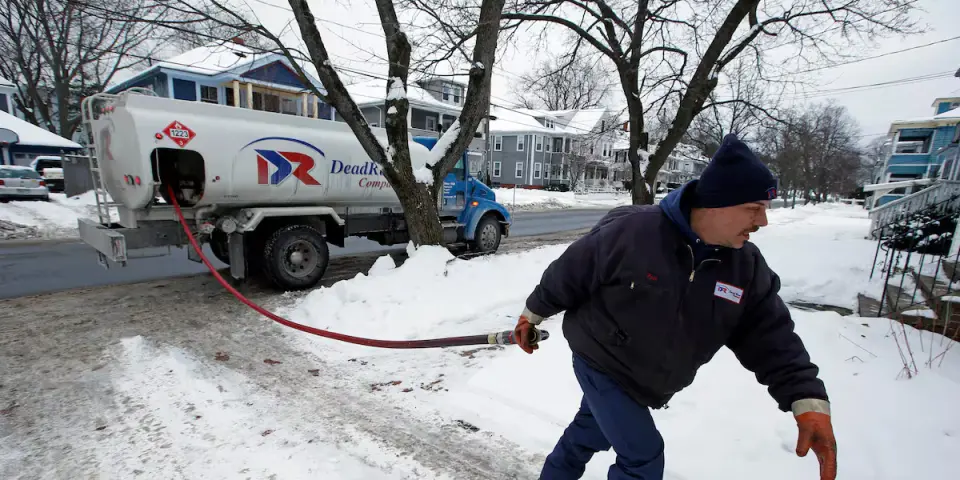
National heating costs are projected to rise by more than 7% this winter, with oil-dependent households facing increases of up to 70%. The National Energy Assistance Directors Association (Neada) attributes the spike to supply disruptions from the war with Iran. While a mild fall dampened early demand, colder weather is expected to drive prices higher, with typical oil users potentially paying around $2,977 for the season.
Key points
- Neada reports that households using heating oil, primarily in the Northeast and Alaska, face the steepest cost increases, with seasonal bills potentially jumping 70% to approximately $2,977.
- The Northeast region is expected to see average heating bills rise by 16.9%, increasing from $1,311 last winter to $1,532 this winter, driven by high electricity prices and concentrated oil usage.
- Global fuel supply disruptions, including refinery shutdowns in the Middle East and Russia, are tightening supplies and keeping prices elevated, with the Strait of Hormuz remaining volatile.
- Roughly one in six US households is behind on utility payments, collectively owing about $23 billion, exacerbating the affordability crisis for low- and middle-income families.
- Electric heating costs are projected to rise by 6% to $1,215, while propane bills are expected to increase by 5% to an average of $1,350, though oil remains the most expensive option.
Background
Heating oil prices in the Northeast hit record highs in late October 2026, exceeding $6 per gallon in New York and Maine due to the Iran conflict. The closure of the Strait of Hormuz in February 2026 triggered a severe heating crisis, forcing households to consider alternatives like firewood and prompting regional governments to reconsider natural gas infrastructure. US crude oil inventories dropped by 900,000 barrels in late October, with total petroleum inventories falling by 8.2 million barrels, despite a slight dip in crude prices. Massachusetts declared an energy emergency in early November, expanding assistance for middle-income households as low-income families reported a 30% increase in first-time applications for heating aid.
How outlets are covering it
Neada emphasizes the severe impact on low- and middle-income families, describing heating oil as a 'canary in the coalmine' for the broader affordability crisis. The organization urges Congress to provide immediate relief, noting that families are already struggling with rising costs for food and housing. In contrast, local fuel dealers in Vermont and North Carolina, such as Matt Cota and Chris Sluder, highlight that a relatively warm fall has dampened early demand, potentially easing prices slightly in the short term. Sluder notes that customers are ordering less oil at a time to manage costs, while Cota suggests that the current price drop may be due to a lull in the Iran war. Both acknowledge that colder weather will likely drive demand and prices higher, but they remain cautious about predicting exact price trajectories. The New York Times and The Guardian align with Neada’s projections, stressing the national scale of the crisis and the disproportionate burden on oil-dependent households.
Why it matters
The surge in heating costs threatens to push millions of households into debt, exacerbating the affordability crisis for low- and middle-income families. With one in six US households already behind on utility payments, the projected 7% increase in heating costs could lead to widespread financial hardship and potential utility shutoffs. The situation underscores the vulnerability of the US energy supply chain to geopolitical conflicts, particularly the war with Iran, and highlights the need for federal intervention to mitigate the impact on vulnerable populations.
What to watch
Neada is urging Congress to provide immediate relief before higher winter bills arrive, emphasizing that energy is not a luxury. As colder weather sets in, demand for heating oil is expected to increase, potentially driving prices higher. Fuel dealers are monitoring the market closely, hoping for a continued trend of price decreases, but remain cautious about the volatility of global oil supplies. Households are advised to budget for energy costs and consider alternatives like wood burning, though experts note that labor costs may offset financial savings. The situation in the Strait of Hormuz remains highly volatile, making it difficult to predict where prices will go, but Neada advises assuming that heating oil prices will remain elevated throughout the winter heating season.
- Home heating oil prices about $2.50 higher than last year, EIA says WCAX
- Heating Costs Will Rise 7% on Average This Winter The New York Times
- Average US heating bills to rise 7% this winter nationwide – report The Guardian
- North Carolina heating oil prices nearly double as winter costs climb WLOS
- Feeling the heat: As winter nears, soaring energy prices have residents bracing for bigger bills Daily Hampshire Gazette
Want the full story? Read the original reporting
Read on WCAX