The 24-foot Terra globe in Seattle will close for the year after its final viewing on Sunday, marking the end of a season where thousands gathered for performances and worship beneath the installation.
The CDC reports rising activity for four respiratory illnesses in the US, including group A strep, rhinovirus, adenovirus, and pertussis. While some trends are seasonal, others show unusual timing. North Carolina has recorded nine flu-related deaths, and Chicago-area hospitals are restricting visitors due to high case volumes.
Russia has intensified missile and drone strikes against Ukraine's power grid ahead of winter, aiming to weaken civilian resilience and leverage peace negotiations. These attacks, occurring weeks earlier than anticipated, have left Kyiv and other cities facing severe shortages of heat and water. While U.S.-led talks resumed in Abu Dhabi, Moscow presented hard-line demands, signaling a strategy to use military pressure to dictate terms for the spring.
National heating costs are projected to rise by more than 7% this winter, with oil-dependent households facing increases of up to 70%. The National Energy Assistance Directors Association (Neada) attributes the spike to supply disruptions from the war with Iran. While a mild fall dampened early demand, colder weather is expected to drive prices higher, with typical oil users potentially paying around $2,977 for the season.
Tommy Hilfiger has launched its winter 2026 campaign, featuring a diverse roster of ambassadors including Travis Kelce, Jisoo, and several athletes. The series, shot in-house by Edward Cooke, highlights individual holiday rituals rather than a single unified theme. Kelce, who married Taylor Swift in July, expressed excitement for his first Christmas as a married man, while Jisoo described her ideal holiday as sleeping until dinner time. The collection emphasizes rich textures and layering, available globally through various retail channels.
Russian forces have intensified strikes on Ukrainian energy infrastructure, targeting power plants, substations, and water systems in Kyiv and other major cities. This escalation, described as a strategy of exhaustion, aims to degrade civilian morale and quality of life ahead of winter. While US President Donald Trump announced an 'energy ceasefire' on October 11, both Moscow and Kyiv denied its existence, and Russia continued attacks on the same day. Ukrainian officials report that civilian casualties in the first eight months of 2026 have already exceeded the total for 2025, with widespread blackouts and water disruptions now affecting millions.
A bipartisan group of US senators has demanded an urgent investigation into reported speed restrictions on Starlink internet services in Ukraine, which allegedly impaired drone operations and defensive capabilities. Ukrainian officials warn that these limitations have emboldened Russia to intensify strikes on civilian infrastructure, threatening a severe winter. While SpaceX owner Elon Musk suggested the US government may be responsible for the slowdowns, the White House and Pentagon have not responded to inquiries. President Zelensky has since resumed attacks on Russian refineries and is seeking increased support from European leaders amid growing tensions with Washington.
Escalating Russian drone and missile strikes on Kyiv, combined with the prospect of a harsh winter, are prompting some residents to leave the capital. While the city has introduced new power infrastructure and shelter options, many families are relocating abroad or to rural areas to avoid potential blackouts and safety risks. A recent survey indicates a significant portion of Ukrainians are considering relocation if conditions worsen, though a mass exodus is not expected.
U.S. households face a 50% jump in heating oil costs this winter, driven by Middle East conflict and oil prices above $100 per barrel. While average heating costs rise to $1,030, LIHEAP benefits remain around $467, leaving low-income families with a shortfall of over $500. NEADA urges Congress to increase funding from $4 billion to $7 billion to address the crisis.
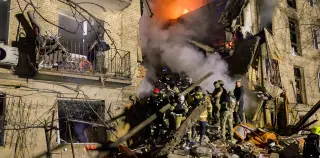
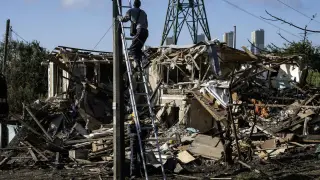
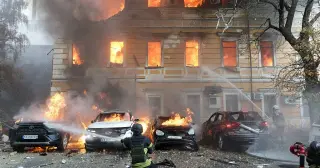
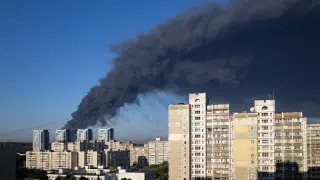
Russia executed its most significant combined strike on Ukraine’s energy infrastructure since April 2026, targeting power facilities in Kyiv and other major cities. The attack, which killed seven people and forced emergency power cuts in four regions, marks the beginning of a new winter campaign aimed at degrading Ukraine’s energy security. Ukrainian officials warn that the coming winter could be the harshest yet, while Russia claims it is retaliating for Ukrainian strikes on its own fuel and energy sites.
Russia is stockpiling advanced jet-powered drones to launch massive winter strikes on Ukraine’s energy grid, aiming to force capitulation before spring. Recent attacks have caused significant civilian casualties, but analysts note current barrage sizes are smaller than expected, indicating a deliberate accumulation strategy. Ukraine faces a critical defense gap, with interception rates for new drones dropping to 57%, while it tests new counter-drone technologies that are not yet ready for mass deployment.
Kyiv has transitioned into a frontline city, facing daily Russian attacks that now occur during daylight hours. As winter approaches, residents are preparing for severe disruptions to heating, water, and electricity. Ukraine has obtained intelligence detailing Russia's specific strike plans, while diplomatic efforts for an energy ceasefire face significant hurdles due to Russian strategic shifts.
Ukraine has obtained two detailed Russian documents outlining planned winter strikes on its energy, heating, and water infrastructure. The plans specify weapon types and quantities for each target. In response, Kyiv has built over 200 protective structures and is mobilizing international partners for rapid repair capabilities.
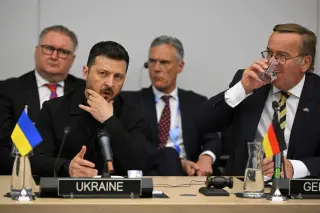
Ukraine’s defense minister Yevhen Khmara requested 300 Patriot interceptor missiles from allied stockpiles to counter Russian ballistic threats before winter. Kyiv is contracting 1,000 missiles via EU loans, but most will arrive in future years. Germany pledged immediate PAC-2 transfers, while the UK committed £100 million. A €23 billion funding gap remains, with NATO warning that delays cost lives.
Russia’s Defense Ministry announced preparations for 'massive strikes' on Ukrainian energy facilities, framing the move as retaliation for Kyiv’s attacks on Russian infrastructure. This warning follows a deadly strike on a warehouse near Kyiv that killed 38 people, marking the deadliest Russian attack of 2026. Simultaneously, President Putin signed a decree allowing the state to seize control of private companies failing to protect critical infrastructure from drone attacks. Ukraine faces a severe winter due to air-defense shortages, while Moscow struggles with fuel deficits caused by Ukrainian drone campaigns.