
Housing Crisis Deepens as Rates Spike and Midterm Votes Loom
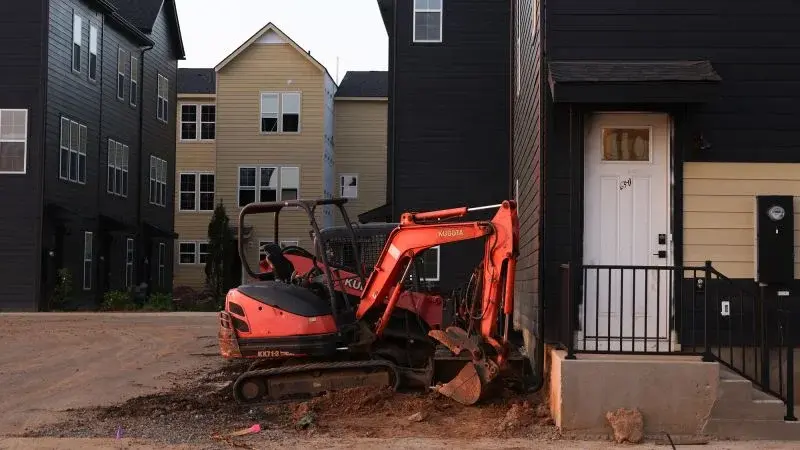
The US housing market faces severe strain ahead of the November 3 midterms, with mortgage rates hitting a three-year high of 7.4% and home sales near 30-year lows. While the Trump administration has issued executive orders to lower costs, rising rates and high prices have stalled affordability. Local elections in California, Los Angeles, and Washington, DC, are now pivotal battlegrounds for housing policy, as federal leverage remains limited by state zoning laws.
Key points
- Mortgage rates surged to 7.4% in October, with the 30-year fixed rate at 7.24%, driven by inflation fears and the Iran conflict.
- Pending home sales hit a record low in September, and builder sentiment fell to a 14-year low, reflecting widespread market paralysis.
- The average income required to afford housing rose to $115,600, a 75% increase from five years ago, according to Oxford Economics.
- Trump’s Oct. 22 executive order aims to reduce refinancing costs and mortgage insurance burdens, though critics note it lacks legislative backing.
- State and local races in California, LA, and DC are central to the election, with candidates proposing varied solutions from zoning reform to rent control.
Background
Housing affordability has been a persistent issue since the 2008 financial crisis, with homebuilding failing to meet demand. The current crisis is exacerbated by high mortgage rates and rising home prices. The Trump administration’s housing agenda, largely driven by executive orders, has faced criticism for lacking legislative support, except for the bipartisan ROAD to Housing Act passed in July 2026. Local and state governments retain primary control over zoning and permitting, limiting federal impact on supply.
How outlets are covering it
CNN emphasizes the national housing crisis and the limited effectiveness of Trump’s executive orders, noting that mortgage rates have rebounded due to macroeconomic factors. Seeking Alpha focuses on market implications, suggesting that the ROAD to Housing Act’s restrictions on institutional purchases may benefit homebuilders like D.R. Horton and PulteGroup. Yahoo highlights the critical role of state and local elections, detailing specific housing agendas of candidates in California, Los Angeles, and Washington, DC. National Mortgage Professional details the technical aspects of the Oct. 22 executive order, focusing on refinancing costs and mortgage insurance, while noting industry reactions to potential cost reductions.
Why it matters
The housing market’s stability is crucial for the broader economy and voter sentiment. High mortgage rates and unaffordable home prices are driving voter frustration, potentially influencing midterm outcomes. Local and state elections will determine the direction of housing policy, as federal power is limited by zoning and permitting decisions. The outcome of these elections could shape the future of housing affordability and construction in key markets.
What to watch
The November 3 midterms will determine the balance of power in Congress, potentially affecting housing legislation and oversight of Fannie Mae and Freddie Mac. The implementation of the ROAD to Housing Act and the Oct. 22 executive order will continue, with Treasury rules on institutional investor restrictions taking effect in January 2027. Local and state housing policies will evolve based on election results, with candidates in California, LA, and DC proposing specific measures to address affordability and construction.
- Here’s where Trump’s housing agenda stands before midterms CNN
- Housing Issues Are on the Ballot. Here’s What to Know. The New York Times
- How To Trade The Midterms: The Housing Trap Wall Street Isn't Seeing (NYSE:KBH) Seeking Alpha
- These State and Local Elections Will Hinge on Housing Policy—What Voters Need To Know Yahoo
- Midterms Loom With Mortgage Policy Changes Already In Motion National Mortgage Professional
Want the full story? Read the original reporting
Read on CNN