
Inflation and travel costs push holiday shoppers toward physical gifts
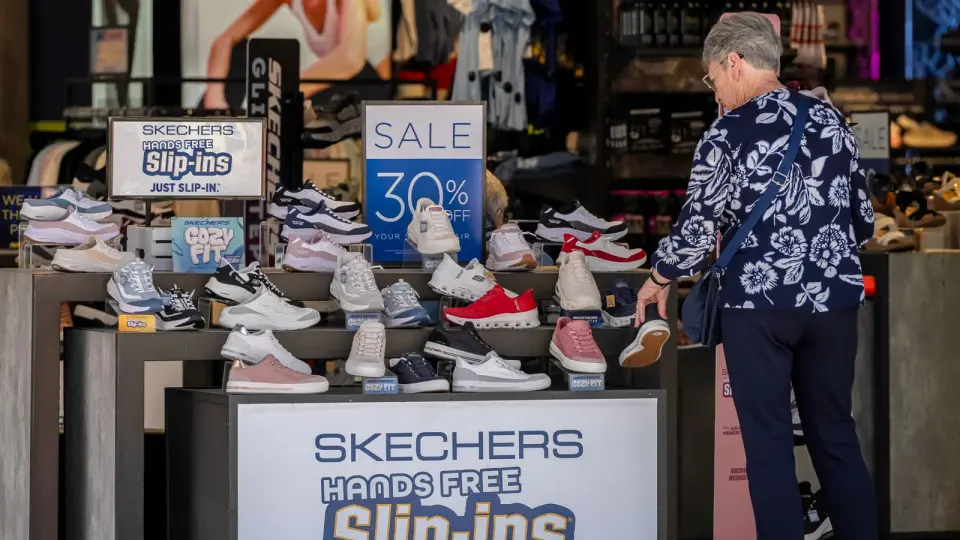
U.S. consumers are prioritizing physical gifts over travel experiences this holiday season due to rising airfares and inflation. While wish lists favor experiences, spending is shifting to merchandise, with projected retail sales rising 4.5% year-over-year, though real growth is modest at 1.1%.
Key points
- Visa forecasts U.S. holiday retail sales to rise 4.5% year-over-year, the strongest growth since 2021, though inflation-adjusted spending is expected to increase only 1.1%.
- Over half of surveyed consumers list travel and live events as top wishes, but only 15% prioritize spending on experiences, compared to 27% favoring physical gifts.
- Average planned spending on holiday gifts is $777, up 5.6% from 2025, driven largely by higher prices rather than increased volume.
- Households earning over $200,000 are the only group increasing travel spending, with airfare bookings up 29%, while lower-income groups cut back on travel.
- Bank of America reports that only 38% of consumers plan to shop early, down from 52% in 2025, indicating a shift toward later, more deliberate purchasing.
Background
Previous holiday gift guides from October 2026 emphasized value and practical technology, reflecting a market where affordability is a key driver. This aligns with current trends where consumers are balancing aspirations with economic reality.
How outlets are covering it
Visa and CNBC emphasize that the gap between wish lists and actual spending is driven by high travel costs and inflation, with Michael Brown noting that consumers are balancing aspirations with economic realities. Circana highlights a disconnect between economic sentiment and behavior, noting that 57% rate the economy as fair or poor, yet most remain committed to holiday traditions through value-conscious strategies like buying store brands. Bank of America focuses on the timing of purchases, noting a decline in early shopping and a rise in credit card usage among higher-income consumers, while younger shoppers prefer debit. Yahoo Finance reiterates Visa’s forecast, stressing that income growth supports spending despite inflation, and that physical gifts are winning a greater share of budgets.
Why it matters
The shift toward physical gifts and value-conscious spending indicates that retailers may benefit from increased merchandise sales as travel costs deter experience-based spending. However, the modest real growth in spending suggests that consumer resilience is tempered by inflationary pressures, requiring businesses to focus on value propositions to maintain market share.
What to watch
Retailers are expected to see a boost in physical gift sales as consumers prioritize tangible items over experiences. However, the reliance on inflation to drive nominal sales growth suggests that real consumer spending power remains constrained, potentially leading to continued value-seeking behavior through the holiday season.
- Consumers are spending on physical gifts even as travel tops wish lists, Visa survey finds CNBC
- Economic Confidence Slips Ahead of the Holidays, but Consumers Remain Determined to Celebrate, Circana Finds Circana
- Survey: 65% Plan to Reduce Spending on Necessities to Afford Gifts | Credit Cards U.S. News - Money
- Bank of America finds late shopping will surpass early holiday shopping ATM Marketplace
- Visa Forecasts U.S. Holiday Spending to Rise 4.5% as Consumers Keep the Holidays a Priority Yahoo Finance
Want the full story? Read the original reporting
Read on CNBC