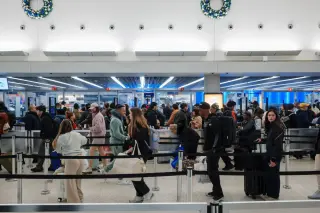
US holiday travel is underway with record air traffic but mixed road travel due to high costs and severe weather. Airports face long lines and delays from storms and lingering tech fears, while some travelers opt for 'Friendsgiving' to save money.
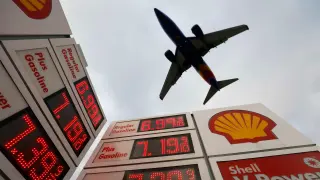
Raleigh-Durham International Airport (RDU) is experiencing early disruptions ahead of the Thanksgiving holiday, with seven cancellations and 14 delays recorded as of Monday morning. These issues stem from lingering effects of a nationwide FAA ground stop on November 13 and a subsequent Delta Air Lines system failure on November 22. While officials expect operations to normalize, travelers face heightened anxiety and rising costs, with domestic airfares up 17% and gas prices 18% higher than last year. Many are shifting to driving or rail, though AAA reports overall travel volume is down slightly by 0.1%.
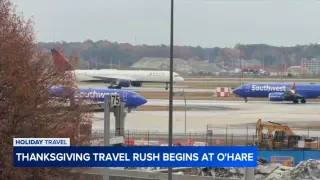
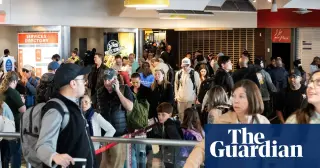
A brief staffing shortage at Chicago’s O'Hare Airport triggered a ground stop on Monday, adding to a week of aviation disruptions. While the hold was lifted by noon, travelers face rising costs and anxiety following recent nationwide outages. AAA projects 81.5 million Americans will travel this holiday, with nearly 90% driving due to higher airfares and gas prices.
U.S. consumers are prioritizing physical gifts over travel experiences this holiday season due to rising airfares and inflation. While wish lists favor experiences, spending is shifting to merchandise, with projected retail sales rising 4.5% year-over-year, though real growth is modest at 1.1%.
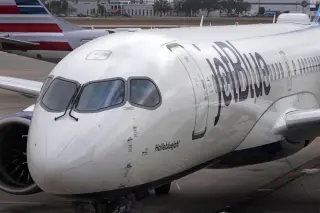
JetBlue has raised checked baggage fees for the second time this year, effective for tickets purchased on or after November 3, 2026. The first checked bag now costs at least $50 each way for economy passengers on domestic and international routes, rising to $55 during peak travel periods if paid 24 hours in advance. Late payments during peak periods cost up to $70. The airline cites rising fuel and operating costs, driven by the ongoing Iran conflict and restricted oil shipments through the Strait of Hormuz, as the primary reason for the increase. JetBlue aims to keep base fares competitive while shifting revenue to ancillary services. Second bag fees also increased, starting at $70 off-peak and $75 peak. Some loyalty program members and credit card holders can still check bags for free.
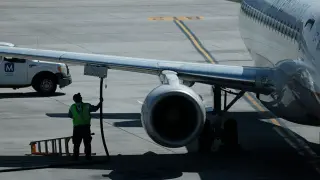
U.S. holiday airfares have reached a 10-year high, driven by jet fuel prices nearing record levels at $4.75 per gallon. While airlines pass these costs to consumers, strong demand and reduced cheap flight options suggest fares will remain elevated through 2027.
Airline profits are shrinking despite soaring fares due to persistent jet fuel costs driven by the Iran conflict and Strait of Hormuz disruptions. While U.S. carriers report double-digit revenue growth, analysts expect lower profit margins as airlines cut capacity and raise prices to cover expenses. Holiday fares have surged significantly, with Thanksgiving tickets up 31% year-over-year, while overall passenger volume remains slightly down but demand stays strong.
U.S. hobby spending surged 7.9% in August 2026, outpacing overall retail growth. Consumers are substituting expensive travel and dining with cheaper home-based activities like arts, crafts, and gaming, driven by soaring fuel prices and airfares.
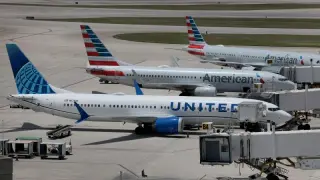
US airlines are reducing capacity for the rest of 2026 to manage soaring jet fuel costs. Executives from United, American, and Southwest indicated they will eliminate less profitable, low-fare routes. While demand remains strong, the exit of budget carrier Spirit and rising fuel prices are squeezing options for bargain hunters.
The Athletic’s deep dive explains that the United States’ pay-to-play youth-soccer model creates access barriers, concentrates talent among families who can afford high travel and club fees, and leaves a fragmented system even as MLS academies offer free routes; despite some progress toward a more unified development pathway, costs remain a major hurdle that could affect the U.S. national team’s competitiveness ahead of the 2030 World Cup.
Fans traveling to the 2026 World Cup in the US, Canada and Mexico report eye-watering costs—from hundreds of dollars per ticket to thousands for flights, hotels and transport—yet many say the once-in-a-lifetime experience justifies the price.
Rising fuel prices tied to the Iran conflict have pushed Florida vacation costs higher, slowing cruise bookings from Port Canaveral and pressuring budget travelers, as Spirit Airlines’ shutdown removes a key cheap-flights option; luxury travel remains strong but the state’s tourism engine could slow if prices stay elevated, though Visit Florida and industry groups emphasize Florida’s continued appeal and resilience.
Rising oil prices and Spirit Airlines’ sudden shutdown are pushing ticket costs higher and limiting summer travel options, forcing travelers to rebook at premium prices or switch to trains/buses, while demand for vacations remains strong and budget routes shrink due to reduced competition.
Rising costs, including gas, lodging, and food, have increased travel expenses by 20% since 2019, leading Americans to cut back on trips, favor domestic and road trips, and seek more affordable options due to reduced discretionary income caused by inflation.
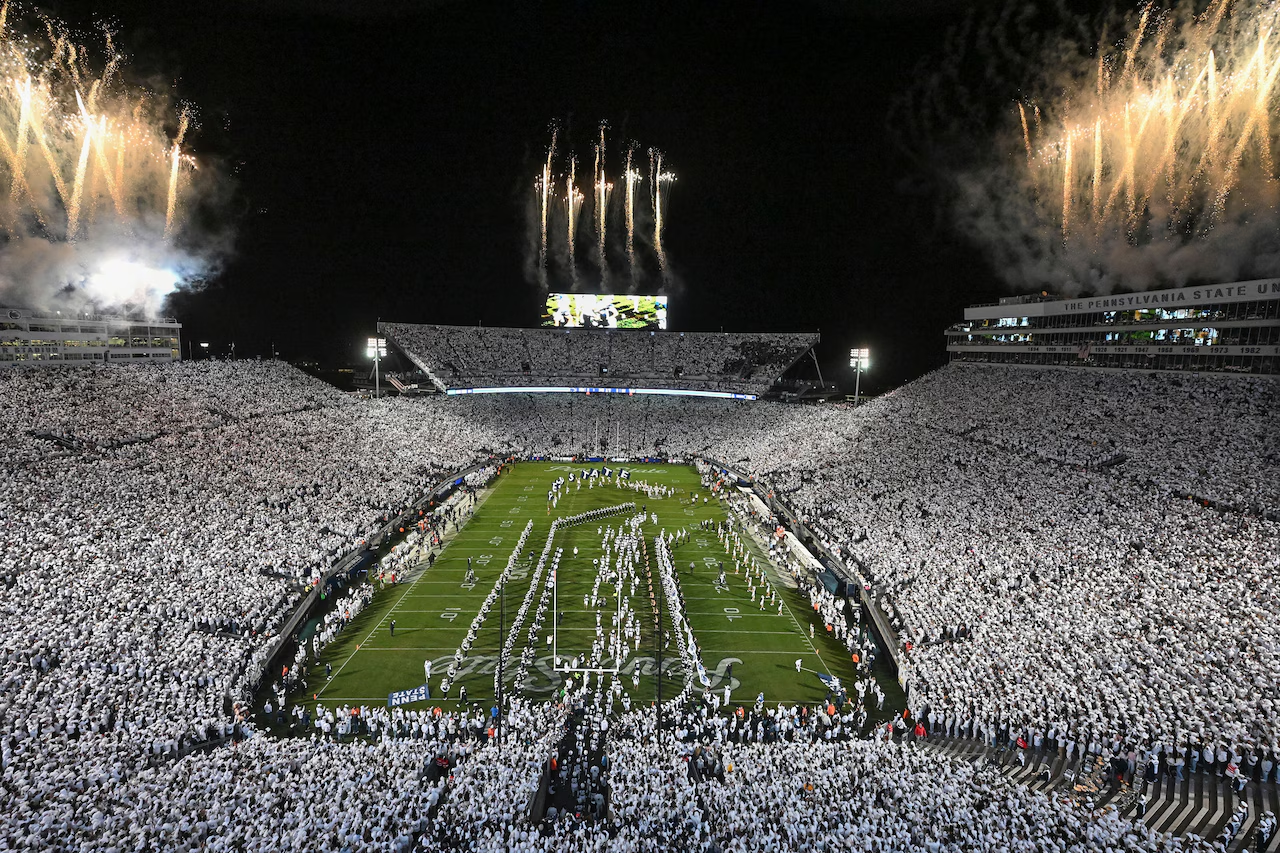
Oregon football fans are traveling extensive distances, incurring high costs and logistical challenges, to attend the big game at Penn State, reflecting the increased travel demands and expenses since Oregon joined the Big Ten conference.