
Inflation Drives US Consumers to 2021-Level Bargain Hunting, Led by Millennials
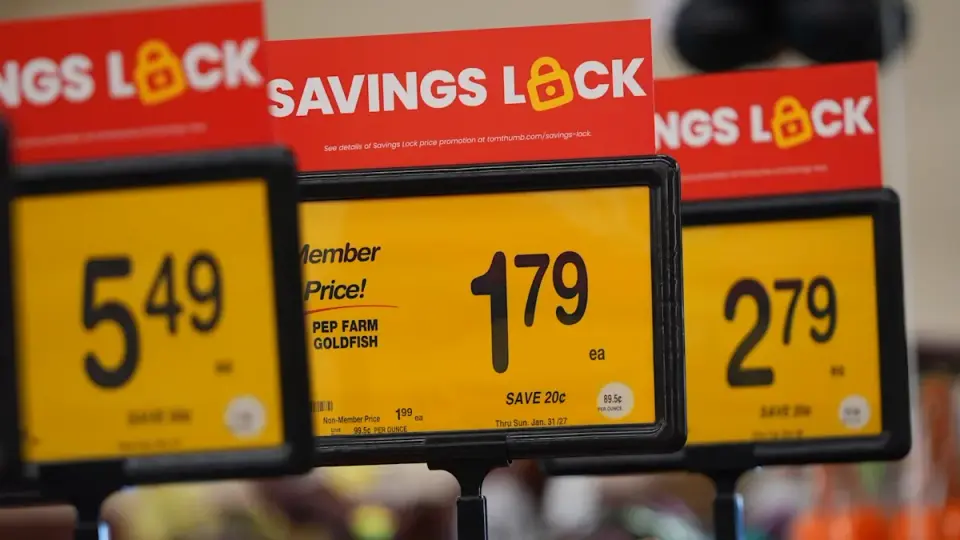
US consumers are shifting to cheaper brands and retailers at the highest rates since the 2021 pandemic peak, driven by persistent inflation in food, rent, and medical care. This trend is most pronounced among Millennials, who are trading down in grocery and apparel spending to manage high housing and childcare costs. While the Federal Reserve is expected to raise interest rates due to recent inflation data, consumer behavior indicates a deepening focus on value across multiple demographics.
Key points
- Bank of America Institute data shows consumer spending on value-tier merchants has reached levels not seen since 2021.
- Millennials are leading the shift toward value-oriented shopping, particularly in groceries and apparel, due to high costs for housing, auto loans, and childcare.
- Consumers are delaying discretionary purchases, such as apparel, and opting for fast food over sit-down dining to manage budgets.
- The Federal Reserve is likely to raise interest rates at its next meeting, with some investors expecting a 50 basis point hike due to strong pricing pressures in essentials.
- Travel spending shows a different pattern, with some lower-income households skipping trips entirely rather than shifting to cheaper options, which may skew average spending metrics.
Background
This trend follows a period of rising costs for specific goods, such as Halloween candy, which saw prices surge 71% since 2021, prompting consumers to buy smaller packs. The current shift to value-tier spending reflects a broader response to sustained inflation in essential categories like food and housing, which has outpaced wage growth in some sectors.
How outlets are covering it
Both Yahoo Finance and WWD cite the Bank of America Institute’s analysis, confirming the rise in value-tier spending. Yahoo Finance emphasizes the macroeconomic context, linking consumer behavior to the Federal Reserve’s likely interest rate hike and hawkish stance for 2027. WWD provides a more granular breakdown of consumer behavior by category, noting that while apparel and dining show clear trade-down trends, travel spending is diverging, with some households opting out entirely. WWD also highlights the role of tariffs in driving apparel inflation, a factor less emphasized in the Yahoo Finance report.
Why it matters
The shift to value-tier spending signals a potential slowdown in consumer demand for premium goods, which could impact retail and hospitality sectors. If this trend persists, it may indicate deeper economic stress among households, particularly Millennials, who are balancing high fixed costs with rising prices for essentials. The Federal Reserve’s response to inflation will further influence consumer confidence and spending patterns in the coming months.
What to watch
Investors and economists will watch the Federal Reserve’s next policy meeting for interest rate decisions, which could further impact consumer spending. Retailers may see continued pressure to offer discounts and value-oriented products, while travel companies may face challenges as lower-income households skip trips. The effectiveness of trading down in insulating consumers from inflation will depend on the availability of lower-cost alternatives across categories.
- Consumers are turning to cheaper brands like it's 2021 as inflation pinches Yahoo Finance
- Can consumers escape inflation? Bank of America Institute
- US Consumers Double Down on Bargain Hunting as Inflation Bites WWD
Want the full story? Read the original reporting
Read on Yahoo Finance