
Iran War Drives U.S. Gas to $4.50, Inflation to 3.4% Ahead of Midterms
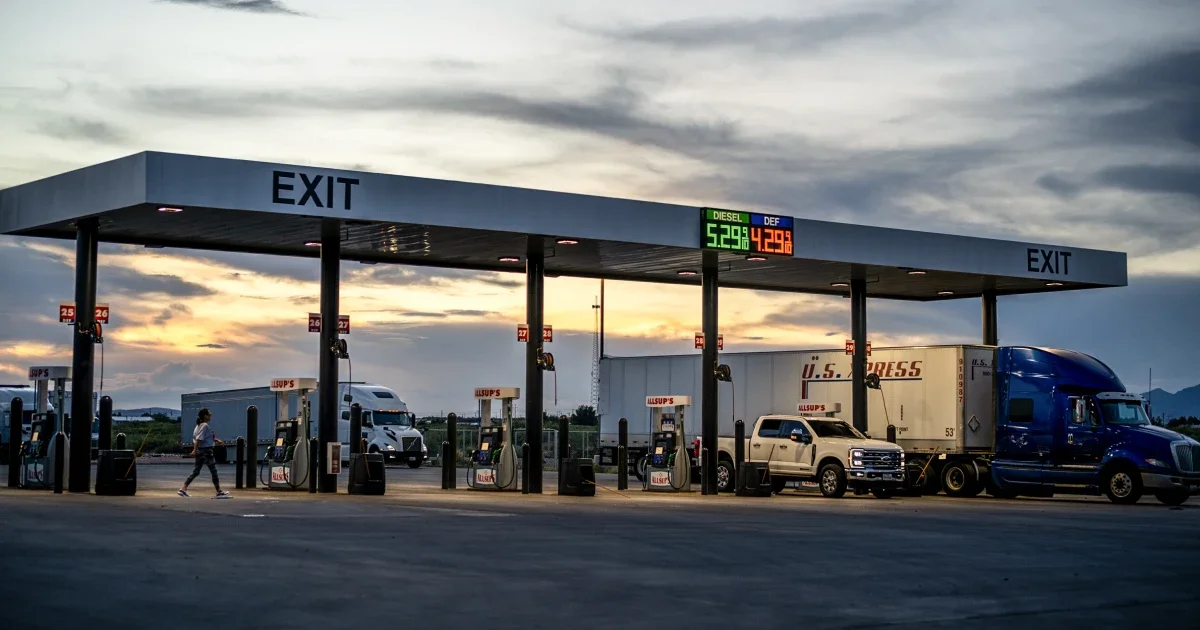
The U.S.-Israel conflict with Iran, initiated in late February 2026, has fundamentally altered the American economic landscape. While the war was initially described by President Trump as a 'short-term excursion,' it has now entered its seventh month with no clear exit strategy. Key indicators have deteriorated significantly: average gasoline prices have surged from under $3 to approximately $4.50 per gallon, and diesel has hit an all-time high of $6.52. Consequently, the Consumer Price Index has risen from 2.4% to 3.4%, prompting the Federal Reserve to raise interest rates for the first time since 2023. The 10-year Treasury yield has climbed from 3.96% to nearly 5%, pushing average 30-year mortgage rates above 7%. Although median household income reached a record high in 2025 and poverty rates fell, consumer sentiment has plummeted to near all-time lows. This economic strain is overshadowing positive data and complicating the White House’s efforts to retain control of Congress in the upcoming November midterms.
Key points
- Gasoline prices rose from under $3 to $4.50 per gallon, while diesel hit a record $6.52.
- Inflation (CPI) increased by one percentage point, from 2.4% to 3.4%, since the war began.
- The Federal Reserve raised interest rates in September, the first hike since 2023.
- The 10-year Treasury yield climbed from 3.96% to nearly 5%, driving mortgage rates above 7%.
- Consumer sentiment surveys from the University of Michigan and Conference Board are at or near all-time lows.
- Approval ratings for Trump’s economic management dropped from 35% in March to 26% in September.
Background
The conflict began on February 28, 2026, when the U.S. and Israel launched strikes on Iran. Prior to this, the U.S. economy was experiencing lower inflation and declining interest rates. Recent developments include a UN fact-finding mission alleging possible U.S. war crimes, which Washington rejected, and ongoing diplomatic efforts involving Gulf states. Experts have noted that the war has created a strategic stalemate, with Iran leveraging the Strait of Hormuz to influence global shipping and energy costs. The current economic fallout is part of a broader global energy crisis, with the IMF warning that many nations are struggling to manage fiscal impacts from fuel subsidies.
How outlets are covering it
NBC News emphasizes the domestic impact on the U.S. economy, highlighting the disconnect between positive macroeconomic indicators like record household income and the negative sentiment driven by high energy costs and mortgage rates. They note that the White House defends its long-term agenda despite short-term disruptions. Axios broadens the scope to a global perspective, noting that the Iran war is causing fuel price spikes worldwide, leading to protests and fiscal strain in developing nations like Kenya and Pakistan. Axios points out that while the U.S. has not capped retail prices, many other nations have implemented subsidies or demand reduction measures. Both sources agree that the lack of a clear exit strategy is prolonging economic pain, but Axios stresses the international ripple effects, while NBC focuses on the political implications for the U.S. midterm elections.
Why it matters
The sustained rise in energy prices and inflation is eroding consumer purchasing power and increasing borrowing costs, which could dampen economic growth. The Federal Reserve’s decision to raise rates signals a shift toward tightening monetary policy to combat persistent inflation. Politically, the economic strain is a central issue in the November midterm elections, with Democrats leveraging affordability concerns to challenge Republican incumbents. The lack of a resolution to the Iran conflict creates uncertainty for markets and consumers, potentially leading to further economic instability if the conflict continues to drag on.
What to watch
The Federal Reserve may continue to adjust interest rates based on inflation trends. The U.S. government is expected to continue seeking a diplomatic resolution to the Iran conflict, potentially after the November midterms, as suggested by President Trump. Consumer sentiment and spending patterns will be closely monitored to gauge the impact of high prices on the broader economy. International efforts to manage fuel costs and reduce demand may continue, with the IMF and other bodies monitoring fiscal sustainability. The outcome of the midterm elections could influence the U.S. approach to the conflict and its economic policies.
- The U.S. economy before and after the Iran war, in five charts NBC News
- Fuel Price Surge Sparked by Iran War Echoes 2022 Spike, But Economic Impact Could Last Longer Investopedia
- As U.S. Fuel Prices Surge, Iran’s Gas Costs 17 Cents A Gallon? Here’s Why. Forbes
- Iran war causes global pain at the pump Axios
- The Human Cost of an Oil-Focused War Bloomberg.com
Want the full story? Read the original reporting
Read on NBC News