
U.S. Labor Market Paradox: Job Losses Mask a Shrinking Workforce
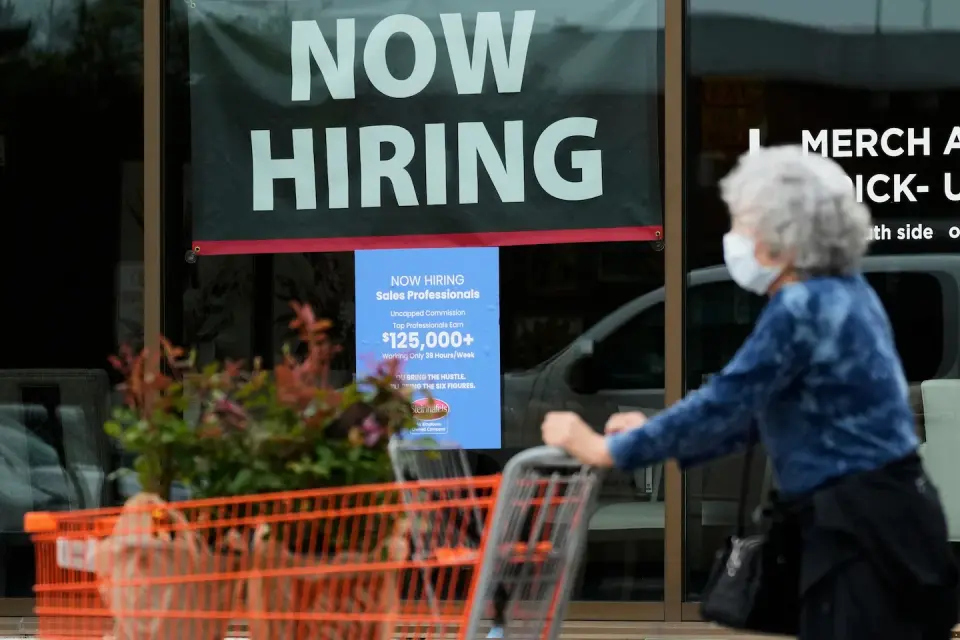
The U.S. economy lost 23,000 jobs in July, yet the unemployment rate fell to 4.1% as the labor force participation rate dropped to a five-year low of 61.4%. This divergence indicates that fewer people are seeking work rather than more being hired, driven by retirements, immigration policy, and discouraged job seekers.
Key points
- July job losses of 23,000 coincided with a drop in the unemployment rate to 4.1%, a trend economists attribute to a shrinking labor force rather than improved hiring.
- Labor force participation fell to 61.4%, the lowest level since February 2021, with approximately 264,000 people leaving the workforce in July alone.
- The U.S. workforce has lost over 2.1 million people since November, driven by retirements, lower immigration, and workers giving up on job searches due to mental health stress and competition.
- Prime-age participation (ages 25-54) saw its largest one-month drop since 1976 in June, with roughly 720,000 people exiting the labor market between May and June.
- Long-term unemployment remains elevated, with over 1.9 million Americans jobless for more than six months, while some workers return to school or leave the U.S. due to visa and economic pressures.
Background
This trend follows a sharp decline in June, when participation hit a 50-year low outside the pandemic era. Earlier reports noted that while unemployment fell to 4.2% in June, the labor force shrank by 720,000, signaling underlying weakness. Analysts have debated causes, including caregiving, burnout, and return-to-office mandates, but the July data confirms a sustained exodus from the workforce.
How outlets are covering it
The Washington Post emphasizes the statistical anomaly of falling unemployment alongside job losses, highlighting the decline in prime-age participation as a warning sign. NBC News focuses on the scale of the workforce shrinkage, noting the loss of 2.1 million people since November and attributing it to retirements and immigration policy. CNBC provides a human-centric view, detailing how mental health, visa restrictions, and fierce competition are driving workers like Dan Coda and Haina to pause job searches or return to school. While all sources agree on the shrinking labor force, they differ on primary drivers: The Post and NBC highlight structural and policy factors, whereas CNBC emphasizes individual psychological and economic barriers.
Why it matters
A shrinking labor force can slow economic growth, worsen labor shortages, and impact long-term retirement savings. The divergence between job losses and falling unemployment may mislead policymakers and investors about the true health of the economy, potentially affecting Federal Reserve decisions on interest rates and inflation expectations.
What to watch
Economists expect official participation numbers to be revised downward in coming months as data is refined. The Federal Reserve is likely to maintain its current stance on interest rates, wary of interpreting the falling unemployment rate as a sign of a robust labor market. Continued monitoring of prime-age participation and long-term unemployment will be critical to assessing the true state of the U.S. economy.
- Unemployment improved, because thousands of workers disappeared. Where did they go? The Washington Post
- Why the U.S. labor market is hemorrhaging workers NBC News
- A Labor-Market Combo ‘We’ve Never Seen Before’ WSJ
- The size of the American workforce has fallen by over 1 million people in the past year. Here’s what’s going on. MarketWatch
- Why people are dropping out of the workforce and not looking for new jobs: 'The market wore me down' CNBC
Want the full story? Read the original reporting
Read on The Washington Post