
Maryland enacts first state ban on dynamic grocery pricing
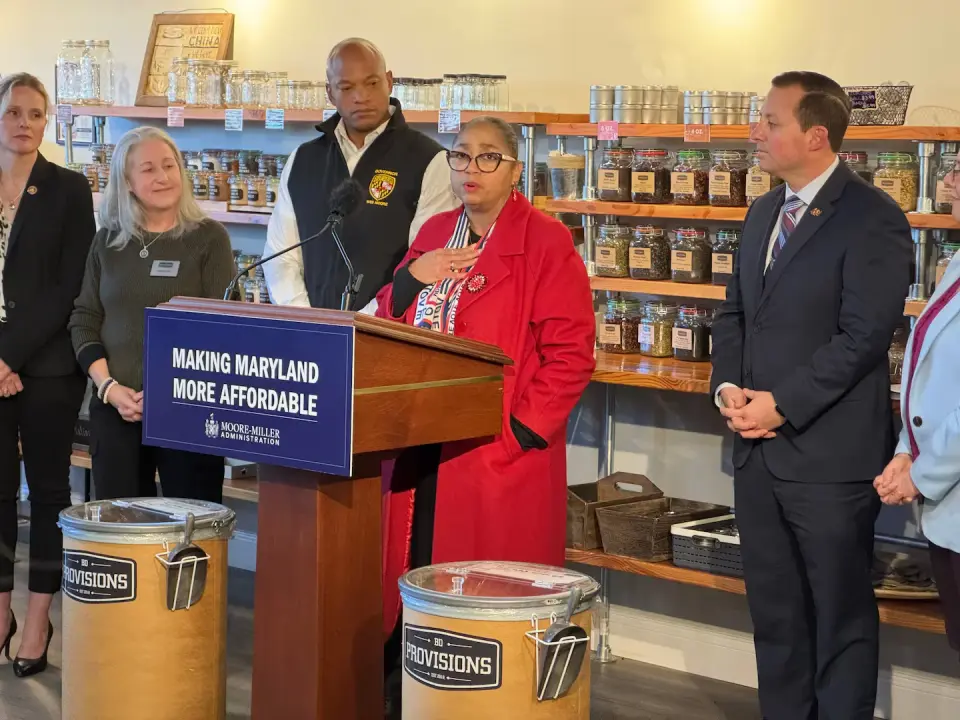
Maryland became the first U.S. state to ban dynamic pricing in grocery stores, requiring fixed prices for at least 24 hours and prohibiting the use of surveillance data to adjust costs. The law, which took effect on October 1, 2026, also mandates that businesses selling essential goods accept cash. Violations carry fines up to $25,000 for repeat offenses, aiming to protect households from unpredictable price spikes during a period of rising inflation.
Key points
- Maryland is the first state to prohibit grocery stores from using electronic tools to change food prices throughout the day.
- The law requires prices to remain fixed for at least one business day and bans the use of surveillance data in automated pricing systems.
- A companion law requires businesses selling essential goods, such as food and fuel, to accept cash payments.
- Violations of the dynamic pricing ban can result in fines of up to $10,000 for a first offense and $25,000 for subsequent offenses.
- The measure applies to food retailers and third-party delivery service providers, not just physical stores.
Background
This legislation follows a broader national trend of restricting algorithmic pricing. In September 2026, Seattle became the first U.S. city to ban personalized grocery pricing, prohibiting large chains from using personal data to set individual prices. Earlier in the year, unions warned that the widespread adoption of electronic shelf labels could enable rapid price changes and reduce jobs. Maryland’s new law builds on the state’s 2024 Online Data Privacy Act, which addressed data surveillance and retail pricing.
How outlets are covering it
The Washington Post and CBS News emphasize the consumer protection aspect, highlighting how dynamic pricing can lead to unpredictable spikes in grocery costs for households already struggling with inflation. CBS News notes that the law specifically targets surveillance data-driven pricing to prevent surge pricing strategies. WBOC TV highlights the human impact, featuring a single mother who supports the ban to keep her grocery bill affordable, and a local market owner who opposes using personal data for pricing. The South Florida Reporter focuses on the cash payment aspect, noting that Maryland joins nine other states, including New York and Massachusetts, in requiring businesses to accept cash for essential goods. While all sources agree on the ban’s intent, they differ in emphasis: The Post and CBS focus on the pricing mechanism, WBOC focuses on local sentiment, and the South Florida Reporter contextualizes the cash requirement within a national trend.
Why it matters
This law sets a precedent for other states and cities considering similar measures. By banning dynamic pricing, Maryland aims to ensure that the price consumers see on the shelf is the price they pay at the register, reducing the financial burden on working families. The cash requirement also ensures that consumers without access to digital payment methods can still purchase essential goods, promoting financial inclusion and accessibility.
What to watch
The law is now in effect, and enforcement will be handled under the Maryland Consumer Protection Act. Businesses will have two opportunities to comply before facing fines. Other states and cities may consider similar legislation in response to Maryland’s lead, potentially leading to a broader national movement against dynamic pricing in grocery stores.
- Maryland becomes first state to ban dynamic pricing in grocery stores The Washington Post
- This State Just Made A Major Grocery Price Change To Save Shoppers Money Yahoo
- Two new Maryland laws take effect, targeting grocery pricing and protecting cash payments WBOC TV
- New Maryland law aims to prevent instant grocery price changes in stores CBS News
- Are Businesses Required to Accept Cash? In These 10 States, It’s the Law South Florida Reporter
Want the full story? Read the original reporting
Read on The Washington Post