
IEA clarifies G7 diesel pledge draws from existing March stockpiles, not new reserves
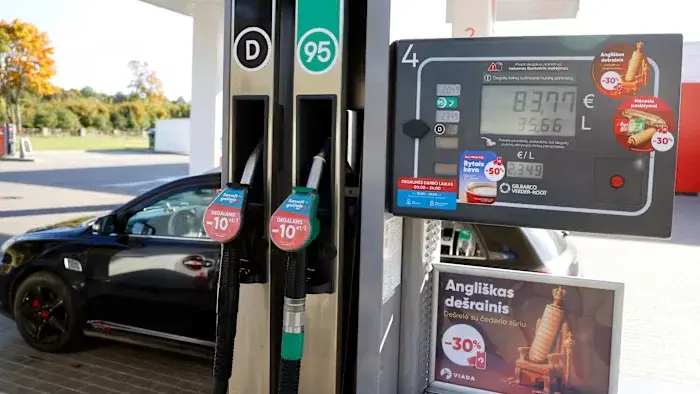
European diesel futures spiked 8% to $1,435.25 a tonne after the International Energy Agency (IEA) confirmed that the G7’s recent 100 million barrel release commitment will be fulfilled using unspent portions of the March 2026 stockpile agreement, rather than new draws from strategic reserves. The agency stated that 325 million barrels have already been released, leaving approximately 100 million barrels to complete the original pledge. While members agreed to accelerate releases and prioritize diesel, European diplomats indicated reluctance to tap additional reserves due to energy security concerns.
Key points
- The IEA announced that the 100 million barrels promised by the G7 will come from the 400 million barrel stock release agreed in March, not from additional reserves.
- European diesel futures rose as much as 8% to $1,435.25 a tonne before settling at $1,389.50, up 4.5% on the day.
- IEA members agreed to speed up planned releases and prioritize diesel given current market tightness, but no new volumes were added to the commitment.
- About 325 million barrels have already been released under the March mechanism, with some countries, including Japan, releasing more than their initial quotas.
- The US is set to release its remaining 40 million barrels from strategic reserves, while European countries like France and Germany are reluctant to release additional volumes.
Background
This development follows a series of supply disruptions in 2026, including the US-Iran conflict, Ukrainian strikes on Russian refineries, and Houthi attacks on Saudi infrastructure. In September, Europe faced a deepening fuel crunch with jet-fuel shortages and record-high diesel prices, with US households facing an extra $350 in costs. On October 2, the G7 agreed to the 100 million barrel release after US threats to ban diesel exports, aiming to stabilize markets amid these geopolitical tensions.
How outlets are covering it
The Financial Times emphasizes the market reaction, noting the sharp spike in European diesel futures and the reluctance of European diplomats to release higher volumes than previously agreed. CNBC highlights the broader geopolitical context, pointing out that crude prices fell despite the IEA decision due to concerns over Houthi attacks on Saudi Arabia and Iran-backed strikes, suggesting oil remains caught between improving physical supply and persistent geopolitical risk. POLITICO.eu focuses on the political dynamics, reporting that EU countries will only release fresh stocks after a clearer IEA assessment of security-of-supply risks, and noting that France and Germany signaled they would release no or minimal supplies beyond the March pledge. The sources agree on the IEA’s position but differ in emphasis: FT on market volatility, CNBC on geopolitical risks, and POLITICO on EU political reluctance.
Why it matters
The IEA’s clarification that the G7’s 100 million barrel release is not a new stock draw but a completion of the March agreement may limit the immediate impact on diesel prices, potentially leaving markets vulnerable to further spikes. The reluctance of European countries to release additional reserves due to energy security concerns could exacerbate supply tightness, especially as winter approaches and geopolitical tensions in the Middle East and Europe persist. This decision may also influence future IEA actions and G7 coordination on energy policy, with implications for global fuel prices and economic stability.
What to watch
The IEA’s governing board will discuss the breakdown of the G7 release at a meeting next week. Market participants will monitor whether the accelerated release of the remaining 100 million barrels, particularly diesel, is sufficient to stabilize prices. Geopolitical developments, including Houthi attacks on Saudi Arabia and Iran’s actions in the Strait of Hormuz, will also influence oil and diesel prices in the coming weeks.
- Diesel price jumps after IEA says no additional fuel will be released Financial Times
- Oil prices fall as IEA members agree to prioritize release of diesel stocks CNBC
- IEA to accelerate oil reserve release, says 100 million barrels still to come Reuters
- Chevron CEO warned Trump that a diesel export ban would worsen supply Quartz
- EU countries will release fresh oil stocks only after top agency assessment POLITICO.eu
Want the full story? Read the original reporting
Read on Financial Times