
Heating Oil Costs Surge 31% as Iran War Disrupts Global Supply
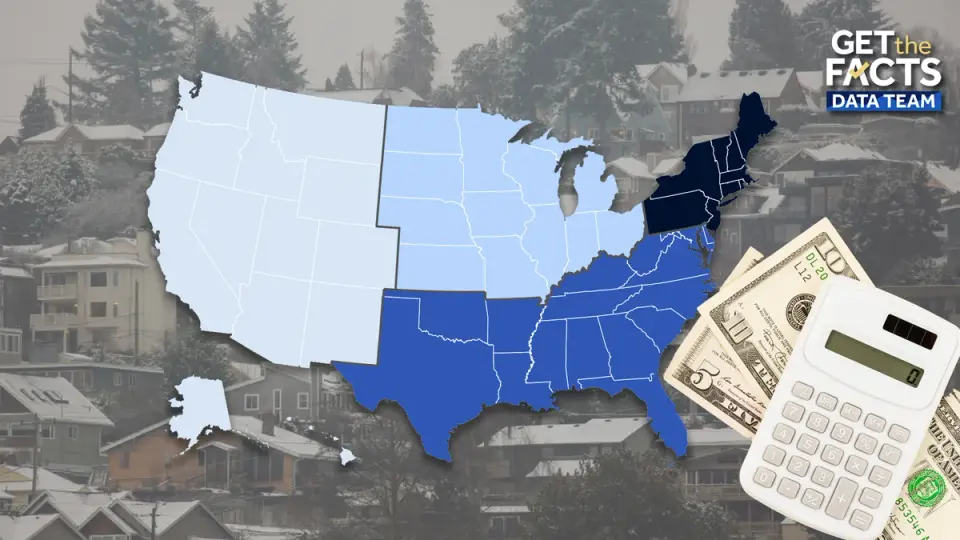
US winter heating costs are projected to rise 8.7% to an average of $1,030, driven by a 31% spike in heating oil prices due to the Iran conflict. The Northeast faces the highest burden, with oil-heating households expected to pay $2,297, while El Niño offers limited relief against rising electricity and fuel costs.
Key points
- NEADA projects a 31% increase in heating oil costs, reaching $2,300 per household, the steepest rise among energy sources.
- The US-Iran conflict has pushed Brent Crude above $100 per barrel, disrupting supply through the Strait of Hormuz and raising wholesale fuel prices.
- The Northeast region faces the highest costs due to heavy reliance on oil and higher electricity rates, averaging $2,297 for oil and $1,885 for electricity.
- El Niño is expected to bring a warmer winter, but this mitigation is outweighed by inflation, AI-driven electricity demand, and geopolitical instability.
- NEADA has requested an additional $3 billion in LIHEAP funding to help low-income households cope with the rising costs.
Background
Previous coverage in September 2026 established that the Iran conflict was already driving up energy costs, with the average US household facing an estimated $1,650 increase in expenses. Earlier reports noted that while El Niño was expected to moderate temperatures, the geopolitical disruption to oil supply chains remained the primary driver of price volatility, particularly for oil-dependent regions in the Northeast and rural UK areas.
How outlets are covering it
WESH and CNN align on the NEADA projections, citing a 31% jump in heating oil costs and emphasizing the impact of the Iran war on global oil markets. CNN highlights the human impact through individual cases of financial strain and the strain on LIHEAP assistance programs. BBC focuses on the UK perspective, noting similar price spikes in heating oil (from 60p to 97p per litre) and the lack of price caps for oil heating, contrasting with the US focus on federal assistance. Heatmap News provides a deeper analysis of the supply chain, noting that distillate fuel stocks are at historic lows and that Houthi attacks and Russian refinery strikes are further constraining global supply, leading to higher domestic prices in states like Maine.
Why it matters
The surge in heating costs threatens to exacerbate household financial stress, particularly for low-income families and those in the Northeast who rely on oil. The inability to secure affordable heating may lead to increased reliance on emergency assistance programs and could influence political debates regarding energy policy and foreign policy decisions related to the Iran conflict.
What to watch
Households are advised to prepare homes for winter by sealing leaks and upgrading furnaces to reduce consumption. NEADA is lobbying Congress for increased LIHEAP funding, while consumers are monitoring oil prices closely to decide when to purchase fuel, as prices remain volatile and high. The EIA forecasts continued low inventories and high prices for distillate fuel through 2027.
- 'No room left in their budgets': US heating bills expected to rise this winter WESH
- Get ready for a 30% jump in heating oil costs this winter as Iran war drives up prices CNN
- Rising oil prices create 'huge worry' as winter looms BBC
- New Englanders Will Pay Through the Nose to Stay Warm This Winter Heatmap News
- Heating Oil Hits Record High TradingView
Want the full story? Read the original reporting
Read on WESH