
Oil Hits $109 as Gulf Attacks Spark Inflation Fears and Rate Hike Odds
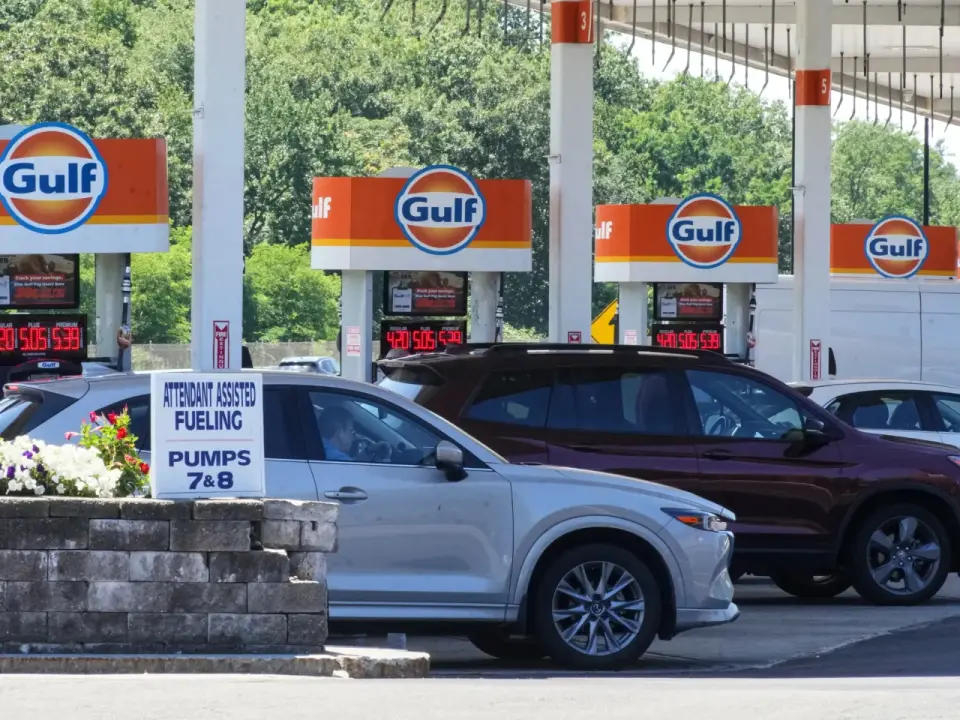
Brent crude surged to $109.20 per barrel on September 10, 2026, driven by intensified attacks on tankers in the Strait of Hormuz during the US-Israel conflict with Iran. The spike, which represents a 50% increase from July lows, has pushed US gas prices to nearly $4.28 per gallon and raised the probability of a Federal Reserve interest rate hike to nearly 70%. Stocks fell for a fourth consecutive day as bond yields climbed, reflecting heightened inflation concerns.
Key points
- Brent crude reached $109.20, while US West Texas Intermediate crude topped $100 for the first time since May, rising 6.7% to $102.50.
- The price surge follows intensified attacks on Gulf shipping, including Iran striking 10 ships near the Strait of Hormuz after the US targeted five Iranian oil tankers.
- Traders now assign a near-70% probability to a Federal Reserve rate increase at next week's meeting, up from 61% the previous day, despite President Trump's calls for lower rates.
- The S&P 500 fell 0.6%, marking its fourth straight loss, while the 10-year Treasury yield hit its highest intraday level since October 2023.
- US regular petrol prices averaged nearly $4.28 per gallon, with analysts warning that higher energy costs will increase prices for goods transported by truck.
Background
This escalation follows a period of relative market stability in early September, where the S&P 500 had risen 13% on strong earnings and AI optimism, largely ignoring geopolitical risks. However, recent data showed the Federal Reserve was already weighing a potential rate hike due to stubborn inflation, with President Trump publicly urging cuts after a strong August jobs report. The current oil spike threatens to reverse the recent market resilience by intensifying inflationary pressures.
How outlets are covering it
Al Jazeera and The New York Times both emphasize the direct link between the US-Israel-Iran conflict and the oil price spike, noting the 50% rise from July lows. Al Jazeera highlights the role of Chinese demand in amplifying the price surge, while The New York Times focuses on the broader market reaction, including bond yields and stock declines. MarketWatch underscores the immediate impact on Treasury yields and the upcoming Consumer Price Index report as a critical factor for Federal Reserve decisions. All sources agree that the conflict is prolonging supply disruptions, but they differ in emphasis: Al Jazeera focuses on supply chain mechanics, while The New York Times and MarketWatch focus on the macroeconomic consequences for inflation and interest rates.
Why it matters
The oil price surge directly threatens to reignite inflation, forcing the Federal Reserve to consider raising interest rates despite political pressure for cuts. This could increase borrowing costs for consumers and businesses, potentially derailing the recent stock market rally driven by AI and earnings. The situation also highlights the vulnerability of global supply chains to geopolitical conflicts in the Middle East, with potential ripple effects on global trade and energy security.
What to watch
Markets will closely watch the US Consumer Price Index report released on September 11, which will provide critical data on inflation trends. The Federal Reserve's decision on interest rates at its September 15-16 meeting will be influenced by this data and the trajectory of oil prices. Continued attacks on shipping in the Strait of Hormuz and Red Sea could further disrupt supply, potentially pushing oil prices higher. Investors will also monitor Chinese crude import levels, as sustained demand could amplify the impact of supply disruptions.
- Oil soars to $109, pushing up chances of US interest rate increase Al Jazeera
- Oil Prices Surge as Stocks and Bonds Wobble The New York Times
- U.S. crude oil tops $100 again – last seen in May – as market braces for prolonged Iran war CNBC
- S&P 500 ends down as Treasury yields rise and traders fret about inflation Reuters
- Stock Market on Sept. 10, 2026: Dow, S&P 500 and Nasdaq end lower as U.S. oil prices surge to more than $100 a barrel and Treasury yields jump; stocks book 4th straight day of losses MarketWatch
Want the full story? Read the original reporting
Read on Al Jazeera