
2025 U.S. income hits record high, but experts warn poverty may rise due to safety net cuts
The U.S. Census Bureau reported that the poverty rate fell slightly to 10.2% in 2025, and real median household income reached a record high of $87,460. However, experts caution that these figures do not reflect recent cuts to social assistance programs, which may cause poverty to rise in the coming years.
Key points
- Real median household income in 2025 reached $87,460, the highest on record since 1967, up 2.6% from 2024.
- The official poverty rate dropped by half a percentage point to 10.2%, with child poverty falling to a record low of 13.4%.
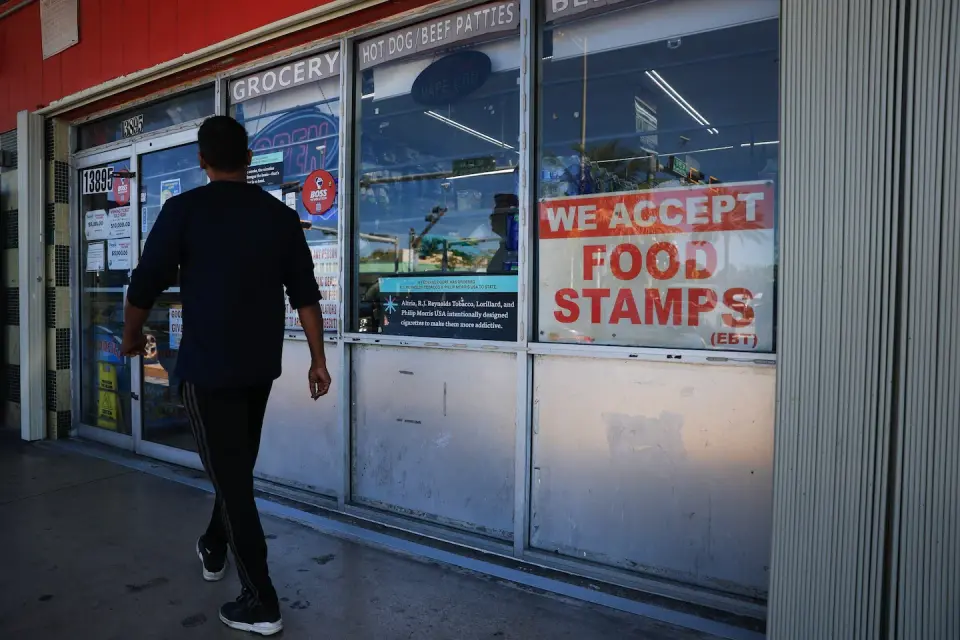
- The 2025 data does not include the impact of the 'One Big, Beautiful Bill' signed in July 2025, which is expected to cut food stamps and Medicaid.
- Income gains were uneven: the top 10% saw increases, while the bottom 10% saw no significant change in pre- or post-tax income.
- The ratio of income at the 90th percentile to the 10th percentile widened to 13.06 in 2025, up from 9.23 in 1967.
Background
This report follows earlier coverage noting that while top-line income numbers improved, the gap between the highest and lowest earners widened significantly. Previous analyses highlighted that Hispanic populations saw record-low poverty rates but remained highly uninsured, and that the bottom 20% of households captured only 3% of total income. The current data confirms these trends, showing that despite record median income, the lowest earners did not see significant gains, and the income distribution remains highly skewed toward the top.
How outlets are covering it
The Washington Post emphasizes the disconnect between the slight drop in poverty and the looming impact of social safety net cuts, framing the current data as potentially misleading. CNN highlights the contrast between record income and the 'affordability crisis' felt by Americans, noting that median earnings for full-time workers did not change significantly, though women's earnings rose. The Census Bureau provides the raw data, confirming the record high for median income but noting that post-tax income did not surpass 2020 or 2021 levels due to pandemic-era stimulus payments. All sources agree that the 2025 data does not reflect the 2025 cuts to programs like SNAP and Medicaid, which are expected to increase poverty in future reports.
Why it matters
The 2025 Census data shows a record high in median household income, but this masks a widening gap between the top and bottom earners. The official poverty rate dropped slightly, but this figure does not account for recent cuts to social safety net programs, which experts fear will cause poverty to rise in the coming years. The data highlights the disconnect between top-line economic indicators and the lived experience of affordability for many Americans, particularly those in the bottom 10% who saw no significant income gains.
What to watch
Future Census data will reflect the impact of the 'One Big, Beautiful Bill' signed in July 2025, which is expected to result in millions of people losing food stamps and Medicaid. This could lead to a rise in the poverty rate in subsequent years. Additionally, the ongoing US-Iran war and resulting oil price spikes may exacerbate the affordability crisis, further impacting household budgets and potentially reversing recent gains in median income.
- U.S. poverty rate drops slightly, but experts fear worse ahead The Washington Post
- US poverty rate dips to lowest on record, Census Bureau says Reuters
- Median Household Income in 2025 Surpassed Previous Highs Before and After the COVID-19 Pandemic Census.gov
- American Incomes Hit Record Last Year as Women Gained Ground WSJ
- Median US income rises to highest on record even as Americans feel affordability pinch CNN
Want the full story? Read the original reporting
Read on The Washington Post