
South Carolina Renters Face Nation’s Steepest Housing Cost Surge
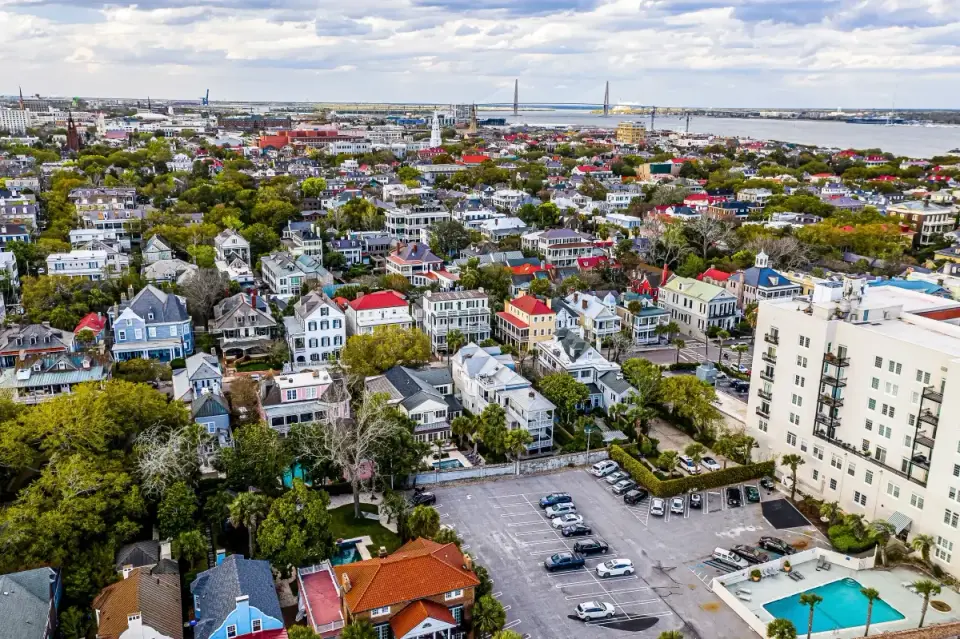
South Carolina renters experienced the largest median rent increase in the U.S., rising 19.2% in two years to $1,395, driven by rapid population growth and a housing shortage.
Key points
- Median gross rent in South Carolina jumped from $1,170 in 2023 to $1,395 in 2025, a 19.2% increase, nearly double the 10.7% national average.
- The state recorded the fastest population growth in the nation between July 2024 and July 2025, swelling by 1.5% in one year and 3.33% over two years.
- South Carolina led the country in percentage payroll job growth through May 2025, adding 62,500 positions, attracting migrants from higher-cost neighboring states like North Carolina and Georgia.
- Approximately 90% of lower-income households in the state are estimated to be housing-cost burdened, according to University of South Carolina research.
- Despite the surge, new apartment construction has outpaced demand in most metros, with asking rents remaining relatively stable in 2025, suggesting potential relief for future tenants.
Background
This housing crisis follows years of underbuilding since the Great Recession, with the state’s population expanding 14% from 2010 to 2022, roughly twice the national pace. The current affordability squeeze contrasts with earlier federal policy shifts affecting neighboring North Carolina, where counties faced increased administrative costs for SNAP and Medicaid restrictions in late 2026.
Why it matters
The data highlights a broader national trend where previously affordable states are losing their price advantage due to rapid migration and job growth, exacerbating housing insecurity for working families and potentially influencing future migration patterns and local economic stability.
What to watch
Builders are attempting to catch up with the housing shortage, and rising vacancies in most metros suggest that new construction may eventually balance demand, potentially stabilizing or lowering asking rents for new tenants in the coming year.
Want the full story? Read the original reporting
Read on New York Post