
US-Canada trade talks collapse, triggering 50% tariffs and loonie sell-off
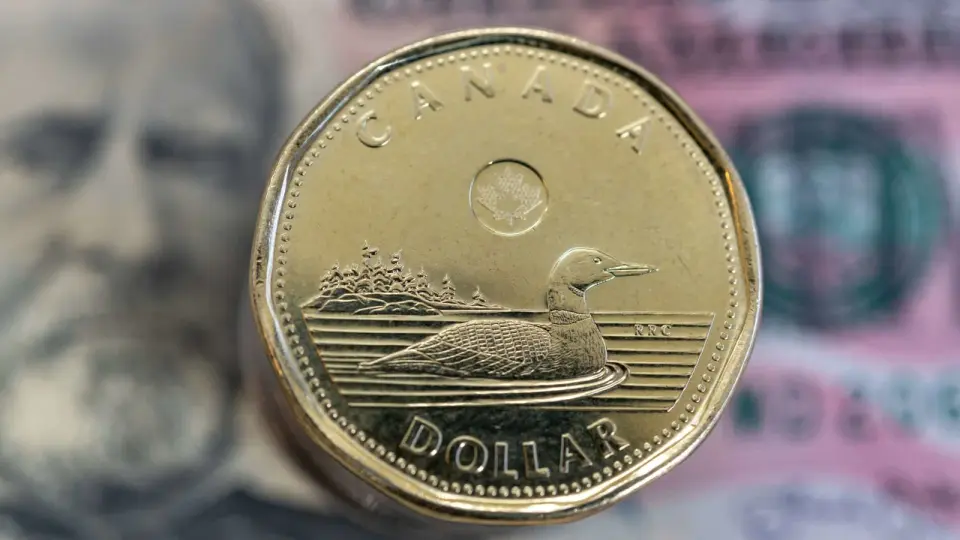
Negotiations between the US and Canada collapsed, leading Washington to impose 50% tariffs on $20 billion in Canadian goods. Ottawa vowed 'dollar-for-dollar' retaliation, causing the Canadian dollar to fall against major currencies.
Key points
- The US imposed 50% tariffs on approximately $20 billion worth of Canadian imports, including dairy, wine, wood, and ceramics.
- Canadian Prime Minister Mark Carney announced retaliatory tariffs starting September 8, targeting steel, dairy, and electronics.
- The Canadian dollar fell 0.45% against the US dollar and weakened against the euro, pound, and yen.
- Analysts warn that the tariffs could push Canada’s GDP growth toward zero, with potential recession risks if the US expands tariffs.
- The US-Mexico-Canada Agreement (USMCA) is under renegotiation, and previous exemptions for compliant goods are no longer in effect.
Background
This escalation follows a period of tense trade relations, including earlier discussions about AI infrastructure and geopolitical tensions involving the UK and Ukraine. The collapse of talks marks a significant shift from previous tentative deal announcements.
How outlets are covering it
CNBC and XTB.com emphasize the immediate economic shock, highlighting the loonie’s decline and the risk of recession. The Guardian provides broader context, linking the trade war to US sanctions on Iran and global market volatility. Financial Post notes that the loonie’s recent strength was driven by US dollar weakness and oil prices, not the trade deal, and warns that structural issues like low interest rates and productivity gaps will limit long-term recovery. Analysts from ING and Capital Economics stress that Canada’s open economy makes it more vulnerable to these tariffs than the US.
Why it matters
The trade war threatens to disrupt supply chains, increase consumer prices, and potentially trigger a recession in Canada. It also signals a broader shift in US trade policy, affecting global markets and currency stability.
What to watch
Canada will release details of its retaliatory tariffs in the coming days. The US may expand tariffs to 20% of Canadian exports, and the USMCA renegotiation will continue. Market volatility is expected to persist as investors assess the impact on global trade and currency values.
- 'They asked too much': Canadian dollar slides as Ottawa and Washington head for all-out trade war CNBC
- Iran’s rial falls to record low as Scott Bessent warns of ‘economic D-day’ – business live The Guardian
- The loonie is rallying. Here's why top currency watchers don't think it will last Financial Post
- USD/CAD, Gold Forecast: Two trades to watch FOREX.com
- Chart of the Day: Trump drives the Canadian dollar sell-off (24.08.2026) XTB.com
Want the full story? Read the original reporting
Read on CNBC