
Goldman Sachs Flags Consumer Spending Risks as Tax Relief Fades
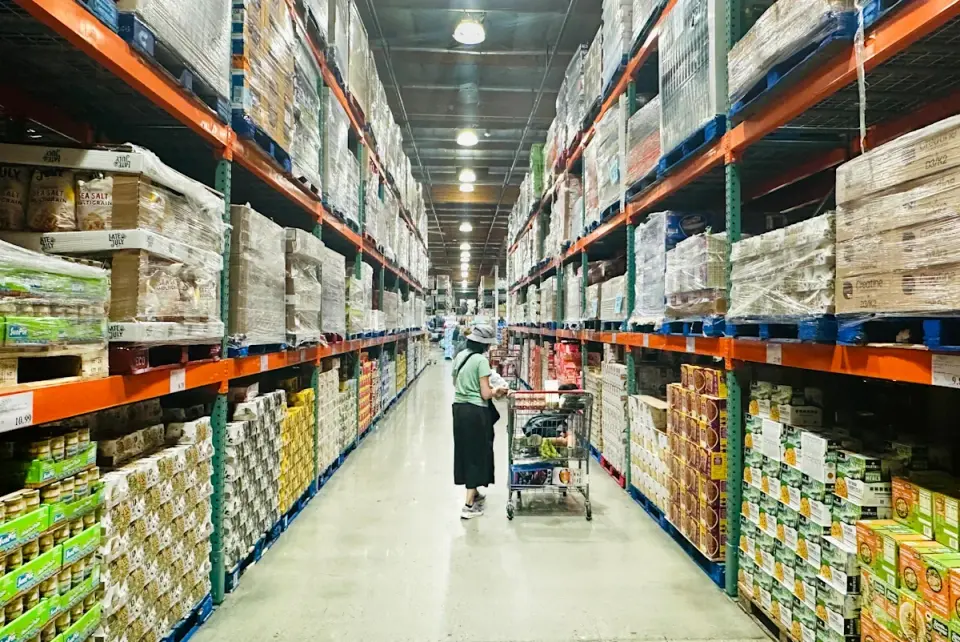
Goldman Sachs warns that US consumer spending may slow as the temporary boost from tax refunds fades, signaling potential headwinds for the broader economy.
Key points
- Goldman Sachs identifies the expiration of tax refund benefits as a primary driver for a projected slowdown in consumer spending.
- The bank suggests that recent spending strength was partly supported by fiscal policy measures rather than durable economic fundamentals.
- This warning aligns with earlier reports of shoppers cutting back on grocery purchases and trading down to cheaper brands to manage costs.
Background
This caution follows earlier data from Bain & Company showing a 1.8% year-over-year drop in US grocery unit sales in June 2026, despite rising prices. Goldman Sachs has also previously highlighted the importance of tangible, in-person experiences as a defensive investment theme against AI disruption, and warned that AI could displace 15 million jobs, potentially affecting household income and spending power. Additionally, the bank recently argued that markets were overpricing Federal Reserve rate hikes, suggesting a more dovish monetary environment might be needed to support the economy.
Why it matters
Consumer spending drives a significant portion of the US economy; a slowdown could impact corporate earnings, particularly for retailers and service providers, and may influence Federal Reserve policy decisions regarding interest rates.
What to watch
Investors should monitor upcoming consumer confidence indices and retail sales data to gauge the severity of the spending slowdown. Companies may need to adjust their pricing strategies and marketing efforts to retain customers facing tighter budgets.
Want the full story? Read the original reporting
Read on Yahoo Finance