
Trump Weighs 90-Day Diesel Export Ban as Prices Hit Record Highs
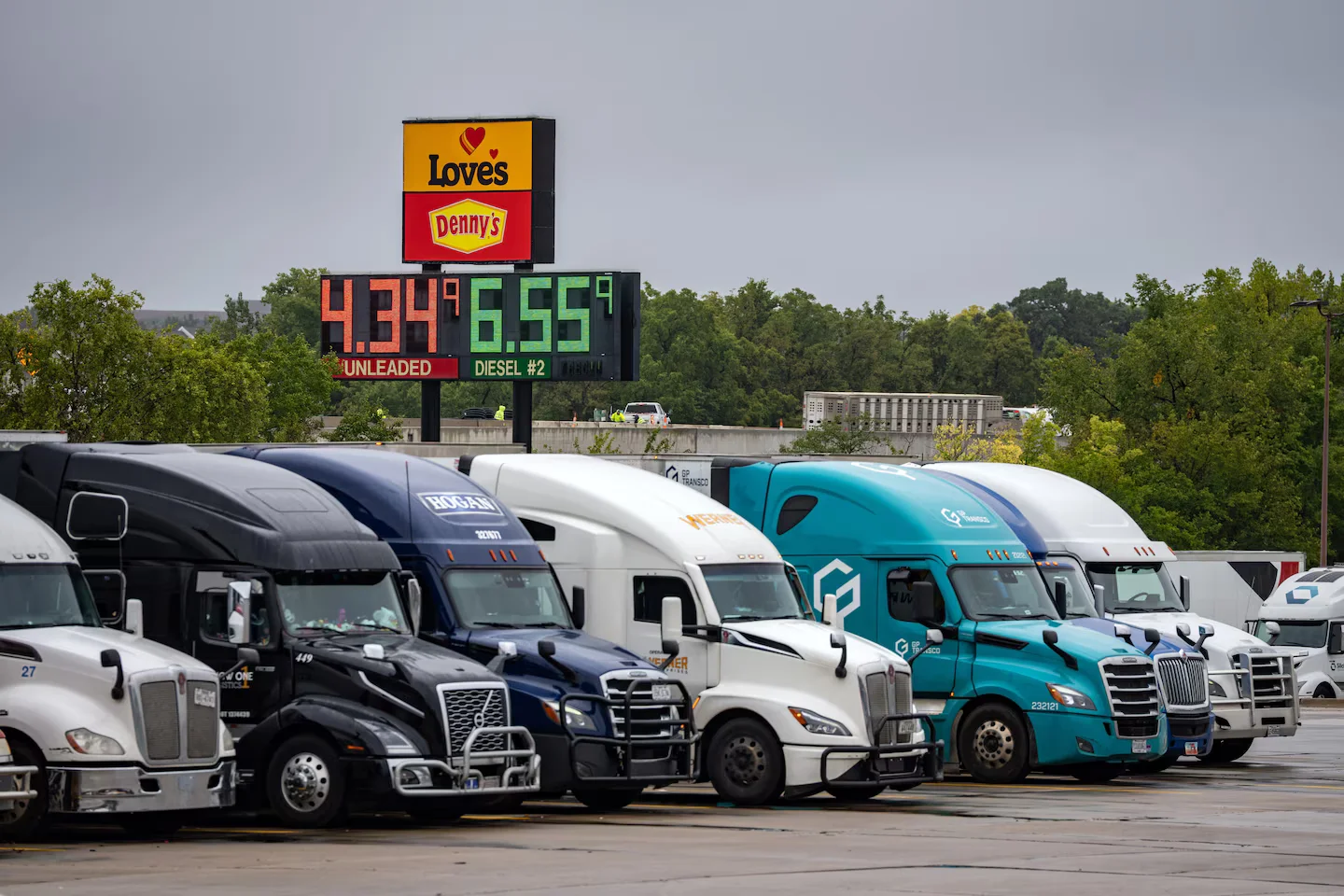
The Trump administration is preparing a 90-day ban on U.S. diesel exports to lower record-high prices, a move driven by political pressure from farm-state Republicans ahead of midterm elections. While the ban aims to provide short-term relief for truckers and farmers, energy experts and administration officials warn it could backfire by reducing refinery output and raising gasoline and jet fuel prices.
Key points
- U.S. diesel prices reached a record $6.52-$6.53 per gallon in September 2026, up 91 cents from a month ago.
- The White House is considering a 90-day export ban, with President Trump indicating a decision could be made by the end of the week.
- Energy Secretary Chris Wright opposes the ban, arguing it would force refiners to cut production and raise prices for other fuels.
- Farm-state Republicans, including Sen. Chuck Grassley, are pushing for the ban to protect agricultural incomes.
- Experts suggest alternative measures, such as waiving the Jones Act or renewable fuel mandates, could lower prices without disrupting supply chains.
Background
In late September 2026, U.S. diesel prices surged to record levels due to global supply disruptions from the Iran conflict and Ukraine’s attacks on Russian refineries. This spike intensified pressure on the Trump administration to act, particularly as midterm elections approached. Earlier reports indicated the White House was evaluating the feasibility of a ban, with Treasury Secretary Scott Bessent confirming the review. The debate highlighted a clash between agricultural interests seeking price relief and energy experts warning of broader economic consequences.
How outlets are covering it
The Washington Post and Politico emphasize the political urgency driving the potential ban, noting that farm-state Republicans are pressuring the administration to act before midterms. Politico highlights internal White House divisions, with Energy Secretary Chris Wright and other officials opposing the ban as a 'blunt tool' that could backfire. CBS News focuses on the economic mechanics, explaining that U.S. refineries produce more diesel than domestic demand requires, but global shortages are driving prices. CBS notes that a ban could lead refiners to cut output or shift to other fuels, potentially worsening the situation. All sources agree that the ban is a response to record-high prices but differ on its effectiveness, with experts generally warning against it.
Why it matters
The potential diesel export ban could significantly impact U.S. fuel prices, affecting not only diesel but also gasoline and jet fuel. If implemented, it could disrupt global supply chains and harm U.S. refiners, while failing to address the root causes of price spikes. The decision also has political implications, as high fuel costs are a key issue for Republican candidates in the upcoming midterm elections.
What to watch
The White House is expected to announce a decision on the diesel export ban by the end of the week. If implemented, the ban would last 90 days, with potential extensions depending on market conditions. Energy Secretary Chris Wright has suggested that any action might be voluntary rather than a blanket ban. The administration is also considering alternative measures, such as waiving the Jones Act or renewable fuel mandates, to lower prices without disrupting supply.
- How a ban of diesel exports could lead to higher prices — even in the U.S. The Washington Post
- ‘Dammit, something has to happen’: White House preparing plan for 90-day diesel exports ban Politico
- Exclusive | Behind the Oil-and-Gas Industry’s Blitz to Try to Defeat a Diesel Export Ban WSJ
- Diesel prices just hit a new record. Would a U.S. export ban bring relief? CBS News
- US Energy Secretary Wright says diesel export ban won't work Reuters
Want the full story? Read the original reporting
Read on The Washington Post