
AFL-CIO Report Warns Digital Price Tags Could Cost Jobs and Raise Grocery Prices
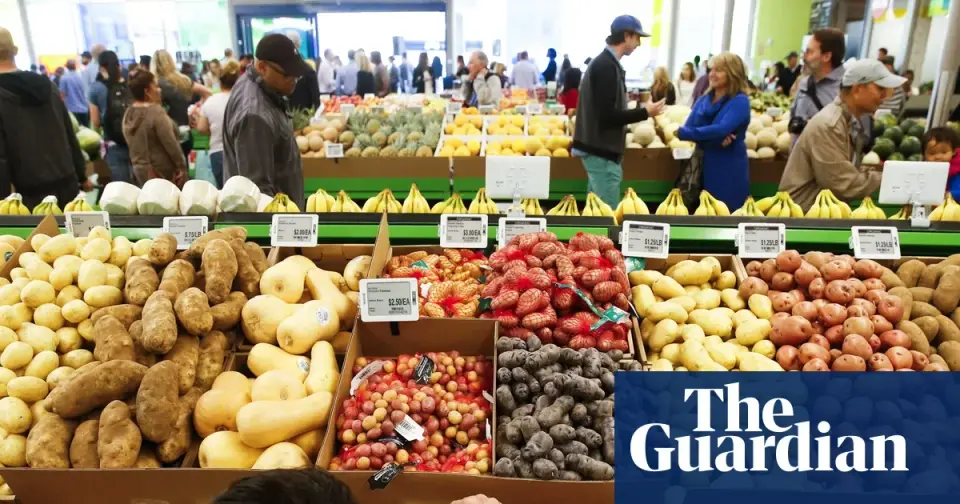
A new report by the AFL-CIO Tech Institute warns that the widespread adoption of electronic shelf labels in US grocery stores could eliminate up to 191,633 jobs and cost workers $6.9 billion annually. The report argues that these labels facilitate 'surveillance pricing,' allowing retailers to adjust prices based on personal data and market conditions, which could further increase grocery costs for consumers already struggling with inflation. While manufacturers promote the technology as a cost-saving measure, unions and policymakers argue it enables dynamic pricing and reduces labor hours. Several states have already banned surveillance pricing, and public opinion polls show strong support for restricting digital price tags.
Key points
- The AFL-CIO Tech Institute estimates that universal adoption of electronic shelf labels could affect between 44,223 and 191,633 jobs and result in $1.6 billion to $6.9 billion in lost wages annually.
- The report 'Priced Out, Pushed Out' argues that electronic labels connect to algorithmic pricing software, enabling 'surveillance pricing' where prices change based on individual shopper data or external factors like pollen counts.
- Food prices in the US have risen 33% over the past seven years, outpacing inflation and wage growth, according to the report.
- Maryland, Connecticut, and New Jersey have enacted bans on surveillance pricing, with other states considering similar legislation.
- A May poll by the United Food and Commercial Workers union found that 67% of Americans support banning digital price tags and surveillance pricing.
Background
This report follows earlier concerns about personalized pricing, including an August 2026 FTC proposal for price transparency rules. In September 2026, political campaigns in Texas highlighted high grocery costs as a key issue, reflecting broader consumer anxiety about food affordability. The debate over electronic shelf labels is part of a larger trend in retail technology adoption, where efficiency gains for corporations often conflict with labor stability and consumer price predictability.
How outlets are covering it
The AFL-CIO Tech Institute and the United Food and Commercial Workers union emphasize the negative impacts of electronic shelf labels on workers and consumers, citing job losses, wage reductions, and increased prices due to dynamic pricing. They argue that the technology enables 'surveillance pricing' and erodes the trust associated with stable, paper-based pricing. In contrast, label manufacturers promote the technology as a cost-cutting measure for retailers, though the AFL-CIO report critiques this by analyzing manufacturers' own marketing materials. UA.NEWS reports the same findings but frames the issue as a call for a ban, highlighting the legislative response in several states. Both sources agree on the potential for price increases and job losses but differ in emphasis: The Guardian focuses on the consumer impact and the mechanism of surveillance pricing, while UA.NEWS highlights the institutional call for a ban and the legislative landscape.
Why it matters
The potential widespread adoption of electronic shelf labels could significantly impact the US grocery industry, affecting both workers and consumers. If the AFL-CIO's estimates are accurate, the technology could lead to substantial job losses and wage reductions, exacerbating economic inequality. For consumers, the ability to change prices rapidly and based on personal data could lead to higher grocery costs, particularly for vulnerable populations. The legislative response in several states suggests that this issue may become a focal point for consumer protection and labor rights in the coming years.
What to watch
The AFL-CIO Tech Institute is calling for a ban on electronic shelf labels to protect consumers and workers. Several states have already enacted bans on surveillance pricing, and other states may follow suit. Retailers and manufacturers may continue to promote the technology, but the growing public opposition and legislative action could slow its adoption. The outcome of this debate will likely depend on the balance between corporate efficiency goals and consumer/labor protections.
Want the full story? Read the original reporting
Read on The Guardian