
US Gas Prices Surpass Biden Era Amid Iran War and Refining Shortages
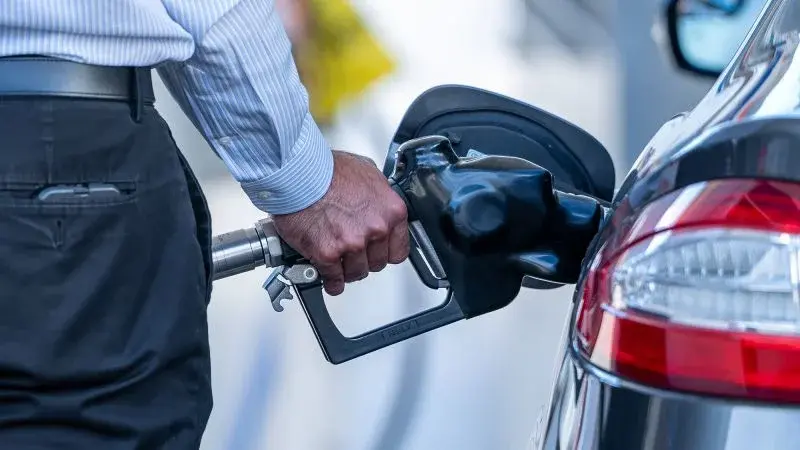
US gasoline prices have exceeded their average under the Biden administration, driven by the Iran conflict and global refining shortages. Despite overall inflation being lower than under Biden, voters remain highly dissatisfied with energy costs ahead of the November midterms.
Key points
- The national average gas price under Trump’s second term now exceeds the average from Biden’s four years, reversing 2024 campaign promises of sub-$2 fuel.
- The Iran war and the closure of the Strait of Hormuz have destabilized global energy markets, causing tanker costs to surge from $65,000 to $1.6 million per day.
- A global refining shortage, exacerbated by damaged Middle East facilities and reduced Chinese exports, has left commercial inventories critically low.
- The White House has attempted to lower prices via an $8 billion farmer subsidy, Russian diesel imports, and Jones Act waivers, but analysts argue these measures are insufficient.
- Polls show 72-75% disapproval of Trump’s handling of gas prices, with voters linking high costs directly to his policies despite lower overall inflation rates.
Background
In early 2026, energy markets appeared oversupplied, with gas prices below $3 per gallon. Trump campaigned on the promise of cheap fuel, blaming Biden’s energy policies for previous price spikes. However, the subsequent conflict with Iran disrupted supply chains, leading to the current crisis. Earlier reports from October 2026 noted that while overall inflation is half the rate of the Biden era, specific sectors like fuel and tariffs have driven voter anger.
How outlets are covering it
CNN emphasizes the historical reversal of gas prices, noting that the Iran war negated favorable market conditions. Yahoo Finance highlights the political paradox: overall inflation is lower under Trump, but specific outliers like gas and tariffs have driven a 72% disapproval rating. The Guardian focuses on the inadequacy of White House interventions, arguing that measures like Russian diesel imports and red-dye waivers will not lower prices before the midterms. All sources agree that the Iran conflict is the primary driver of the energy crisis, but they differ on the effectiveness of Trump’s mitigation strategies.
Why it matters
High fuel prices are a central issue in the 2026 midterm elections, with polls indicating that voters are unlikely to support Republicans even if prices drop slightly. The crisis underscores the vulnerability of global energy systems to geopolitical shocks and the political consequences of energy price spikes for incumbent administrations.
What to watch
Analysts expect prices to remain elevated or rise further due to winter heating demand and potential escalations in the Middle East. The only significant price relief is expected if the Strait of Hormuz reopens fully and peace accords are reached in the Middle East and Ukraine. Until then, the energy market remains fragile with low inventories.
- Gas under Trump 2.0 is now more expensive than it was under Biden CNN
- Average price of gasoline during Trump's term now exceeds Biden's, as midterms loom Reuters
- Inflation under Trump is only about half the rate under Biden. Voters are still just as mad. Yahoo Finance
- Too little, too late: Trump takes on gas prices as fuel costs hamper his midterm hopes The Guardian
- How Higher Fuel Prices Could Raise Your Costs After The Midterms Forbes
Want the full story? Read the original reporting
Read on CNN