
US Government Returns $100 Billion in Tariffs After Supreme Court Ruling
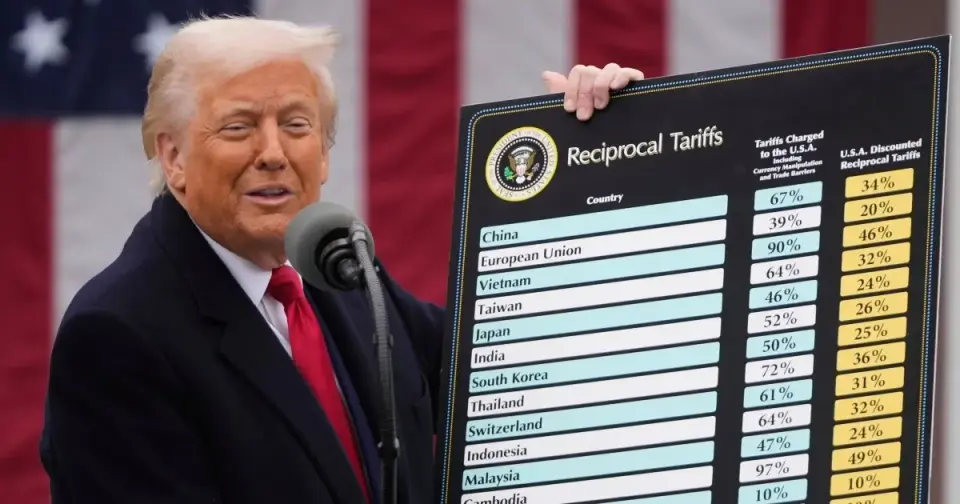
The US government has refunded approximately $100 billion in tariffs to importers following a Supreme Court ruling that invalidated President Trump's 2025 'Liberation Day' duties. This amount represents about 60% of the $166 billion collected before the court struck down the levies. While major corporations like Apple and Amazon have received significant payouts, ordinary consumers are generally ineligible for direct refunds, raising questions about how the money will ultimately benefit the public.
Key points
- The US Customs and Border Protection (CBP) reported that it has processed over $100 billion in refunds, accounting for roughly 60% of the $166 billion collected from IEEPA-based tariffs.
- The Supreme Court ruled in February that the administration exceeded its authority by using the International Emergency Economic Powers Act (IEEPA) to impose broad tariffs on over 90 countries.
- Major corporations have received substantial refunds, with Apple reportedly receiving $2.2 billion, Amazon $600 million, and Nike $300 million.
- Ordinary consumers are not eligible for direct refunds under the current system, as only the entities that directly paid the tariffs or their customs brokers can claim them.
- The administration has introduced new tariffs under different legal authorities, including Section 301 of the Trade Act of 1974, to replace the invalidated levies.
Background
This development follows the Supreme Court's February 2026 ruling that struck down a large portion of President Trump's tariff regime, which had been imposed using the International Emergency Economic Powers Act (IEEPA). The court found that the administration exceeded its authority by using IEEPA to impose broad tariffs on over 90 countries. Prior to this ruling, the administration had collected approximately $166 billion in tariff revenue. The refunds are being processed through CBP's Consolidated Administration and Processing of Entries (CAPE) system, which has received over 252,000 refund declarations covering more than 25 million import entries as of July 31, 2026.
How outlets are covering it
Al Jazeera and CNBC report that the $100 billion in refunds represents about 60% of the $166 billion collected from IEEPA-based tariffs. The Guardian notes that the refunds are being processed through CBP's CAPE system, with over 252,000 refund declarations covering more than 25 million import entries. CNN highlights that major corporations like Apple, Amazon, and Nike have received significant payouts, while ordinary consumers are generally ineligible for direct refunds. The administration has introduced new tariffs under different legal authorities, including Section 301 of the Trade Act of 1974, to replace the invalidated levies. A coalition of 25 US states has filed a legal challenge against the latest tariffs, calling them a pretext for replacing import taxes struck down by the Supreme Court in February.
Why it matters
The $100 billion in tariff refunds represents a significant financial impact on the US economy and trade policy. The refunds are being processed through CBP's CAPE system, which has received over 252,000 refund declarations covering more than 25 million import entries. The administration's decision to introduce new tariffs under different legal authorities, including Section 301 of the Trade Act of 1974, has raised concerns about the legality and fairness of the new levies. The legal challenge filed by a coalition of 25 US states could have significant implications for the future of US trade policy and the administration's ability to impose tariffs.
What to watch
The administration is expected to continue processing refunds through CBP's CAPE system, with more than 330,000 importers having paid IEEPA tariffs on over 53 million entries. The legal challenge filed by a coalition of 25 US states against the latest tariffs could have significant implications for the future of US trade policy and the administration's ability to impose tariffs. The administration's decision to introduce new tariffs under different legal authorities, including Section 301 of the Trade Act of 1974, has raised concerns about the legality and fairness of the new levies.
- Trump administration refunds $100bn in tariffs struck down by Supreme Court Al Jazeera
- Trump admin refunds $100 billion in 'liberation day' tariffs CNBC
- Corporate America got billions of dollars in tariff refunds. Where’s your cut? CNN
- US refunds $100bn of Donald Trump’s ‘liberation day’ tariffs The Guardian
- Trump administration pays back $100bn in 'Liberation Day' tariffs to businesses BBC
Want the full story? Read the original reporting
Read on Al Jazeera