
US Wage Growth Slows to Post-Pandemic Low as Inflation Continues to Outpace Pay
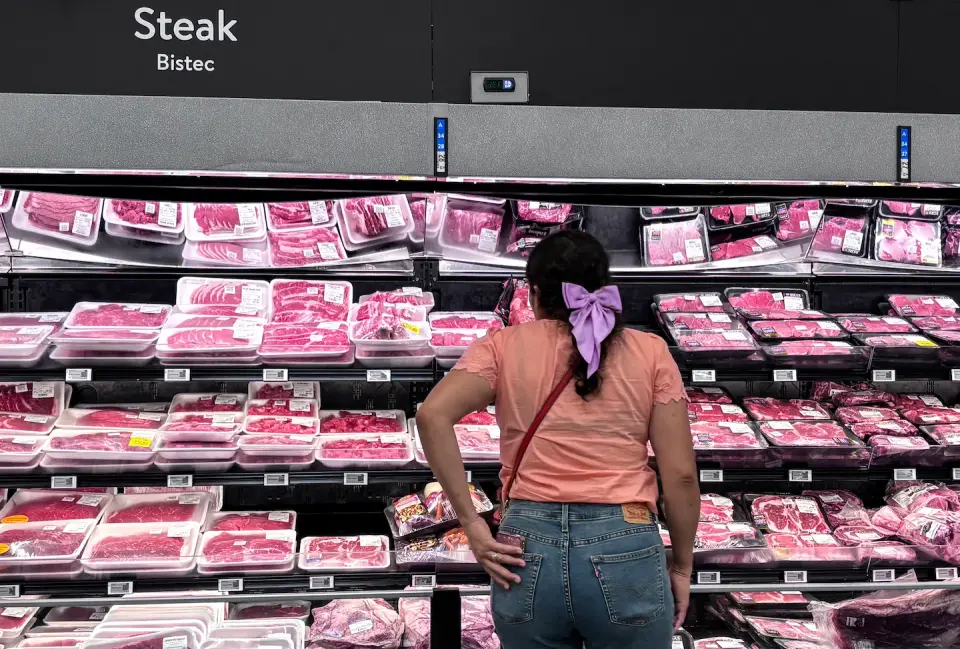
Inflation has exceeded wage growth for six consecutive months, with August marking the slowest wage increase since the pandemic. This trend is eroding American purchasing power and dampening consumer confidence.
Key points
- The Labor Department reported that wage growth slowed to its lowest rate since the pandemic in August 2026.
- Inflation has outpaced wage increases for the past six months, reducing real income for workers.
- Economists warn that rising fuel prices and geopolitical tensions may further exacerbate inflationary pressures.
- Young job seekers are facing particularly low starting wages, compounding the issue for new entrants to the labor market.
- Consumer sentiment has declined as Americans increasingly expect prices to rise faster than their incomes.
Background
This development follows a period of sustained inflation outpacing wages, as noted in August 2026 coverage. Earlier data showed real wages falling for 40% of workers between 2020 and 2024, with bonuses providing minimal relief. The current trend aligns with a broader pattern of economic unease despite stable employment figures.
Why it matters
The persistent gap between wage growth and inflation signals a weakening economy, potentially leading to reduced consumer spending and increased financial stress for households. This could influence Federal Reserve policy decisions and broader economic stability.
What to watch
Economists will monitor whether wage growth accelerates in the coming months or if inflation continues to rise, particularly due to fuel prices and geopolitical factors. Consumer spending trends and labor market adjustments will be key indicators of economic health.
- Here’s why wages are falling behind inflation, an economic warning sign The Washington Post
- Wage growth can't compete with inflation right now marketplace.org
- Shae Cassler Sw9r(@Mohammed438)'s insights Binance
- US Wages Growth Matches Forecasts at 0.3% TradingView
- There's very little inflation, if any, evident in the jobs report MarketWatch
Want the full story? Read the original reporting
Read on The Washington Post