
China’s Clean Energy Surge Begins Displacing Coal in 2025
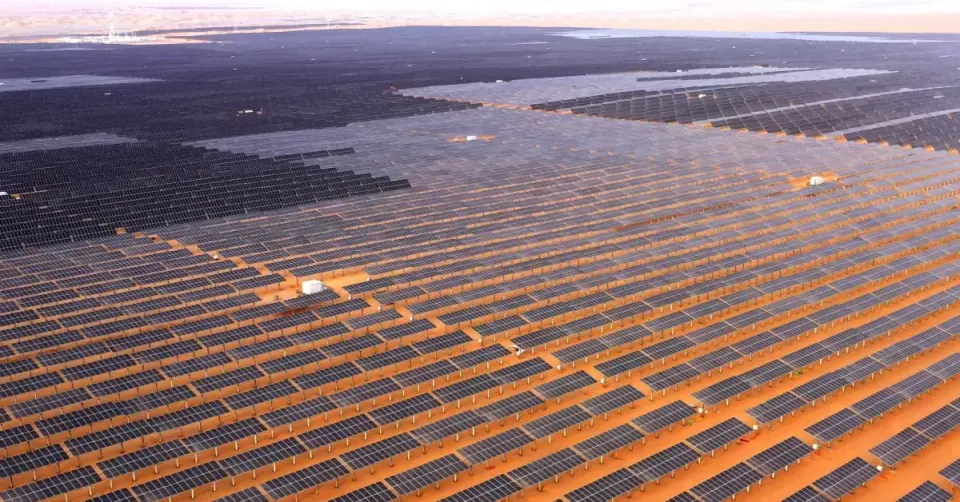
China’s clean energy expansion is now outpacing demand growth, causing thermal generation to fall for the first time in a decade. While coal capacity continues to grow, actual usage is declining as battery storage and electric vehicles reshape the grid and industrial sectors.
Key points
- Thermal generation, primarily coal, dropped 0.7% in 2025 despite a 5% rise in electricity demand, marking the first decline in ten years.
- Coal generation has flattened in 17 of 26 Chinese provinces, including industrial hubs like Shandong and Hunan, which hold over half of national thermal capacity.
- Battery storage capacity grew 84% in 2025, overtaking pumped hydro and doubling in utilization since 2022 to manage grid flexibility.
- Electric passenger cars accounted for 67% of new sales by June 2026, while electric trucks reached 26% of new sales, displacing an estimated 1 million barrels of oil daily.
- China’s clean technology exports exceeded $220 billion in 2025, approaching the scale of traditional export sectors like garments and furniture.
Background
Previous coverage noted that China surpassed coal in installed solar capacity in 2026, with solar reaching 1,288 GW compared to coal’s 1,285 GW. However, coal still generated nearly half of electricity in the first half of 2026. Earlier reports also highlighted that while renewables are expanding rapidly, nuclear targets have lagged behind, and global oil prices remained volatile due to geopolitical tensions.
How outlets are covering it
Ember and Electrek emphasize that China is entering a 'building while breaking' phase, where clean energy is actively replacing fossil fuels in generation and industry. They highlight the structural shift in demand and the growing role of battery storage. Conversely, CounterPunch argues that China is still adding significant coal capacity, with 30 GW added in the first half of 2026, and that high curtailment of wind and solar suggests grid inefficiencies. While Ember sees a long-term decline in coal usage, CounterPunch points to the risk of locked-in dirty capacity and notes that China remains the largest contributor to global fossil fuel emissions.
Why it matters
China’s transition impacts global fossil fuel markets, as it previously drove over 90% of global coal demand growth. A slowdown in Chinese demand could destabilize long-term plans for fossil fuel producers. Additionally, reduced oil imports enhance China’s energy security, while its clean tech exports influence global energy policies and industrial strategies.
What to watch
China’s Five-Year Energy Plan targets peak oil and coal consumption by 2030. The next phase will require managing legacy coal plants and integrating more clean energy into harder-to-electrify sectors like metal smelting. Policy adaptations will be crucial to address curtailment and grid flexibility challenges.
- China’s clean energy surge is starting to squeeze out coal Electrek
- China Energy Transition Review 2026 ember-energy.org
- Vampire Planet: Inside China’s Coal Boom CounterPunch.org
- China’s Coal Power Generation Expected to Increase in 2026, Halting First Decline in a Decade - Trough Earnings Signal dars.gov.et
- Study: Fossil fuel use 'flattening out' across China as clean electrification gathers pace BusinessGreen
Want the full story? Read the original reporting
Read on Electrek