
EU Launches Diplomatic Offensive to Block US Diesel Export Ban
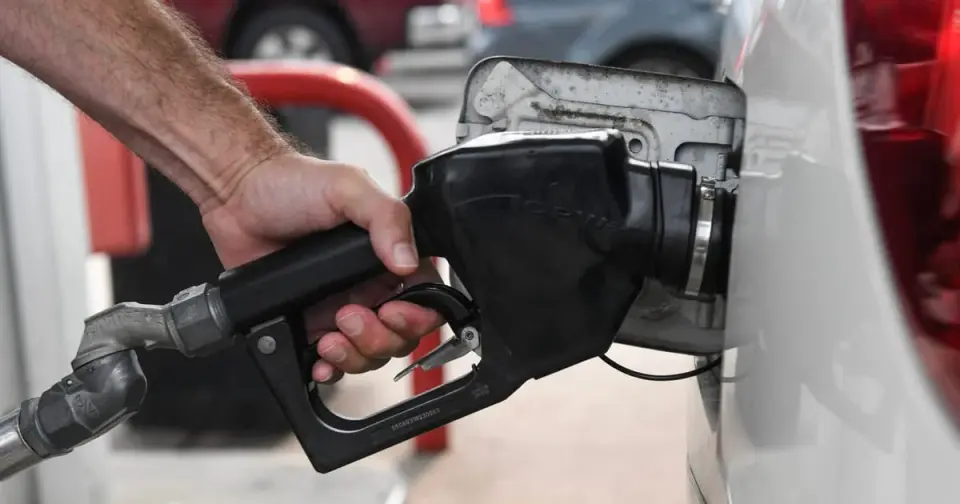
The European Union has initiated high-level diplomatic talks with the Trump administration to prevent a proposed 90-day ban on U.S. diesel exports. Brussels argues that such a restriction would severely disrupt global energy markets and harm both sides, noting that the EU imports over half of its diesel from the U.S. The move comes amid record-high fuel prices in the U.S., driven by conflicts in the Middle East and Ukraine, and growing political pressure on President Trump ahead of midterm elections.
Key points
- EU officials warned that a U.S. diesel export ban would negatively impact both European and American markets, prompting immediate diplomatic consultations.
- The U.S. is currently the world’s largest diesel exporter, supplying more than 50% of the EU’s imports, a share that has risen due to disruptions in Middle Eastern and Russian supply chains.
- U.S. diesel prices reached a record $6.51 per gallon, prompting Trump to advocate for an export ban to lower domestic costs before the midterm elections.
- Major U.S. business groups, including the Chamber of Commerce and the American Petroleum Institute, warned that a ban would backfire by reducing production and raising prices for American consumers.
- Energy Secretary Chris Wright opposed a total ban, suggesting instead that voluntary measures or flow adjustments might be more effective than a blanket export restriction.
Background
This development follows weeks of escalating tensions over energy supplies. In late September, Trump signaled support for restricting diesel exports to curb soaring prices, a stance that divided the Republican party and the oil industry. Earlier reports indicated that the White House was weighing the feasibility of such a ban, while Ukraine’s strikes on Russian refineries and the U.S.-Iran conflict had already tightened global diesel markets. The EU’s current diplomatic push is a direct response to these reports, aiming to protect its energy security and maintain stable trade relations with the U.S.
How outlets are covering it
The European Commission, through spokesperson Olof Gill, emphasized the mutual harm of a ban, stating that any disruption would risk negatively impacting both sides and that close partners should consult before taking measures affecting shared markets. In contrast, the U.S. Chamber of Commerce, Business Roundtable, and the American Petroleum Institute warned in a joint letter that a ban would lead to tighter supplies and higher costs for American families, farmers, and truckers. While Trump publicly advocated for the ban to address domestic price concerns, Energy Secretary Chris Wright and Treasury Secretary Scott Bessent opposed a total ban, with Wright calling it a 'blunt tool' that could raise gasoline and jet fuel prices. The Guardian highlighted the potential 'devastating' impact on Europe, noting that the U.S. supplies about half of the continent’s diesel imports, while CNBC noted the political pressure on Trump from farm-state Republicans.
Why it matters
The potential ban threatens to exacerbate global energy instability at a time when supply chains are already strained by geopolitical conflicts. For the EU, losing access to U.S. diesel could lead to higher prices and supply shortages, particularly in sectors reliant on diesel, such as agriculture and logistics. For the U.S., a ban could backfire by reducing refining output and raising prices for other fuel types. The diplomatic efforts by the EU aim to prevent a precedent of government intervention in energy markets that could have long-term economic and political repercussions for both the U.S. and Europe.
What to watch
The EU and U.S. are expected to continue high-level consultations in the coming days to resolve the issue. The Trump administration is reportedly considering a decision on the ban by the end of the week, with some officials suggesting that a voluntary measure or partial restriction might be implemented instead of a total ban. The outcome of these negotiations will likely determine whether the U.S. proceeds with the ban, potentially leading to further market volatility and diplomatic tensions between the U.S. and the EU.
- EU launches diplomatic offensive to stop Trump’s diesel export ban politico.eu
- Big business warns Trump against diesel export ban in joint letter CNBC
- EU says Trump plan to ban US diesel exports would ‘negatively impact both sides’ The Guardian
- ‘Dammit, something has to happen’: White House preparing plan for 90-day diesel exports ban Politico
- Rep. Tim Burchett Drops Two Bills to Address Affordability House.gov
Want the full story? Read the original reporting
Read on politico.eu