
Oil Falls 3% as U.S. Shifts to Sanctions, but Experts Warn of Long-Term Supply Scars
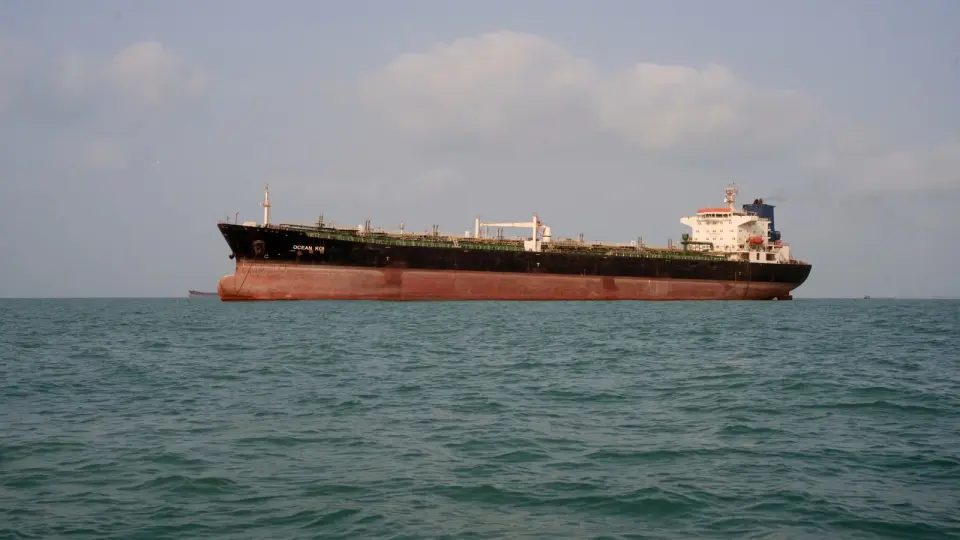
Oil prices dropped approximately 3% on Tuesday as the U.S. government emphasized economic sanctions over military action against Iran. Brent crude fell to $89.14 per barrel, while U.S. West Texas Intermediate crude declined to $82.36. Treasury Secretary Scott Bessent described the new sanctions regime as an 'economic D-Day,' suggesting that maximum financial pressure reduces the likelihood of renewed kinetic warfare. Meanwhile, Iranian officials stated they are prepared to withstand the pressure, and China warned against unilateral sanctions that disrupt its trade with Tehran.
Key points
- Brent crude fell 3.3% to $89.14 and WTI dropped 3.1% to $82.36, marking a weekly decline of over 5%.
- Treasury Secretary Scott Bessent stated that maximum economic pressure makes a large-scale military restart unlikely.
- Iranian Economy Minister Ali Madanizadeh claimed Tehran has a two-year plan to manage the sanctions impact.
- The State Department is preparing to return evacuated diplomats to the Middle East as early as this week.
- President Trump confirmed that all mines have been cleared from international waters in the Strait of Hormuz.
Background
This development follows the August 2026 launch of 'Operation Economic Outcast,' a broad sanctions drive aimed at severing Iran from the global financial system. Earlier in the month, the U.S. and Iran faced a stalemate with the Strait of Hormuz disrupted, leading to significant oil price volatility. The current shift toward economic pressure represents a continuation of the strategy to isolate Tehran without escalating to direct military conflict.
How outlets are covering it
CNBC highlights the immediate market reaction to the U.S. pivot away from military strikes, noting that the return of diplomats and the clearing of mines signal a de-escalation of kinetic threats. However, Fox News presents a more cautious view through energy expert Art Berman, who argues that the reopening of the Strait of Hormuz does not solve the deeper problem of shut-in wells. Berman warns that approximately 8 million barrels of Persian Gulf production remain offline, and restarting these wells is a complex, long-term process that could take months. While CNBC focuses on the short-term price drop due to reduced war fears, Fox News emphasizes that the underlying supply constraints may persist, potentially causing prolonged disruptions in diesel and jet fuel availability despite the political calm.
Why it matters
The shift from military threats to economic sanctions stabilizes oil prices in the short term but raises questions about long-term supply resilience. If the U.S. avoids kinetic strikes, it may prevent immediate spikes in oil costs, but the technical challenges of restarting shut-in wells in the Persian Gulf could keep global supply tight for months. Additionally, the involvement of China as a key trading partner for Iran adds a layer of geopolitical complexity, as Beijing has vowed to protect its interests against U.S. secondary sanctions, potentially limiting the effectiveness of the U.S. economic pressure campaign.
What to watch
Investors will monitor whether the U.S. follows through on secondary sanctions against countries like China that continue to trade with Iran. The return of U.S. diplomats to the Middle East will be a key indicator of whether Washington is confident in the stability of the region. Furthermore, energy markets will watch for updates on the pace of well restarts in the Persian Gulf, as this will determine whether oil prices remain low or rise again due to supply constraints.
- Oil drops 3% as U.S. shifts to economic pressure on Iran, easing fears of renewed war CNBC
- Oil Falls Further Despite Fresh U.S. Sanctions on Iran WSJ
- Oil falls over 4% as investors shrug off US sanctions on Iran Reuters
- Hormuz crisis hides a deeper oil threat that could outlast the war Fox News
- Oil Steadies as US Plan Offers Little Clarity on Hormuz Deadlock Bloomberg
Want the full story? Read the original reporting
Read on CNBC