
Brent Crude Breaches $100 as US-Iran Naval Clash Escalates
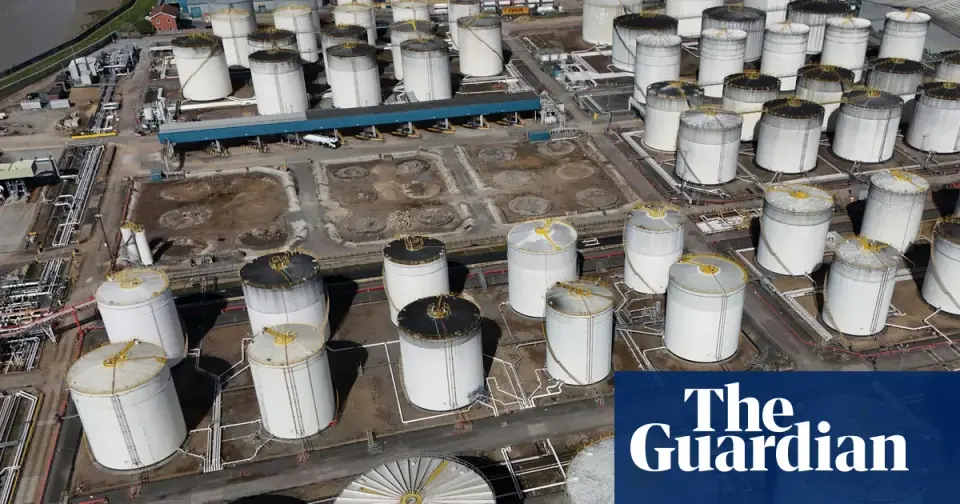
Brent crude surpassed $100 per barrel for the first time since July, driven by a new escalation in the US-Iran conflict. The US military reported destroying multiple Iranian tankers after Tehran launched ballistic missiles at a US warship. This flare-up follows Houthi attacks on Saudi Arabia that wounded over 70 people and ignited oil facilities. Consequently, UK petrol prices hit a four-year high, and gas prices in Europe reached levels unseen since 2022. Market analysts warn that these energy costs are fueling inflation fears, potentially forcing the Federal Reserve and European Central Bank to raise interest rates.
Key points
- Brent crude rose 3% to over $100.8, marking its third breach of the $100 threshold in 2026.
- The US military confirmed the destruction of multiple Iranian tankers in retaliation for missile strikes on US naval vessels.
- Iran-backed Houthis attacked four Saudi cities, wounding 70 people and setting fire to oil installations.
- UK petrol prices reached 166.2p per litre, the highest in four years, while diesel hit 187.7p.
- European gas prices surged, with the Dutch benchmark reaching its highest level since January 2023.
Background
This escalation follows a six-month conflict that began with US-Israeli strikes on Iran in late February 2026. Oil prices previously peaked at $126 in April before falling as ceasefire hopes emerged. A memorandum of understanding between the US and Iran collapsed in August, leading to renewed hostilities. Earlier in September, Brent crude had already approached $100 due to threats to Gulf shipping and attacks on Saudi refineries. The current surge continues a trend where energy costs have risen by a quarter since early August.
How outlets are covering it
The Guardian emphasizes the direct impact on UK consumers, highlighting record-high petrol and gas prices, and cites Bank of England Governor Andrew Bailey’s warning that energy costs are driving inflation risks upward. Al Jazeera focuses on the broader financial market reaction, noting that global stocks fell and bond yields hit multidecade highs as investors anticipate central bank tightening. It includes analyst Manish Kabra’s view that $100 is a psychological threshold, with major demand impacts requiring prices to reach $150. CNBC highlights the immediate stock market volatility, with the Dow dropping 1.2% and the 10-year Treasury yield briefly exceeding 4.8%, reflecting investor anxiety over inflation and interest rate hikes.
Why it matters
The breach of the $100 oil threshold signals a potential shift from a temporary supply disruption to a sustained energy crisis. This directly impacts global inflation, forcing central banks to consider higher interest rates, which could slow economic growth. For consumers, it means significantly higher costs for fuel and heating. For markets, it introduces volatility that could persist into 2027 if the conflict continues to disrupt shipping through the Strait of Hormuz.
What to watch
Traders will monitor Chinese crude imports, which have recovered to nearly 9 million barrels per day but remain below pre-conflict levels. The European Central Bank is expected to decide on interest rates on Thursday, followed by the US Federal Reserve next week. Analysts are watching for further escalation in the US-Iran naval conflict and any signs of a new ceasefire, which could cause oil prices to fluctuate significantly in the coming weeks.
- Oil prices rise above $100 a barrel for first time since July as Iran war escalates The Guardian
- Oil Hits $100 a Barrel as Turmoil Intensifies in Middle East The New York Times
- Brent crude surpasses $100 a barrel as Iran, US escalate attacks Al Jazeera
- Dow futures fall 250 points after Brent crude tops $100 per barrel: Live updates CNBC
- Asian Chip Stocks Set for Gains, Brent Nears $100: Markets Wrap Bloomberg.com
Want the full story? Read the original reporting
Read on The Guardian