
AI Power Demand Revives Dormant Nuclear Experiment in Virginia
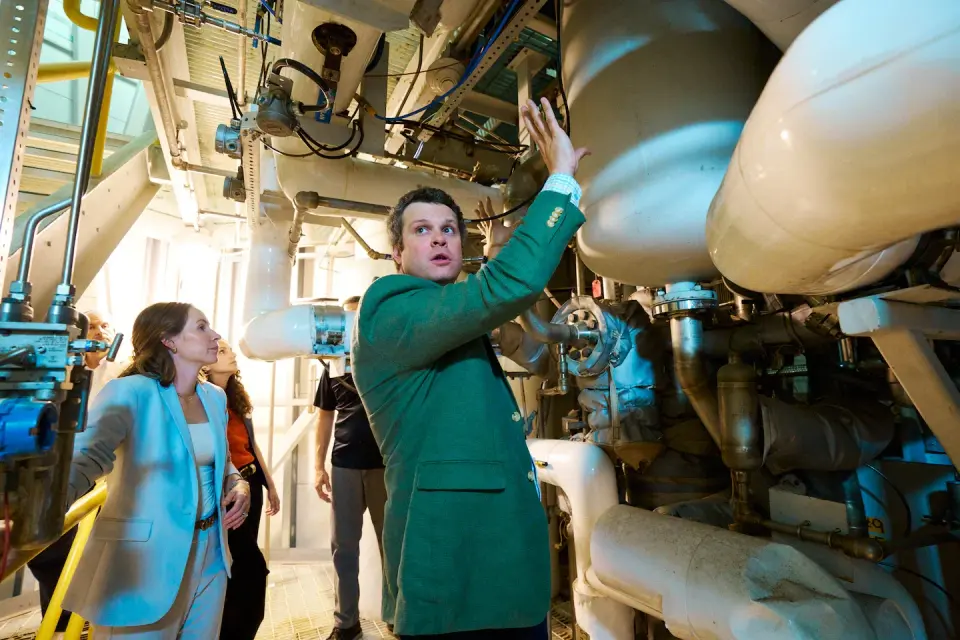
Former SpaceX engineers are reviving a dormant $400 million nuclear reactor experiment in Lynchburg, Virginia, to address the massive power demands of AI data centers. The project, previously abandoned due to shifting energy markets, is now being pursued as a potential solution to the growing energy crisis caused by artificial intelligence infrastructure.
Key points
- A 120-foot-tall nuclear reactor experiment in Lynchburg, Virginia, is being revived after being abandoned due to poor financial prospects and shifting energy markets.
- The project, which cost $400 million, is now being pursued by former SpaceX engineers to meet the power needs of AI data centers.
- The revival is part of a broader trend of nuclear technology being reconsidered to address the energy demands of artificial intelligence and data centers.
- The project is being conducted by BWXT, a nuclear technology company, and is part of a larger effort to develop next-generation nuclear technology.
Background
This development follows a series of energy crises in Europe, where droughts and heatwaves have forced nuclear plants to shut down or reduce output. For example, Hungary and Romania have faced significant energy shortages due to low Danube water levels, which have impacted cooling for nuclear plants. These events highlight the growing strain on energy infrastructure and the need for reliable power sources, such as nuclear energy, to meet increasing demands, including those from AI and data centers.
Why it matters
The revival of this nuclear project underscores the urgent need for reliable, large-scale power sources to support the growing energy demands of AI and data centers. As traditional energy sources face challenges, such as droughts and heatwaves, nuclear technology is being reconsidered as a viable solution to ensure a stable and sustainable energy supply for critical infrastructure.
What to watch
The next steps for the project will likely involve further development and testing of the nuclear reactor experiment, as well as potential regulatory and financial approvals. The success of this project could pave the way for the broader adoption of next-generation nuclear technology to meet the energy demands of AI and data centers.
Want the full story? Read the original reporting
Read on The Washington Post