
Google Secures First Commercial Superhot Geothermal Deal in Oregon
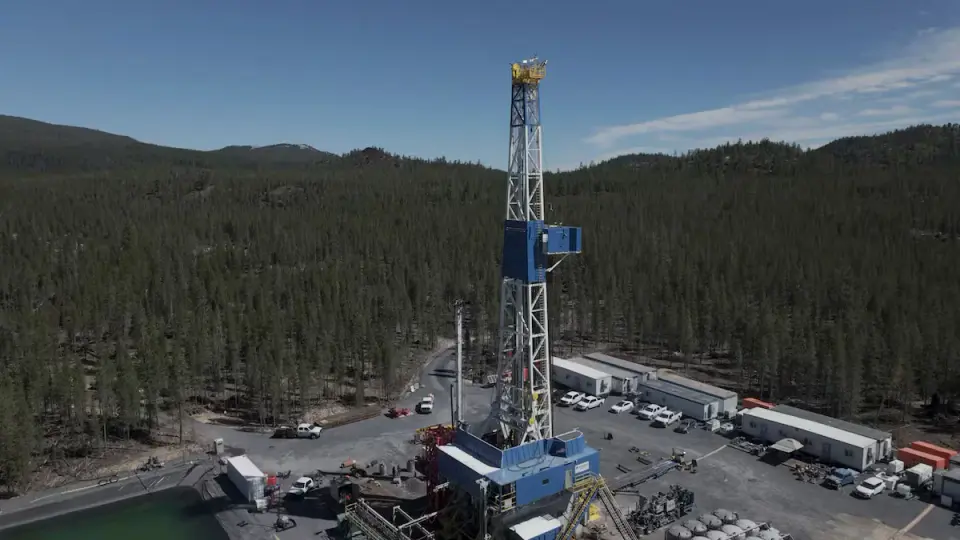
Google and Quaise Energy have signed the world’s first commercial power purchase agreement for superhot rock geothermal energy. The deal involves 50 megawatts of power from Quaise’s Project Obsidian in Central Oregon, intended to supply Google’s data centers in The Dalles starting as early as 2030. This move aims to address grid strain from AI infrastructure while leveraging deep-earth heat for continuous, carbon-free electricity.
Key points
- Google agreed to buy 50 megawatts of electricity from Quaise Energy’s Project Obsidian, located on the southern flank of Newberry Volcano in Central Oregon.
- The power is expected to reach Google’s three data center campuses in The Dalles by 2030, providing always-on, carbon-free energy.
- Quaise’s technology involves drilling miles deep to access rock temperatures near 800 degrees Fahrenheit, using injected water to create steam for turbines.
- The agreement is Quaise’s first commercial geothermal deal, following an $180 million Series B funding round in August 2026.
- Quaise must build a 10-mile transmission line to the La Pine substation to connect the site to the grid.
Background
This deal emerges amid significant grid congestion in the Pacific Northwest, where federal power planners forecast an 11-gigawatt energy gap by 2032. Recent archive coverage highlights that geothermal firms face regulatory hurdles and high interest rates, while Google has previously pursued nuclear upgrades and Utah geothermal deals to meet AI power demands. Additionally, other companies like Fervo Energy and Mazama Energy are competing for similar deep-earth resources in the region.
How outlets are covering it
OPB emphasizes the urgency of finding new renewable sources due to state environmental regulations and the strain AI data centers place on the grid. Yahoo Finance highlights the financial milestones, including Quaise’s recent funding and Google’s broader clean energy portfolio, framing the deal as a step toward U.S. leadership in geothermal power. EnergyTech focuses on the technical specifications, noting that superhot geothermal can generate up to ten times more power per well than traditional systems and detailing the use of millimeter-wave drilling in the project’s second phase. While all sources agree on the 50-megawatt scale and 2030 timeline, they differ in emphasis: OPB highlights local community benefits and transmission challenges, Yahoo focuses on corporate strategy, and EnergyTech details the engineering advantages of enhanced geothermal systems.
Why it matters
This agreement marks a pivotal shift in renewable energy infrastructure, demonstrating that deep-earth heat can serve as a reliable, baseload power source for massive data centers. It addresses the critical need for continuous, carbon-free energy in a region facing transmission shortages and rising demand from AI. Success here could accelerate the commercialization of superhot geothermal technology, potentially reducing costs and expanding access to clean energy across the United States.
What to watch
Quaise will begin construction of the 10-mile transmission line to La Pine and initiate the first phase of conventional drilling at Project Obsidian. The company aims to deploy millimeter-wave drilling in a second phase to access deeper, hotter rock. Google expects to receive power by 2030, with potential for the site to scale up to one gigawatt of capacity in the coming decade.
- Google announces world’s first deal to buy commercial superhot rock geothermal energy from Central Oregon OPB
- Exclusive | Google Embraces Geothermal Technology to Vaporize Rock for Clean Power WSJ
- Quaise Energy Signs 50 MW Geothermal Power Purchase Agreement with Google Yahoo Finance
- Google bets on superhot geothermal to power Oregon data centers Canary Media
- Expanding EGS Capabilities: Quaise Energy Signs 50-MW ‘Superhot’ Geothermal PPA with Google to Power Oregon Grid EnergyTech
Want the full story? Read the original reporting
Read on OPB