
IEA Warns Diesel Shortage Will Persist Until Mid-2027 Despite Russian Deal
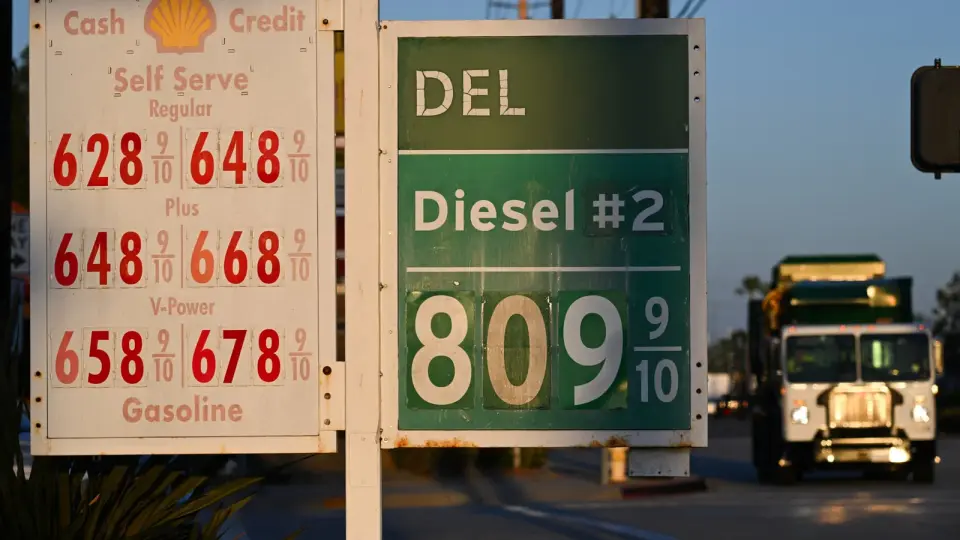
The International Energy Agency (IEA) projects that global diesel supply constraints will continue through the second half of 2027, driven by severe inventory depletion and weak demand elasticity. Although refinery output is recovering, the loss of 1.3 million barrels per day from Russia and the Middle East has not been fully offset by other sources. Wholesale prices have hit record highs, exceeding $220 per barrel in Europe and the US, while retail prices in the US reached $6 per gallon in September. The IEA noted that a recent deal between the US and Russia for 300,000 metric tons of diesel is unlikely to have significant macroeconomic impact, as the volumes are too small to address the broader deficit. Renewed attacks in the Gulf, including strikes on Saudi Aramco facilities, further threaten the fragile recovery of oil supply.
Key points
- The IEA states that replenishing lost diesel inventories is unlikely before the second half of 2027, despite a rapid recovery in refinery throughputs expected by year-end.
- Global diesel exports fell by 700,000 barrels per day year-on-year in September, with a 1.3 million barrel per day loss from Russia and the Middle East only partially offset by other suppliers.
- Wholesale diesel prices reached record highs of approximately $220 per barrel in Europe and the US, while retail prices in the US hit $6 per gallon in September.
- The IEA warns that renewed attacks in the Gulf, including recent strikes on Saudi Aramco facilities, could derail the recovery of oil supply, which is forecast to rise by 7.7 million barrels per day in 2027.
- The proposed Russian diesel deal of 300,000 metric tons is considered to have little macroeconomic significance, with European officials questioning its delivery feasibility and impact on sanctions.
Background
This situation follows a sharp rise in US diesel prices to record levels of $6.31 and $6.43 per gallon in September 2026, driven by the Iran war and reduced refining capacity. Earlier reports indicated that global refineries were operating at near-maximum output, causing a 'crack spread' that inflated costs across the economy. Saudi Aramco CEO Amin Nasser previously warned that rebuilding global oil inventories could take up to two years after the US-Iran conflict, noting that nearly 3 billion barrels of supply were lost. The current IEA report aligns with these earlier warnings, confirming that the energy squeeze will persist well into 2027.
Why it matters
The prolonged diesel shortage will continue to impact global supply chains, raising costs for shipping, heating, and consumer goods. The IEA's forecast of tight supply until 2027 suggests that economic pressures will persist, potentially affecting inflation and consumer spending. The failure of the Russian diesel deal to provide significant relief highlights the structural nature of the supply crisis, which is driven by inventory depletion and geopolitical disruptions rather than short-term market fluctuations.
What to watch
The IEA expects oil supply to rise by 7.7 million barrels per day in 2027, but this recovery is fragile and could be derailed by renewed attacks in the Gulf. Diesel demand is expected to account for 25% of the overall oil demand drop of 2.6 million barrels per day in 2026. Market watchers will monitor the feasibility of the Russian diesel deal and the impact of Gulf attacks on Saudi Aramco's production, which is currently driving OPEC+ supply gains.
- Diesel squeeze set to last well into 2027 as Iran war disrupts supply, IEA says CNBC
- Oil Market Report - October 2026 IEA - International Energy Agency
- Global Diesel Squeeze to Drag Into 2027, IEA Says WSJ
- IEA cuts 2026 oil demand outlook as diesel crisis, Mideast war disrupt markets Investing.com
- IEA: Global oil demand down by 2.6M bpd in 2026 Breakingthenews.net
Want the full story? Read the original reporting
Read on CNBC