
Middle East Oil Flows Hit Pre-War Highs, Yet Prices Climb on Persistent Risks
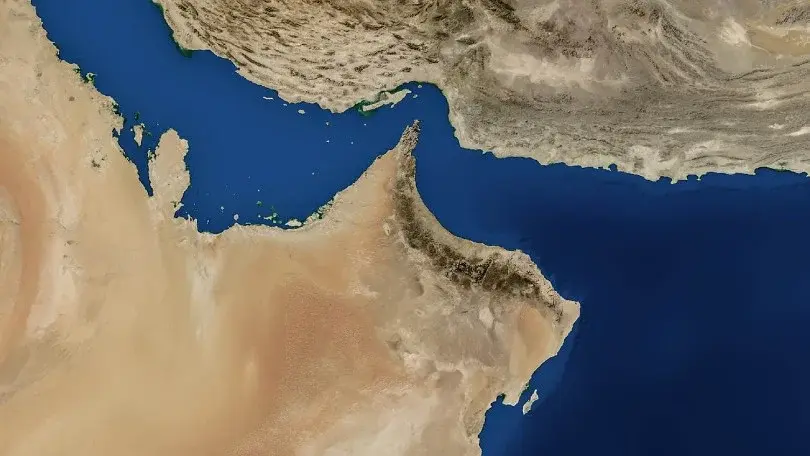
Middle Eastern oil exports have recovered to pre-war levels, averaging 24.6 million barrels per day in early October, surpassing the 23.3 million barrel benchmark from before the U.S.-Israeli strikes on Iran in February. Despite this volume recovery, Brent crude prices remain elevated, hitting a five-month high, due to persistent geopolitical risks and supply chain fragility. While total flows are robust, direct transit through the Strait of Hormuz remains down by over a third, compensated by alternative routes and ship-to-ship transfers. The market faces a 'forever conflict' scenario where supply resilience and demand destruction in Asia prevent a price spike to $120, but keep prices structurally high.
Key points
- Total Middle East oil exports averaged 24.6 million barrels per day in the week ending October 18, exceeding the pre-war average of 23.3 million barrels, according to Kpler data.
- Direct oil flows through the Strait of Hormuz remain more than 33% below pre-war levels, with October averages at 11.7 million barrels per day compared to 14.5 million in February.
- Iran has intensified attacks on tankers, with at least 25 vessels hit in the first 20 days of October, though actual numbers may be higher due to underreporting.
- Brent crude prices rose to a five-month high, trading around $108-$114, despite physical market prices dipping due to improved export volumes.
- Alternative routes, including Saudi Arabia's Red Sea port of Yanbu and new pipeline expansions, are compensating for Hormuz disruptions, though these routes face their own attack risks.
- JPMorgan analysts describe the situation as a 'forever conflict,' noting that supply resilience and demand destruction in China are keeping prices below the $120-$140 range feared by some forecasters.
Background
Since the U.S. and Israel launched strikes on Iran in late February 2026, the Middle East has experienced a prolonged conflict affecting global energy markets. Previous coverage indicated that while exports rebounded in September, structural price floors persisted due to geopolitical instability and thin supply buffers. The International Energy Agency warned in October that diesel shortages would continue until mid-2027, driven by the conflict and Ukrainian drone strikes on Russian refineries. The current situation reflects a shift from episodic shocks to persistent energy security challenges, with markets adapting to a new normal of constrained but resilient supply.
How outlets are covering it
OilPrice.com emphasizes the fragility of the recovery, noting that while total exports are high, they rely on costly workarounds like ship-to-ship transfers and record freight rates. The outlet highlights conflicting data on tanker traffic and the risk of further escalation, suggesting prices will remain elevated until year-end. Yahoo Finance (citing Fortune) frames the situation as a 'forever conflict,' where energy markets are adapting to persistent disruptions. It notes that demand destruction in Asia and supply resilience are preventing a price spike, but warns that any fresh U.S.-Israeli attacks could trigger a cycle of destruction, potentially leading to 'mutually assured destruction' in the energy sector. The Financial Times focuses on the statistical recovery, highlighting that total exports have surpassed pre-war levels despite Hormuz flows being down by a third. It notes the volatility of these figures and the role of alternative routes like Saudi Arabia's Yanbu port, which has faced its own disruptions but rebounded after pipeline repairs. All sources agree that while volumes are recovering, the underlying risks remain high, keeping prices elevated.
Why it matters
The recovery in Middle East oil exports to pre-war levels is a critical development for global energy markets, but it does not signal a return to normality. The reliance on alternative routes and costly workarounds indicates a structurally more expensive and fragile supply chain. Persistent geopolitical risks, including Iranian attacks on tankers and the potential for further escalation, keep oil prices elevated, impacting global inflation and energy security. The 'forever conflict' scenario suggests that energy markets must adapt to a new normal of constrained but resilient supply, with significant implications for trade routes, energy corridors, and global economic stability. The situation also highlights the limits of sanctions and economic warfare, as the U.S. maintains a naval blockade on Iran while avoiding direct military confrontation, creating a stalemate that could persist for years.
What to watch
Oil prices are expected to remain elevated through the end of 2026, with potential for further spikes if the conflict escalates. The U.S. is likely to maintain its naval blockade and economic pressure on Iran, while avoiding direct military strikes to prevent a wider war. Saudi Arabia and the UAE are expected to complete pipeline expansions to bypass the Strait of Hormuz, improving supply resilience. Demand destruction in Asia, particularly China, may continue to cap price increases, but any reduction in demand destruction or further supply disruptions could push prices higher. The market will closely monitor any signs of a peace deal between the U.S. and Iran, though such a deal remains remote. In the short term, investors should expect volatility in oil prices, driven by geopolitical risks and supply chain disruptions, while long-term trends will be shaped by the adaptation of energy markets to a 'forever conflict' in the Middle East.
- Oil Prices Rise Despite Middle East Export Recovery Crude Oil Prices Today | OilPrice.com
- Energy markets are adapting to the Iran war as a ‘forever conflict’ while oil producers keep supplies flowing and avoid ‘mutually assured destruction’ Yahoo Finance
- Opinion | Oil’s great escape from the Middle East The Washington Post
- More Oil Is Now Coming Out of the Persian Gulf Than Before the Iran War WSJ
- Middle East oil exports climb back to prewar levels Financial Times
Want the full story? Read the original reporting
Read on Crude Oil Prices Today | OilPrice.com