
Record Freight Costs Collapse U.S. Crude Exports to Asia
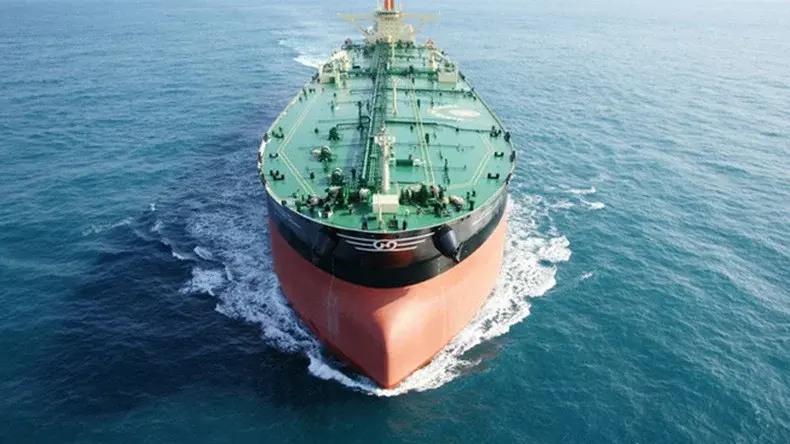
Freight costs for shipping U.S. crude to Asia have surged tenfold due to the Iran war, reaching up to $80 million per voyage. This has caused Asian orders for U.S. oil to drop by 50%, potentially setting a seven-year low for November shipments. While rates have eased slightly from early October peaks, they remain high enough to force refiners to seek nearby supplies and push U.S. and African crude into deep discounts.
Key points
- Shipping costs from the U.S. Gulf Coast to China peaked at $80 million per voyage, roughly ten times the pre-war average.
- Asian refiner orders for U.S. crude have fallen by 50% compared to September, with November deliveries potentially hitting a seven-year low.
- Vessel availability is constrained by a surge in ship-to-ship transfers in the Gulf of Oman, which ties up tankers for weeks.
- Freight costs now average $30 to $35 per barrel for U.S. to Asia routes, compared to $5 per barrel in 2025.
- U.S. and West African crude prices have slumped into record-low discounts to offset high shipping costs, while nearby Middle Eastern and European grades see rising premiums.
Background
This development follows a series of record-breaking tanker rate spikes beginning in March 2026, triggered by the Iran war and disruptions to the Strait of Hormuz. Previous reports noted that global shipowners commissioned more than twice the number of tankers in 2026 compared to 2025, triggering a $20 billion buying spree. The current situation represents a further escalation where the sheer cost of moving oil is reshaping global trade patterns, forcing a shift away from long-haul U.S. exports toward regional supplies.
How outlets are covering it
OilPrice.com emphasizes the severe impact on U.S. exports, highlighting that Asian orders have plunged 50% and that U.S. crude is being forced into deep discounts to remain competitive. Lloyd's List provides a broader market view, noting that while crude tanker indexes have fallen materially over the past two weeks from their 'super spike' highs, spot rates remain at levels unheard of before the Hormuz crisis. They also highlight the role of Sinokor, which now provides about half of VLCC transits through Hormuz, and the return of large containerships to the Red Sea. Seeking Alpha offers a financial perspective, suggesting that refiners are adapting by using smaller vessels and delivered contracts to mitigate freight costs, which may reduce demand for large VLCCs in the long term. They rate the Breakwave Tanker Shipping ETF as a 'Hold,' arguing that current futures prices already reflect much of the Hormuz disruption, leaving limited near-term upside despite high volatility.
Why it matters
The collapse in U.S. crude flows to Asia due to prohibitive freight costs signals a fundamental restructuring of global oil trade. As shipping becomes too expensive, refiners are prioritizing proximity over origin, leading to significant price dislocations where nearby crude commands premiums while distant U.S. and African oil trades at steep discounts. This shift could permanently alter supply chains and reduce the strategic leverage of U.S. energy exports in Asian markets.
What to watch
Market participants are watching whether freight rates will find a floor as the market corrects from its peak. If Asian orders remain low, November shipments of U.S. crude could hit a seven-year low. Additionally, the expansion of African LNG exports and the continued dominance of Sinokor in high-risk Hormuz routes will be key indicators of how the global shipping market adapts to the ongoing conflict and vessel shortages.
- Record Tanker Rates Cripple U.S. Crude Oil Flows to Asia Crude Oil Prices Today | OilPrice.com
- Tanker Rates for Saudi Crude Rise as Regional Tensions Escalate WSJ
- $80 Million Tanker Bills Are Crushing US Oil Exports to Asia Bloomberg.com
- BWET: Refiners Are Finding Ways Around The Freight Boom (NYSEARCA:BWET) Seeking Alpha
- The Week in Charts: Crude tankers in correction mode after Hormuz-driven ‘super spike’ | Africa’s LNG ambitions grow as Hormuz disruption exposes supply risk Lloyd's List
Want the full story? Read the original reporting
Read on Crude Oil Prices Today | OilPrice.com