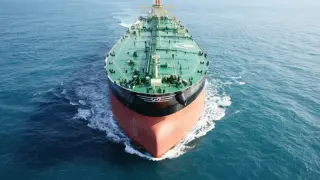
Crude exports through the Strait of Hormuz remained resilient in October, averaging 11.1 million barrels per day, despite a sharp spike in attacks on commercial vessels. While Brent crude prices surged above $117 a barrel, the shipping industry adapted using costly shuttle systems and U.S. military protection to maintain supply flows.
Spot gold dropped below $4,000 and silver hit yearly lows on Friday as a new attack on a tanker in the Strait of Hormuz pushed crude oil prices higher. Rising energy costs reinforced inflation fears and expectations for continued Federal Reserve monetary tightening, outweighing geopolitical safe-haven demand. U.S. wage growth slowed slightly, but strong GDP and persistent inflation kept the case for rate hikes alive.
Spot gold recovered above $4,000 per ounce on Monday as falling crude oil prices eased inflation fears, providing relief ahead of the Federal Reserve's interest rate decision. Silver also stabilized above $54 per ounce. Diplomatic efforts by Saudi Arabia, Turkey, and Pakistan to engage Iran helped reduce immediate geopolitical risks in the Strait of Hormuz, causing Brent crude to settle at $115.81 per barrel. While the dollar strengthened, the retreat in energy costs supported precious metals despite lingering expectations for further monetary tightening.
Freight costs for shipping U.S. crude to Asia have surged tenfold due to the Iran war, reaching up to $80 million per voyage. This has caused Asian orders for U.S. oil to drop by 50%, potentially setting a seven-year low for November shipments. While rates have eased slightly from early October peaks, they remain high enough to force refiners to seek nearby supplies and push U.S. and African crude into deep discounts.
Crude tanker rates have surged to unprecedented levels, with suezmax and VLCC indices hitting all-time highs. This spike is driven by a 'cascade' effect where Middle East producers route more oil through the Strait of Hormuz under US protection, creating bottlenecks that force charterers to split cargoes and drive up rates across all tanker classes.
Crude oil exports from the Middle East have returned to pre-war levels via alternative routes, but refined product flows remain constrained. This imbalance, combined with depleted global stockpiles and ongoing security risks, is keeping oil prices elevated and diesel costs at record highs.
U.S. equities posted weekly gains despite a bond market rout and oil prices exceeding $100, driven by a resurgence in mega-cap AI stocks. The S&P 500 rose 1.2% for the week to 7,741.83, while the Nasdaq gained 2.1% to 27,068.72. The Dow Jones Industrial Average climbed 0.3% to 51,828.59. This resilience occurred despite the 10-year Treasury yield hitting its highest level since June 2007 and the 30-year yield reaching a peak not seen since 2004. The Federal Reserve’s recent rate hike and hawkish signals from officials like Michael Barr and Anna Paulson have increased the probability of a further October hike to 64%. Meanwhile, oil prices fell on Friday after reports of potential U.S.-Iran diplomatic progress regarding the Strait of Hormuz, easing inflation fears slightly.
Saudi Arabia has restarted its critical East-West oil pipeline, restoring crude exports from the Red Sea coast after a two-week shutdown caused by drone strikes. This move aims to stabilize global oil supply and mitigate price volatility amid ongoing regional tensions.
U.S. crude prices dropped below $100 for the first time in weeks after President Trump indicated openness to diplomacy with Iran and paused plans to bomb Houthi targets. While Brent crude remains above $100, market volatility persists due to supply disruptions in the Middle East, including Saudi Arabia’s rerouting of exports away from Europe.
Saudi Aramco has suspended crude oil deliveries to European refiners for October following a drone attack on its critical East-West pipeline. The 1,200-km pipeline, which transports 4-5 million barrels daily, suffered damage to three pumping stations. This halt affects all European buyers under term contracts, forcing them to seek alternative supplies. The disruption represents a significant portion of global oil supply, exacerbating concerns amid ongoing regional conflicts.
Costco has increased the price of its Kirkland Signature full-synthetic motor oil and imposed strict weekly purchase limits in response to rising crude oil costs driven by geopolitical tensions in the Middle East. The retailer is prioritizing the production of diesel and gasoline, which have higher demand and profit margins, over motor oil. This move reflects broader supply chain pressures and may prompt similar actions from competitors like Walmart and Amazon.
Spot rates for Very Large Crude Carriers (VLCCs) have surged to historic highs, with the Middle East Gulf-China route exceeding $1 million per day. This unprecedented spike is driven by severe supply constraints from Iranian attacks on the Strait of Hormuz, the shutdown of the Saudi Yanbu pipeline, and a resurgence in Chinese crude imports. While rates are currently limited by refining margins, the market shows no sign of easing, with owners benefiting from massive tonnage inefficiencies and strategic vessel consolidation by Sinokor.
Energy Aspects founder Amrita Sen asserts that the oil market has reached a critical 'inflection point' characterized by an upward spiral in prices. This shift is driven by accelerating global inventory drawdowns, specifically 120 million barrels removed in the last two weeks, and a sharp rebound in Chinese crude imports, which are estimated at 10 million barrels per day in September. These fundamental supply constraints, combined with persistent shipping risks in the Strait of Hormuz and Red Sea, are pushing crude prices above $100 per barrel, a level not seen since May.
Energy Secretary Chris Wright stated that U.S. gasoline prices are likely to decline following Labor Day, citing seasonal demand drops and increased production. This outlook contrasts with current record-high pump prices and elevated diesel costs, which are driving inflation and consumer concern.
Spot gold fell 2.68% to $4,327.70 on September 1, 2026, as rising oil prices and bond yields reinforced expectations of a Federal Reserve rate hike. The 10-year Treasury yield climbed to 4.79%, while Brent crude jumped 4.6% to $94.65 per barrel following renewed U.S. strikes on Iran. Markets now price a 66% probability of a September rate increase, pressuring precious metals despite geopolitical tensions. Gold futures opened lower on September 2, testing support levels near $4,311 as traders await Friday's nonfarm payrolls report for clarity on the labor market and monetary policy direction.