
Gulf oil recovery blocked by well restarts, not just Hormuz
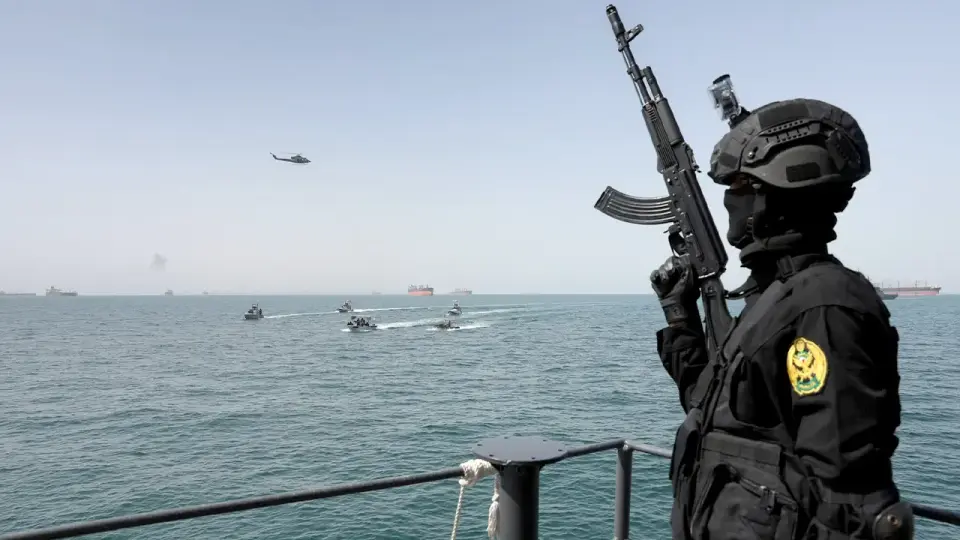
Energy experts warn that reopening the Strait of Hormuz will not immediately resolve the global oil crisis. While tanker traffic is a visible bottleneck, the deeper issue is the shutdown of millions of barrels of production in the Persian Gulf. Restarting these wells is a complex, high-risk process that could take months, leaving global supply constrained even after political tensions ease.
Key points
- Petroleum geologist Art Berman estimates 8 million barrels per day of Gulf production remains shut in, with global output down by 10 million barrels daily.
- Restarting wells is not a simple switch; it requires restoring communication with underground reservoirs and may take weeks or months, with some wells never fully recovering.
- The International Energy Agency reports Gulf production is 8.3 million barrels per day below pre-war levels, while the U.S. Energy Information Administration estimates shut-ins at 5.5 million barrels per day in July.
- U.S. refineries face specific risks for diesel and jet fuel because domestic crude grades differ from those needed for certain products, despite the U.S. being the world's largest producer.
- A White House official stated the Strait is open and blamed Iran for instability, contrasting with expert warnings about long-term technical and logistical hurdles.
Background
This crisis follows a series of escalations in the Persian Gulf, including reciprocal strikes between the U.S. and Iran in July 2026 and a brief ceasefire in June. Recent diplomatic efforts, including Oman-Iran talks and a collapsed Memorandum of Understanding, have failed to secure a permanent reopening of the Strait of Hormuz. U.S. gasoline prices have remained above $4 per gallon in August 2026, driven by geopolitical tensions rather than seasonal demand, with Brent crude trading in the upper $90s.
How outlets are covering it
Fox News emphasizes the long-term, structural damage to the global energy system, citing Art Berman's view that the crisis is a 'world-changing event' that will outlast political agreements. Berman argues that technical challenges in restarting wells and logistical issues for insurers and shipowners will keep supply constrained. In contrast, the White House dismisses these concerns, pointing to record U.S. production and blaming Iran for the instability. Semafor highlights a different immediate bottleneck: a surge in demand from Asian refineries and a drop in exports from Russia, Iran, and Saudi Arabia, creating a 4 million barrel per day shortfall. Semafor notes that U.S. refinery margins are keeping crude domestic, exacerbating the global supply gap, while Fox News focuses on the upstream production issues in the Gulf.
Why it matters
The persistence of the oil crisis despite potential political resolutions indicates that the global energy system faces structural disruptions. Prolonged shortages of specific crude grades could lead to sustained high prices for diesel and jet fuel, affecting transportation and aviation globally. The technical difficulty of restarting wells suggests that recovery will be slower than anticipated, potentially leading to long-term economic consequences and a reconfiguration of global energy trade patterns.
What to watch
Analysts expect production and trade patterns to gradually return to pre-conflict conditions by early 2027, but some Gulf producers may not regain previous output levels. The U.S. Energy Information Administration forecasts a return to normalcy, while Wood Mackenzie projects a 90% recovery within six months, assuming controlled restarts. However, the final 1 million barrels per day may take considerably longer. The focus will shift from tanker traffic to the technical challenges of well restarts and the ability of insurers and shipowners to resume normal operations.
- Hormuz crisis hides a deeper oil threat that could outlast the war Fox News
- Oil surges to three-week high as Iran war stalemate and UAE trade freeze tighten supply qz.com
- Bond Market Stress Returns and Oil Rises in Edgy Day for Markets The New York Times
- Oil Set for Weekly Surge as US Seeks to Throttle Iran’s Economy Bloomberg.com
- View / Hormuz ‘isn’t really the problem’ Semafor
Want the full story? Read the original reporting
Read on Fox News