
Lower Arkansas Farmers Deploy Economic Data to Counter Urban Water Buyouts
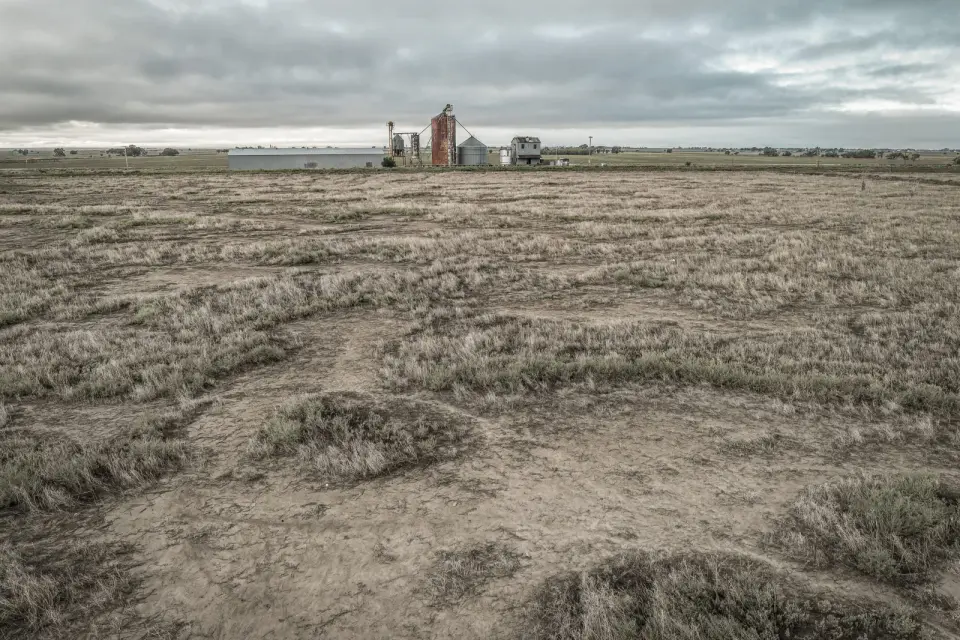
Leaders in five southeastern Colorado counties have released a new economic analysis to quantify the impact of water rights sales to Front Range cities. The report estimates that the loss of approximately 100,000 irrigated acres has caused $142 million in annual economic output losses. While Aurora and Colorado Springs acknowledge past harms and have begun leaseback negotiations, they argue that water transfer supports critical state infrastructure and jobs. The dispute centers on whether urban growth justifies the decline of rural farming communities, with new 2026 laws requiring revegetation but not halting future acquisitions.
Key points
- A Nov. 4 water summit in Rocky Ford unveiled a 'story map' and economic analysis by The Freshwater Trust, commissioned by the Lower Arkansas Valley Water Conservancy District.
- The analysis estimates that the dry-up of 100,000 acres has resulted in $142 million in annual economic losses, providing data for compensation negotiations.
- Aurora Water and Colorado Springs Utilities acknowledge past wrongs but argue that water transfers support national defense, medical centers, and schools, challenging the narrative that urban use is inherently negative.
- Recent negotiations include leaseback arrangements with families like the Hirakatas and Hanagans to keep crops growing, though critics argue these are insufficient compared to the total loss of farmland.
- A 2026 law signed by Gov. Jared Polis requires buyers to revegetate land when acquiring water rights, but it applies only as a test in the Lower Arkansas region.
- Colorado Springs Utilities is finalizing an agreement with Xcel Energy regarding water rights from a planned power plant, with 70% of the water remaining under local farmer control.
Background
This story follows earlier coverage of water scarcity and agricultural shifts in the region, though no specific prior articles in the archive directly address the Lower Arkansas buy-and-dry crisis. The current dispute highlights the long-standing tension between rural agricultural economies and urban expansion in Colorado, a theme that has persisted since the 1970s when speculators began selling irrigation water to suburban areas.
Why it matters
The conflict illustrates the broader struggle between rural and urban interests in water-scarce regions. The new economic data provides a concrete basis for compensation claims, potentially influencing future water rights negotiations and policy across the state. It also highlights the limitations of current legal frameworks, which prioritize senior water rights and allow the sale of agricultural water, even as communities face economic and cultural decline.
What to watch
Aurora Water is set to reveal details of new agreements with Rocky Ford-area farming families this week. Colorado Springs Utilities is finalizing its pact with Xcel Energy, which will keep 70% of the water under local control. Both cities are negotiating mitigation and leaseback terms, but the pressure to acquire additional water for housing growth is expected to continue, as noted in the story map.
Want the full story? Read the original reporting
Read on The Colorado Sun