
Pimco Warns US 10-Year Yields Could Hit 6% Amid Debt and Inflation Fears
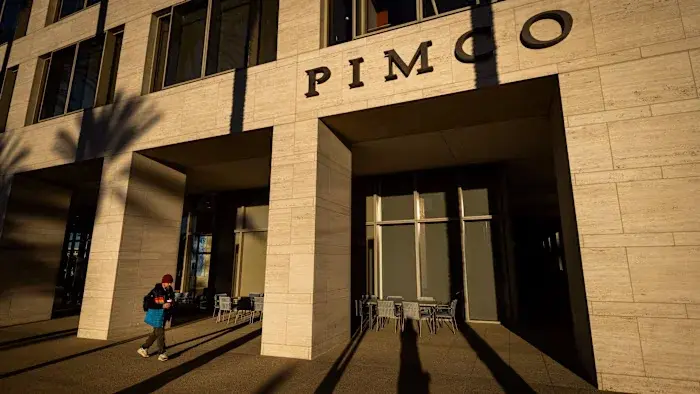
Pimco’s chief investment officer, Dan Ivascyn, warned that US 10-year Treasury yields could reach 6% for the first time since 2000. This potential spike is driven by forced liquidations from leveraged investors, persistent inflation, and concerns over US public debt. Current yields stand at 5.29%, with mortgage rates already hitting 7.4%.
Key points
- Dan Ivascyn of Pimco stated that a rise to 6% is feasible due to stop-out activity from hedge funds and other leveraged investors unwinding losing positions.
- US 10-year yields are currently at 5.29%, approaching levels last seen in 2000, driven by fears over high oil prices, inflation, and massive AI-related borrowing.
- Rising yields are pressuring riskier assets; borrowing costs for low-credit corporate bonds hit 17%, their highest since May 2020.
- US 30-year mortgage rates averaged 7.4% as of October 8, the highest since 2023, adding pressure on households ahead of midterm elections.
- Ivascyn noted that while yields may rise, investors shifting portfolios into Treasuries to lock in high returns will eventually act as a limiting factor.
Background
This escalation follows a period of significant volatility. In October 2026, the 10-year yield recorded its largest monthly jump since 2022. Prior to this, mortgage rates had already climbed to 7.17% in September, signaling a housing market slowdown. Analysts had previously warned that sustained yields above 5% would strain commercial real estate and highly indebted borrowers as low-rate debt refinances at higher costs. Additionally, geopolitical tensions, including the US-Iran conflict, have contributed to rising oil prices and inflationary pressures.
How outlets are covering it
The Financial Times highlights the structural risks, emphasizing how forced liquidations by leveraged investors could trigger a 'vicious loop' in the bond market, potentially spilling over into equities and private markets like commercial real estate. CNBC, however, reports a more immediate stabilization, noting that yields were steady on Friday after hitting 24-year highs earlier in the week. CNBC attributes this pause to strong demand in recent Treasury auctions, where indirect bidders took over 72% of the 30-year notes sold, suggesting that institutional buyers are stepping in to support the market despite the broader volatility.
Why it matters
A move to 6% yields would represent a historic shift in global borrowing costs, directly impacting mortgage rates, corporate debt, and government financing. It could trigger a broader risk-off sentiment, weakening stock markets and credit markets, while increasing the cost of living for American households. The stability of the bond market is crucial for global financial stability, and any further spike could exacerbate economic stress ahead of critical US midterm elections.
What to watch
Investors will monitor whether the recent stabilization in yields holds or if forced liquidations continue to push prices down. The outcome of upcoming Treasury auctions and Federal Reserve commentary on inflation will be key. Additionally, the impact of high oil prices from the Middle East conflict on inflation expectations will be closely watched, as will the behavior of leveraged investors in the coming weeks.
- US 10-year Treasury yields risk hitting 6% for first time since 2000, Pimco says Financial Times
- US 10-year Treasury yield risks hitting 6% for first time since 2000, Pimco's Ivascyn tells FT Reuters
- Treasury yields steady as Trump strikes diplomatic tone on Iran ahead of midterms CNBC
- Auction Action Calms Treasurys WSJ
- Longer-Dated Treasuries Rise Ahead of $22 Billion 30-Year Sale Bloomberg.com
Want the full story? Read the original reporting
Read on Financial Times