
Hormuz Traffic Halts as U.S.-Iran Ceasefire Lapses Without Deal
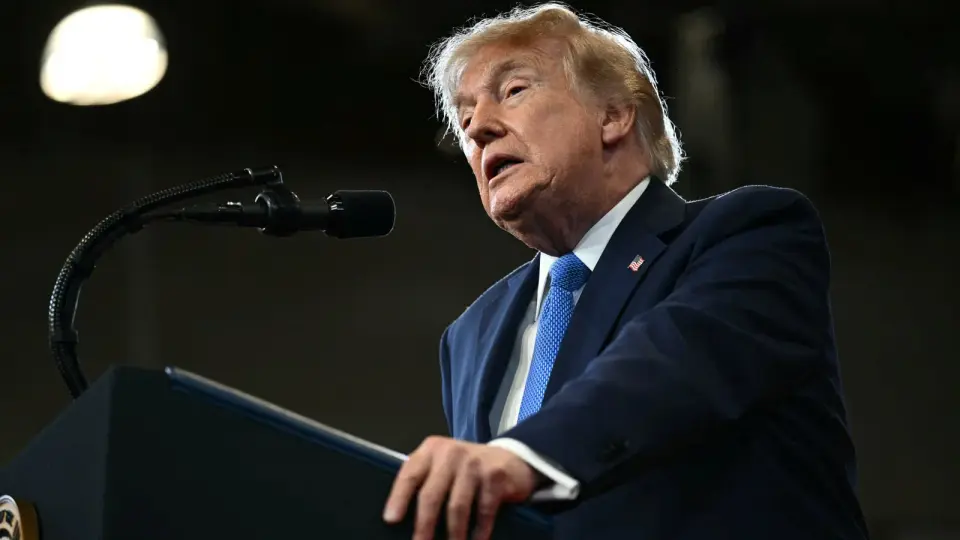
Shipping through the Strait of Hormuz has effectively stopped as the 60-day U.S.-Iran ceasefire expires on Monday without a formal agreement. President Trump threatened military action against Oman if it interferes with U.S. interests, while Tehran denies active negotiations are occurring. Traffic dropped to just three vessels on Sunday, a sharp decline from pre-war levels, signaling potential supply disruptions.
Key points
- The 60-day ceasefire between Washington and Tehran is set to expire on Monday with no official deal reached.
- Only three ships transited the Strait of Hormuz on Sunday, compared to a five-day average of 12 and roughly 130 daily before the conflict began on Feb. 28.
- Trump stated the U.S. would bomb Oman if it 'got in the way' of negotiations, despite Oman’s role in mediating the waterway’s reopening.
- Iran’s Foreign Minister Araghchi denied the existence of a ceasefire or direct talks, stating only Qatar and Pakistan are exchanging messages.
- Trump reiterated that Iran must abandon nuclear weapons as the primary U.S. goal, while claiming informal talks with the Revolutionary Guard are ongoing.
Background
This escalation follows a period of intermittent conflict since February 2026, including a July resumption of strikes and a stalled August ceasefire. Previous coverage noted that while some officials claimed control over the strait, analysts warned that Iran could still disrupt maritime traffic and that sanctions and asset disputes remained unresolved. The current halt in shipping marks a significant regression from the partial recovery seen in mid-2026.
Why it matters
The cessation of traffic through the Strait of Hormuz threatens global oil supply chains and could drive up energy prices. The threat of U.S. military action against Oman, a key mediator, risks widening the conflict beyond the U.S.-Iran bilateral dispute. With no formal negotiations, the expiration of the ceasefire creates a high risk of renewed hostilities and prolonged economic instability in the Gulf region.
What to watch
Markets will monitor for any immediate resumption of hostilities following the Monday deadline. Investors should assess the impact of sustained shipping halts on oil inventories and refined product availability. Diplomatic efforts via Qatar and Pakistan may continue, but without formal talks, the situation remains volatile. Trump’s stance on nuclear non-proliferation will likely remain a central condition for any future U.S. engagement.
- Strait of Hormuz shipping grinds to a halt ahead of U.S.-Iran ceasefire expiry CNBC
- Oil Prices Retain Risk Premium as Iran, Oman Progress Talks on Strait of Hormuz WSJ
- Shipping slows through Strait of Hormuz after tanker attacks, data shows Reuters
- Oil Edges Higher With Hormuz Risks and Lebanon Tensions in Focus Bloomberg.com
- Hormuz Tanker Traffic Slows to a Trickle Crude Oil Prices Today | OilPrice.com
Want the full story? Read the original reporting
Read on CNBC