
U.S. Strikes Iranian Tankers as Oil Prices Surge and Global Markets Plunge
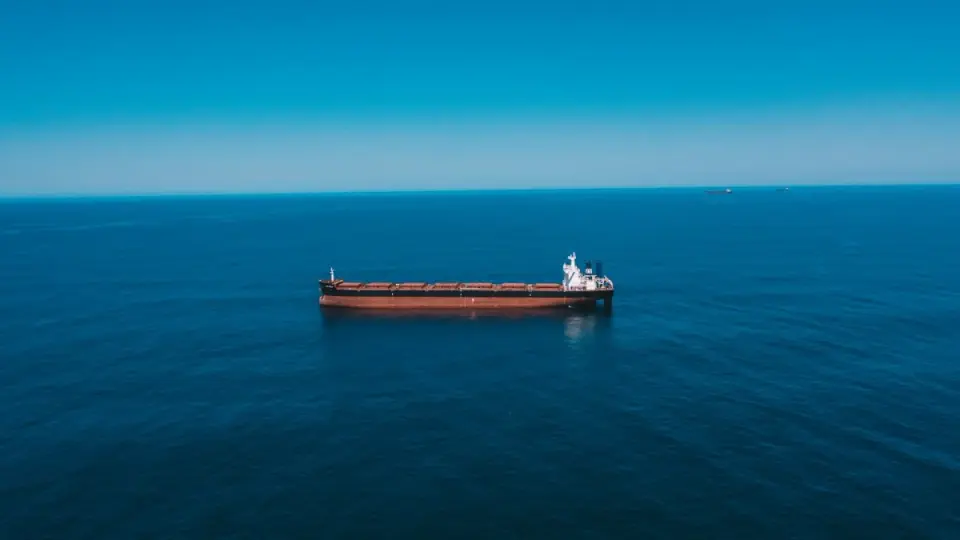
U.S. military forces struck Iranian military infrastructure and two government tankers in the Strait of Hormuz, marking a significant escalation after a month of relative calm. This new 'tanker for tanker' policy triggered a sharp rise in oil prices, with WTI crude climbing above $91 and Brent approaching $96. In response, Iran launched missile and drone attacks on U.S. assets in Jordan, Kuwait, and Bahrain. The conflict has triggered a global market sell-off, driving the U.S. 10-year Treasury yield to its highest level since January 2025 and sending the Dow Jones down over 400 points.
Key points
- U.S. Central Command (Centcom) reported strikes on Iranian air defense, radar, and maritime assets, including two government tankers under a new retaliatory policy.
- Iran's Islamic Revolutionary Guard Corps (IRGC) retaliated by firing 13 ballistic missiles at Jordan and attacking U.S. targets in Bahrain and Kuwait.
- Oil prices surged by approximately $5 since hostilities renewed, with WTI trading at $91.05 and Brent at $95.68.
- The American Petroleum Institute reported a 2.6 million barrel draw in U.S. oil inventories, alongside a 3.1 million barrel draw from the Strategic Petroleum Reserve.
- Global equities and bond yields reacted sharply, with the U.S. 10-year Treasury yield reaching a 2025 high and Asian markets experiencing steep declines.
Background
This escalation follows a month of relative calm in U.S.-Iran relations, which had previously seen a series of strikes and maritime disruptions in the Strait of Hormuz and Red Sea. Earlier in 2026, the region experienced significant volatility, including Houthi attacks on Saudi tankers and U.S. actions against vessels breaching blockades. The current conflict represents a new phase of direct military engagement between the U.S. and Iran, moving beyond proxy conflicts to direct strikes on state assets.
How outlets are covering it
OilPrice.com emphasizes the military nature of the escalation, highlighting the new 'tanker for tanker' policy and the immediate impact on oil prices and U.S. inventories. CNBC focuses on the broader financial market fallout, noting the 'doom loop' of rising bond yields and falling equities, as well as the geopolitical tensions at the G20 summit. While ABC News was unavailable, the available sources from OilPrice and CNBC provide a consistent picture of a severe market and military escalation, though they differ in their primary focus—energy markets versus global financial stability.
Why it matters
The direct targeting of Iranian tankers and the subsequent military retaliation signal a potential shift from a limited conflict to a broader regional war. This has immediate implications for global energy security, as the Strait of Hormuz is a critical chokepoint for oil shipments. The resulting spike in oil prices and bond yields could trigger inflationary pressures and economic instability worldwide, affecting everything from fuel costs to global trade and investment.
What to watch
Traders are closely watching the upcoming EIA inventory data to confirm the reported draws in U.S. oil reserves. The situation in the Strait of Hormuz will be a key indicator of the conflict's trajectory, with shipping traffic and any further strikes being closely monitored. The Iranian regime's ability to withstand economic pressure, as indicated by the record-low rial, will also be a factor in determining the next steps in the conflict.
- Oil Prices Rally as U.S. Targets Iranian Tankers in New Escalation oilprice.com
- CNBC Daily Open: Markets trapped in Iran doom loop CNBC
- Asian shares decline, stocks slip on Wall St, while global bond sell-off intensifies ABC News - Breaking News, Latest News and Videos
- Oil settles 1% higher, as US-Iran strikes threaten supplies reuters.com
- Stocks slip as 10-year Treasury yield hits highest level since January 2025: AlphaCheck Yahoo Finance
Want the full story? Read the original reporting
Read on oilprice.com