
Trade Fractures and Chinese Expansion Reshape North American Auto Market
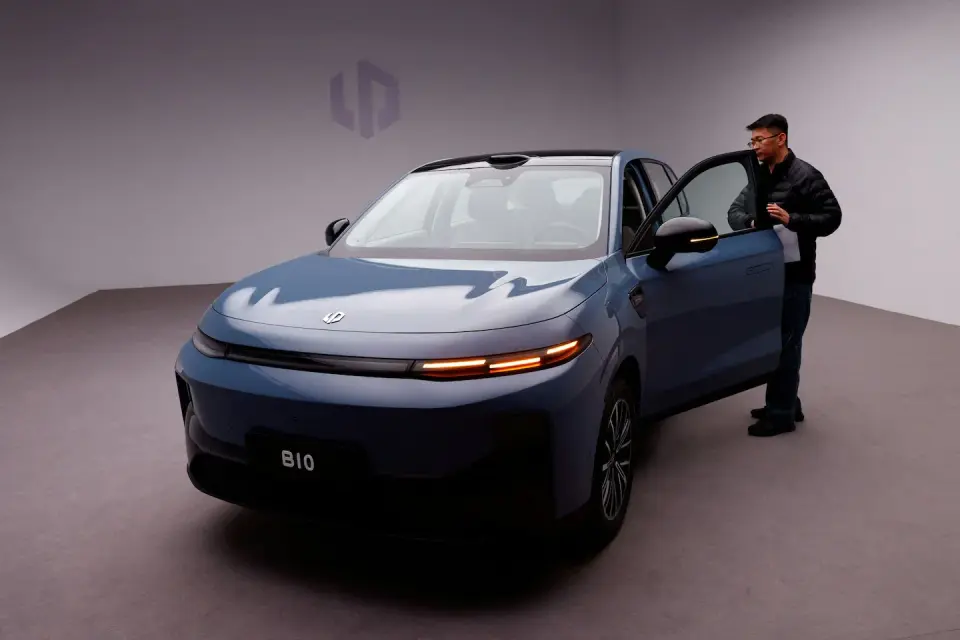
Chinese automakers are aggressively expanding into North America and Europe through local manufacturing and sales networks, a move that is gaining ground as U.S. trade tensions with Canada and Mexico disrupt traditional supply chains. While Chinese firms aim for global top-10 rankings by 2030, the domestic Chinese market faces a crisis with 80% of dealers operating at a loss due to oversaturation and shifting consumer preferences.
Key points
- Chinese companies are shifting from simple exports to establishing local manufacturing, sales, and service ecosystems in over 80 countries, including North America and Europe.
- A September 2026 plan by nine Chinese agencies aims to advance the auto industry to world-leading levels by 2030, targeting top-10 global sales rankings for several firms.
- BYD’s overseas vehicle sales in August 2026 reached 188,700 units, a 134.6% increase year-over-year, with overseas revenue exceeding domestic revenue for the first time in the first half of the year.
- In China, the dealer sector is collapsing, with an average gross margin of -21.4% and 78.1% of dealers facing price inversions, leading to the closure of over 1,800 authorized stores in the first half of 2026.
- U.S. trade conflicts with Canada and Mexico are weakening North American industrial unity, creating openings for Chinese vehicles to capture market share from traditional rivals.
Background
This development follows earlier warnings from Robert Zoellick in August 2026 that U.S. tariffs on Canada risk undoing decades of North American economic integration built through USMCA and cross-border supply chains. The current shift by Chinese automakers toward integrated global expansion contrasts with the previous focus on direct exports, occurring amidst a broader global landscape where U.S. trade policies are increasingly viewed as counterproductive to domestic industrial resilience.
How outlets are covering it
The Washington Post’s Elaine Dezenski argues that U.S. trade disputes with Canada and Mexico are actively worsening the problem by weakening North American industrial might, thereby facilitating Chinese market capture. In contrast, Bastille Post highlights the strategic, government-backed nature of this expansion, noting that Chinese firms are building comprehensive industrial ecosystems rather than just exporting products. 36kr provides a contrasting view from within China, detailing a severe domestic crisis where 80% of dealers are losing money and the traditional 4S store model is failing due to oversaturation and the rise of new energy vehicles, suggesting that the aggressive overseas push may be a response to domestic market saturation and structural inefficiencies.
Why it matters
The shift from export-led to locally integrated manufacturing by Chinese automakers threatens to permanently alter the global automotive landscape, potentially displacing North American and European incumbents. Simultaneously, the collapse of the Chinese domestic dealer network signals a maturing market that is forcing manufacturers to seek growth abroad, intensifying competition in regions where trade policies are currently fragmented and unstable.
What to watch
Watch for the implementation of the 2030 blueprint by Chinese agencies, which aims to solidify global market positions through technology and service cooperation. In North America, monitor the impact of ongoing U.S.-Canada-Mexico trade tensions on supply chain integrity and the potential for increased Chinese vehicle penetration as traditional alliances weaken. Additionally, observe how Chinese automakers adapt their domestic distribution models to survive the current dealer crisis, which may influence their strategies in overseas markets.
- Opinion | China is quietly taking over the North American car market The Washington Post
- 80% of Auto Dealers Sell Vehicles at a Loss: Outdated Operating Models Pushing 4S Dealerships to Demise eu.36kr.com
- How divisions between the US, Canada and Mexico are opening doors for Chinese cars Moneycontrol.com
- Chinese automakers take global push beyond vehicle exports bastillepost.com
- China carmakers lean on exports as domestic sales stall digitimes
Want the full story? Read the original reporting
Read on The Washington Post