
Middle East Conflict Drives Oil to $105 and UK Bond Yields to Decade Highs
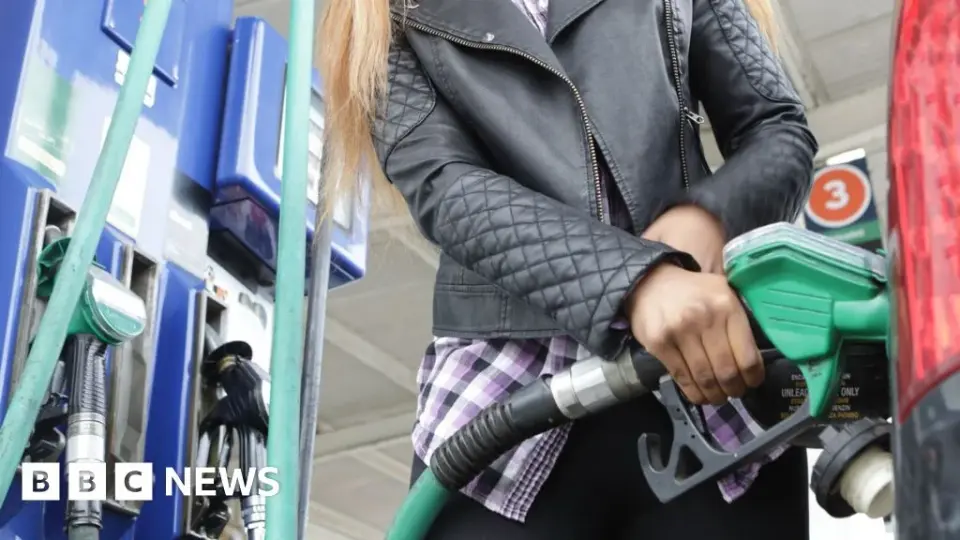
Escalating US-Iran conflict has pushed Brent crude above $105 a barrel and effectively closed the Strait of Hormuz. This energy shock is driving inflation fears, causing UK 10-year bond yields to hit their highest level since 2007, and spiking wholesale gas prices in the UK to over 200p per therm. While Ofgem's price cap offers some protection for grid-connected households, rural areas face a severe cost-of-living crisis as heating oil prices have risen by 82% year-on-year.
Key points
- Brent crude oil prices have surged past $105 per barrel following the effective closure of the Strait of Hormuz due to the US-Iran conflict.
- UK 10-year government bond yields reached their highest level since 2007, with 20- and 30-year yields hitting levels not seen since 1998.
- Wholesale natural gas prices in the UK exceeded 200p per therm, the first time since late 2022, driven by low European storage levels and supply disruptions.
- President Trump indicated the conflict may continue until after the November US mid-term elections, prolonging market uncertainty.
- Houthi forces reportedly seized the Yemeni port of Mokha, raising fears of further Red Sea shipping disruptions.
Background
This escalation follows a series of strikes on Iran in early September 2026, which had previously pushed oil prices above $92 and US 10-year yields to 4.79%. The current surge represents a significant intensification of the conflict, moving from a price spike to a structural supply disruption via the Strait of Hormuz. The UK's energy landscape is further complicated by a long-term decline in North Sea gas production, which is expected to halve within four years, increasing reliance on imported LNG from authoritarian states.
How outlets are covering it
BBC and The Independent focus on the immediate macroeconomic impact, highlighting the surge in borrowing costs and the potential for accelerated inflation. The Telegraph provides a longer-term structural perspective, warning of a 'gas cliff-edge' as North Sea and Norwegian production decline, arguing that the UK is becoming more, not less, dependent on imported energy. Community Action Northumberland highlights the disproportionate impact on rural households, noting that heating oil prices have risen by 82% and are not covered by Ofgem's price cap, unlike grid-connected gas. While BBC and The Independent emphasize the short-term shock, The Telegraph and CAN stress the vulnerability of the UK's energy infrastructure and the specific hardship for off-grid consumers.
Why it matters
The simultaneous spike in energy prices and government borrowing costs creates a dual threat to the global economy. Higher energy costs feed directly into inflation, potentially forcing central banks to maintain or raise interest rates, which in turn increases the cost of servicing national debt and consumer mortgages. For the UK, this is particularly acute given the structural decline in domestic gas production, creating a long-term dependency on volatile international markets and exposing vulnerable rural populations to a severe cost-of-living crisis without the protection of regulatory price caps.
What to watch
Investors are expected to remain cautious as the conflict shows no sign of resolution before the November US mid-term elections. The UK government is likely to face pressure to provide targeted support for off-grid households, while energy suppliers may prepare for further price increases in January. The long-term trajectory of UK gas imports will depend on the pace of North Sea field closures and the approval of new projects like Jackdaw and Rosebank, which are currently delayed.
- Oil, gas and borrowing costs surge as fears over Middle East escalate bbc.com
- Britain Faces Winter With High Gas Prices and Thin Reserves Bloomberg.com
- Households facing winter energy bills rise as UK gas prices hit four-year high The Independent
- Rural cost of living crisis warning issued by Community Action Northumberland as call made for heating oil support Trending Now Sustainable Construction
- Britain’s gas cliff-edge is drawing dangerously close The Telegraph
Want the full story? Read the original reporting
Read on bbc.com