
Iran Conflict Drives Record Tanker Orders and Freight Rates
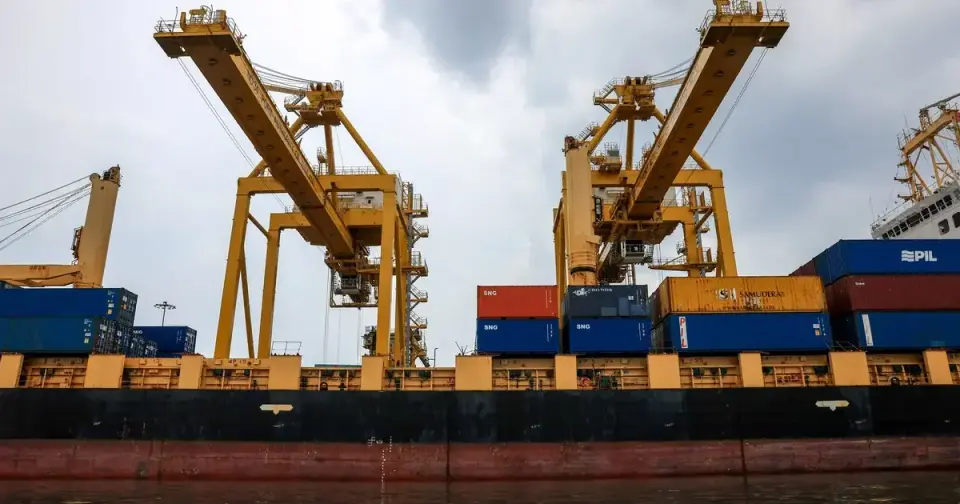
Global shipowners have commissioned more than twice the number of tankers in 2026 compared to all of 2025, triggering a $20 billion buying spree. This surge, the largest in at least 25 years, responds to disrupted trade routes caused by the Middle East conflict, including the closure of Saudi Arabia’s East-West Pipeline. As buyers shift to American crude requiring long transoceanic voyages, daily tanker leasing rates have skyrocketed to over $1 million, a tenfold increase from last year.
Key points
- Shipowners have ordered more tankers in 2026 than in all of 2025 combined.
- The $20 billion order volume represents the largest buying spree in at least a quarter-century.
- Daily leasing rates for tankers have risen tenfold to exceed $1 million.
- The closure of Saudi Arabia’s East-West Pipeline has forced a shift toward American crude.
- Transoceanic voyages for American crude are driving up demand for larger vessels.
Background
This surge follows months of escalating tensions in the Strait of Hormuz, where multiple tanker attacks and US-Iran standoffs disrupted oil flows in August and September 2026. Earlier reports noted that Brent crude prices rose toward $92 as markets feared disrupted Gulf exports, while the US deployed naval assets to secure transit routes. The current order spike reflects a structural shift in global oil logistics rather than just short-term price volatility.
How outlets are covering it
Semafor highlights the unprecedented scale of new tanker orders and the record-high leasing rates driven by route changes. Zacks Investment Research focuses on the financial implications, noting that oil tanker ETFs like BWET have surged significantly, with some funds rising over 3,600% year-to-date. While Semafor emphasizes the physical shift in trade routes toward the Americas, Zacks frames the situation as a geopolitical investment opportunity, warning that rates could reverse if tensions ease. Both outlets agree that the Middle East conflict is the primary driver of these market movements.
Why it matters
The massive increase in tanker orders and freight rates signals a permanent shift in global energy logistics. Higher shipping costs will likely be passed on to consumers through increased fuel prices. The reliance on American crude also reduces dependence on Middle Eastern supply chains, potentially altering long-term geopolitical energy dynamics. Investors in shipping and energy sectors are seeing significant returns, but these gains may be volatile if regional conflicts de-escalate.
What to watch
Monitor the pace of new tanker deliveries, which may take years to reach the market, and watch for any de-escalation in the Middle East that could reduce demand for long-haul shipping. Track the performance of oil tanker ETFs and shipping stocks for signs of a market correction if freight rates begin to normalize. Also, observe if Saudi Arabia’s pipeline closure becomes permanent or if alternative routes are developed.
- New tanker orders spike as Iran war redraws trade routes Semafor
- The Iran war is minting new one-day millionaires: oil tankers brave enough to sail across the Strait of Hormuz Fortune
- US-Iran conflict helps drive wave of supertanker orders Reuters
- The Zacks Analyst Blog Highlights BWET, Frontline, International Seaways, DHT, BWET, BOAT, BDRY and SEA Yahoo Finance
- Oil Surges, Tanker Rates Soar: ETFs in Play Zacks Investment Research
Want the full story? Read the original reporting
Read on Semafor