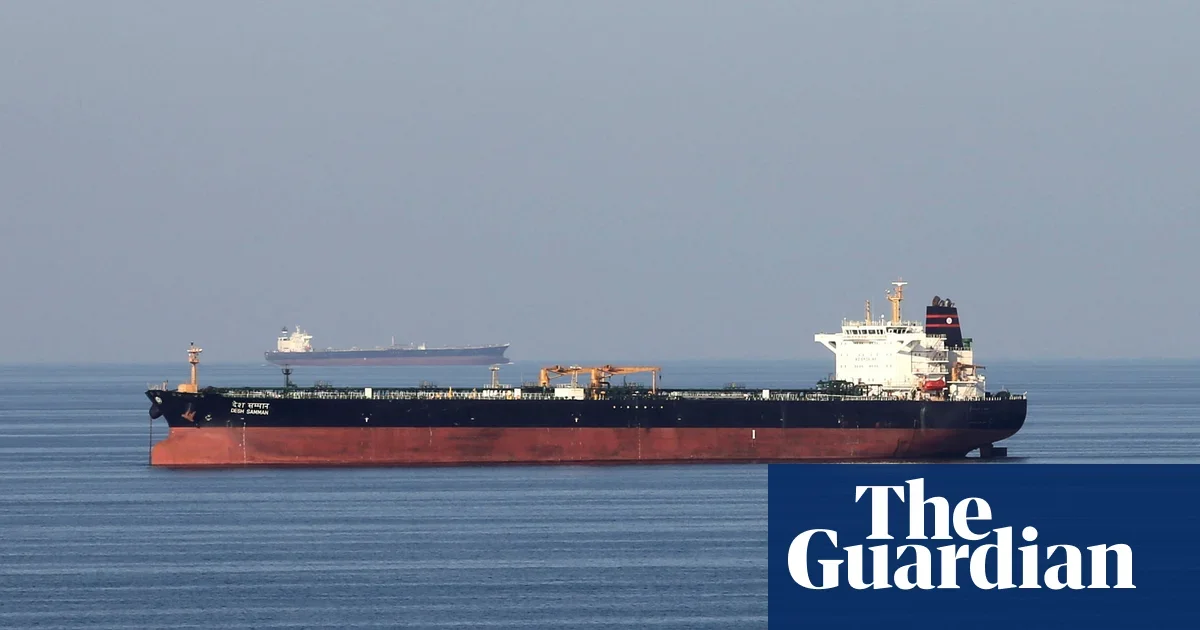
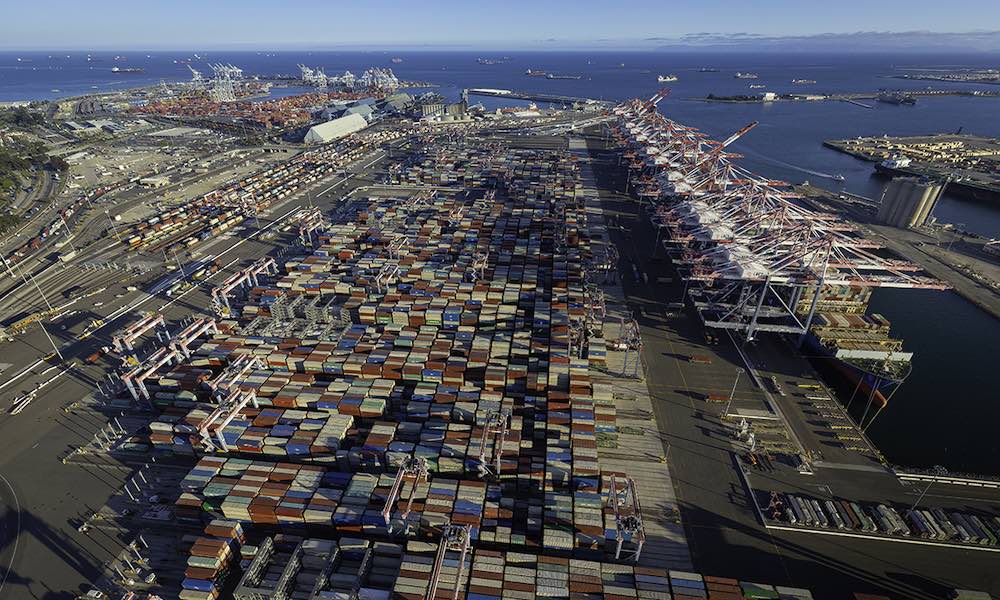
Shipowners ordered more than twice as many tankers this year than in all of 2025, in a $20 billion spree—the largest in at least a quarter century—as Middle East conflicts redraw trade routes, including the closure of Saudi Arabia’s East-West Pipeline. With crude from the Americas now moving on longer transoceanic voyages, tanker hire rates have surged to record highs, exceeding $1 million per day.
VLCC spot rates have jumped to historic highs across MEG, GOO, West Africa, and the US Gulf, with some routes approaching $1 million per day. The surge is driven by Hormuz transit disruptions, fleet inefficiencies in MEG/GOO trades, Sinokor’s large VLCC footprint, and a rebound in Chinese crude imports. With refinery margins remaining strong, rates could climb further, but a ceiling may arise if crude prices push refining profits down and demand destruction kicks in.
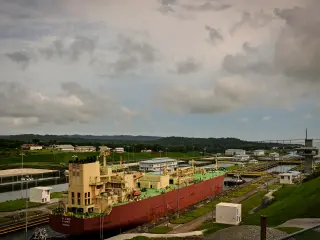
Panama Canal authorities will cap daily transits at 34 vessels (dropping to 32 after Sept. 15) due to drought driven by El Niño, reducing rainfall and canal depth. The restriction tightens a crucial chokepoint that moves about 5% of global sea trade, triggering a bidding surge for transit slots (a record $5.3 million for one passage) and likely higher freight rates. The Hormuz crisis is pushing more cargo to the Americas, including a surge in US crude exports and LPG shipments, with analysts warning routes may shift around the Cape of Good Hope over the next 6–9 months as shippers adapt to higher costs and tighter capacity.
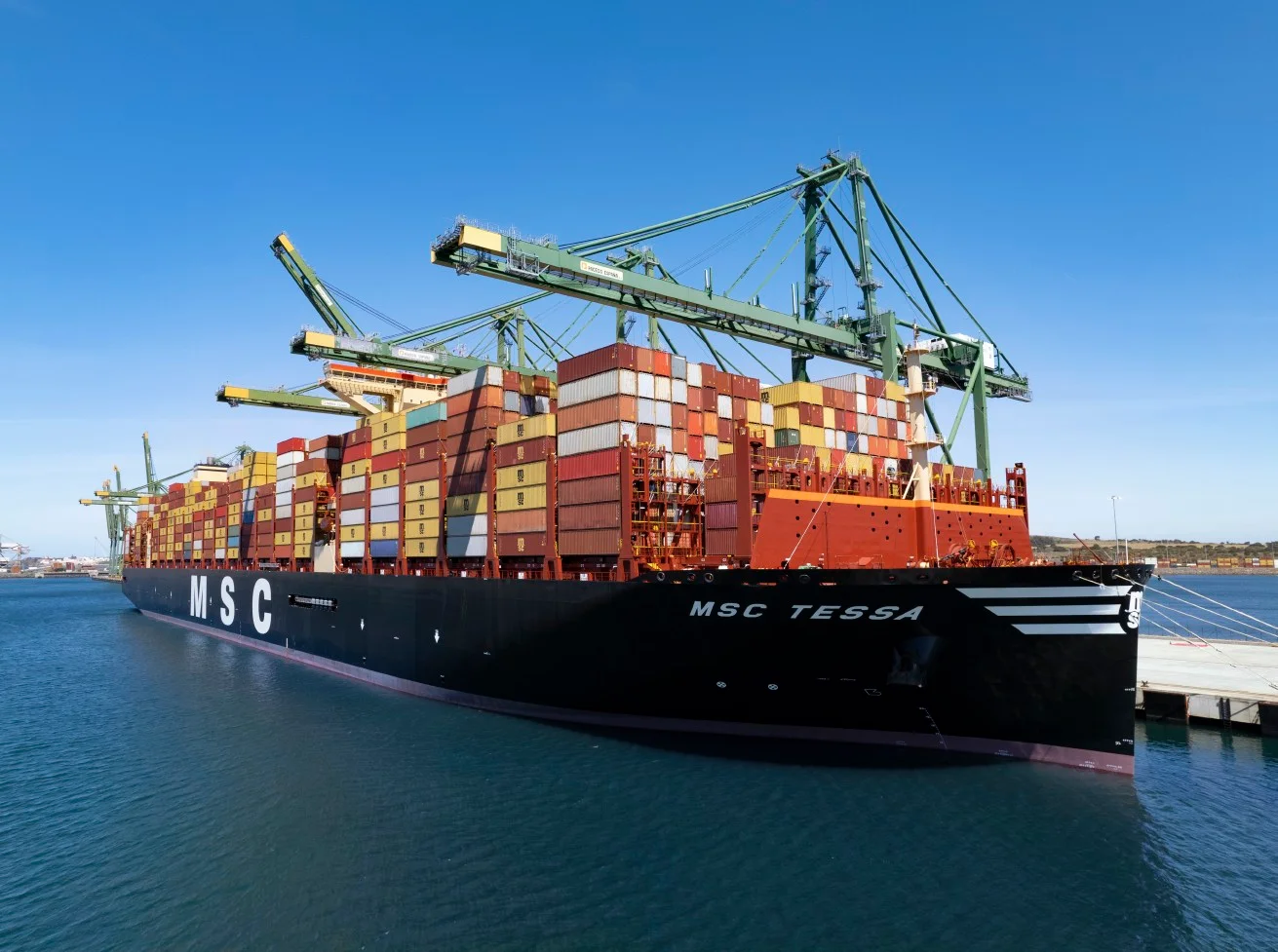
MSC announced a wave of rate increases and surcharges across several routes effective mid-March to early April 2026, including new freight rates from Nhava Sheva (India) and Pakistan to Europe (e.g., $2,150 per TEU to Antwerp and $2,250 per TEU to Valencia), an Emergency Fuel Surcharge from Northern Europe to the Indian Subcontinent ($100 per TEU for dry, $150 per TEU for reefer), and a Peak Season Surcharge from Europe to Southern Africa effective April 2, 2026 ($125 per TEU to South Africa, $150 per TEU to Namibia, $250 per TEU to Mozambique; reefers to Namibia and Mozambique higher). Additional Emergency Fuel surcharges will apply on routes between Northern Europe and multiple destinations including Italy, Red Sea, East Africa, West Mediterranean, Adriatic, Australia and New Zealand, with rates varying by route and container type. The charges are in addition to existing bunker recovery charges, ETS fees and other applicable fees, and apply to freight-all-kind cargo excluding IMO and high-value commodities.
Mutual marine insurers have cancelled war-risk coverage for vessels in the Gulf and Iranian waters as the Iran conflict escalates, prompting rerouting around Africa and higher costs. War-risk premiums could rise around 50%–100% (or more), pushing freight rates higher as routes tighten; CMA CGM and others have added surcharges, and several carriers are diverting Red Sea sailings, though Hormuz’s small share of global container traffic limits immediate systemic impacts.
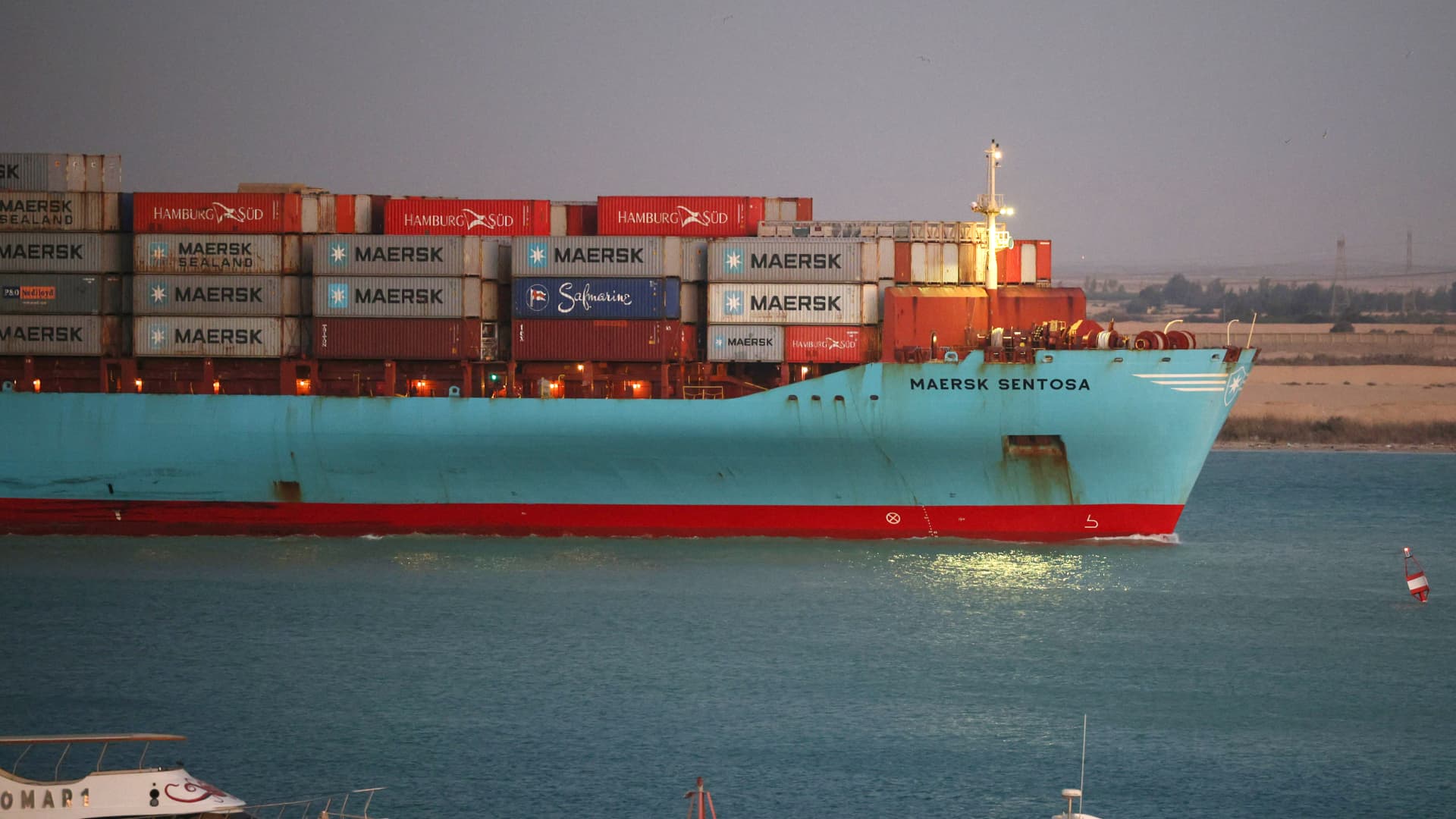
A.P. Moller-Maersk A/S shares plummeted after the company warned of an impending industry slowdown once the current boost to freight rates from the Red Sea conflict fades, with global container trade growth expected to be at 2.5% to 4.5% for the full year. About a third of Maersk’s fleet is affected by the Red Sea turmoil, and the company estimates that the global container fleet will grow 12% to 13% this year as new ships are launched, exacerbating the industry's overcapacity problem. Maersk's 2024 financial outlook missed most analyst estimates, and the company suspended its stock buyback program due to market uncertainty.
European and U.S. retailers are implementing strategies such as carrying more stock, switching to local suppliers, and reducing dependence on China to build more resilient supply chains amidst disruptions in the Red Sea. With limited financial flexibility, retailers are wary of hiking prices and are absorbing higher transport costs. Some are using sea-air freight and limiting discounting to protect inventory, while others are considering "nearshoring" to source closer to their markets. However, the focus remains on cost management and maintaining profitability in the face of supply chain challenges.
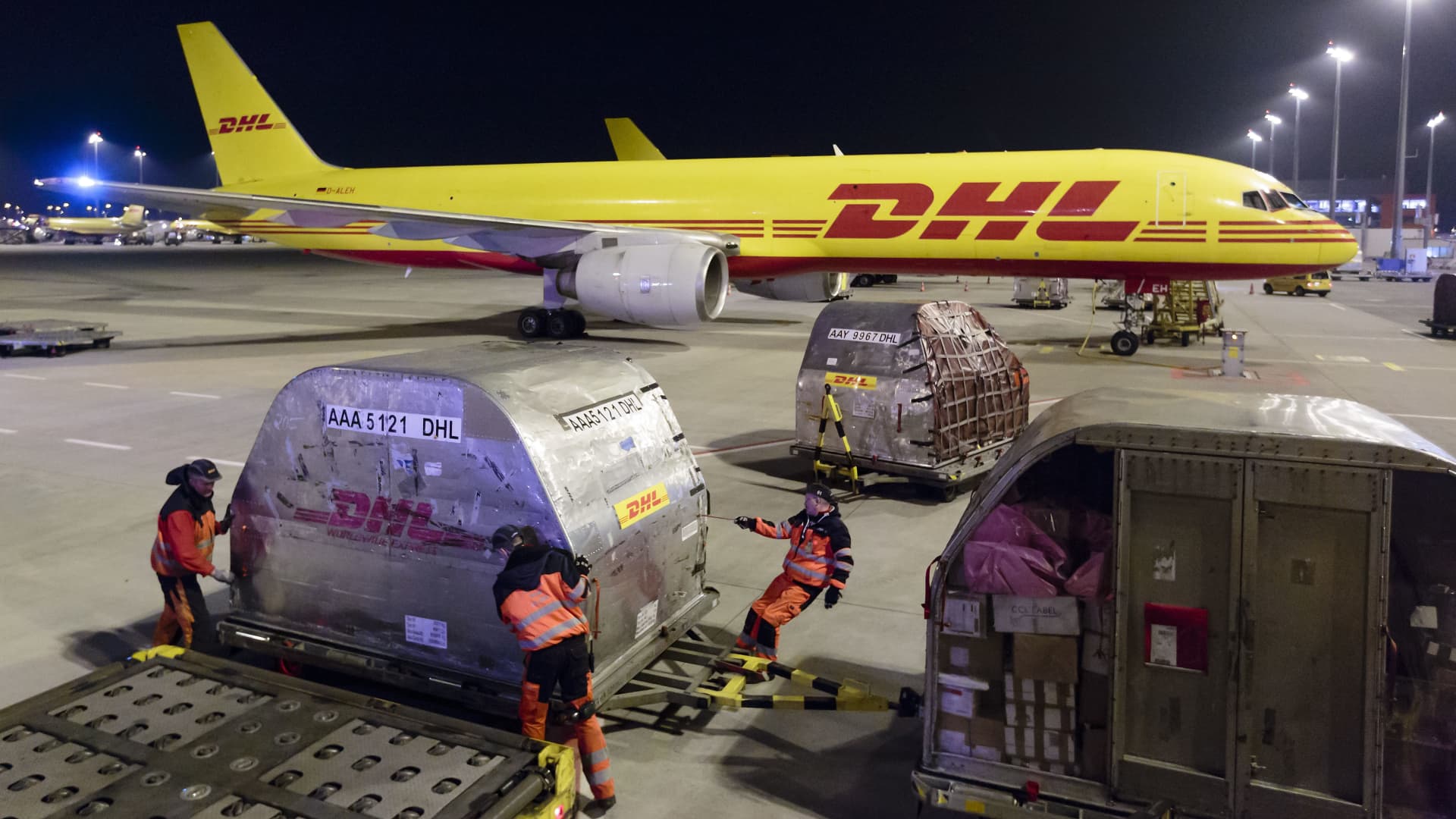
The recent Houthi attacks in the Red Sea have not only caused a spike in sea freight rates, but are also expected to drive up air freight rates as global trade flows are increasingly disrupted. Delays in maritime trade may lead some retailers to switch to air freight for faster delivery, prompting an expanded role for air cargo in the supply chain ecosystem. Industry experts anticipate a surge in air freight rates in the next few weeks, particularly as the Chinese New Year holiday approaches, potentially benefiting the air cargo industry amidst international disruption.
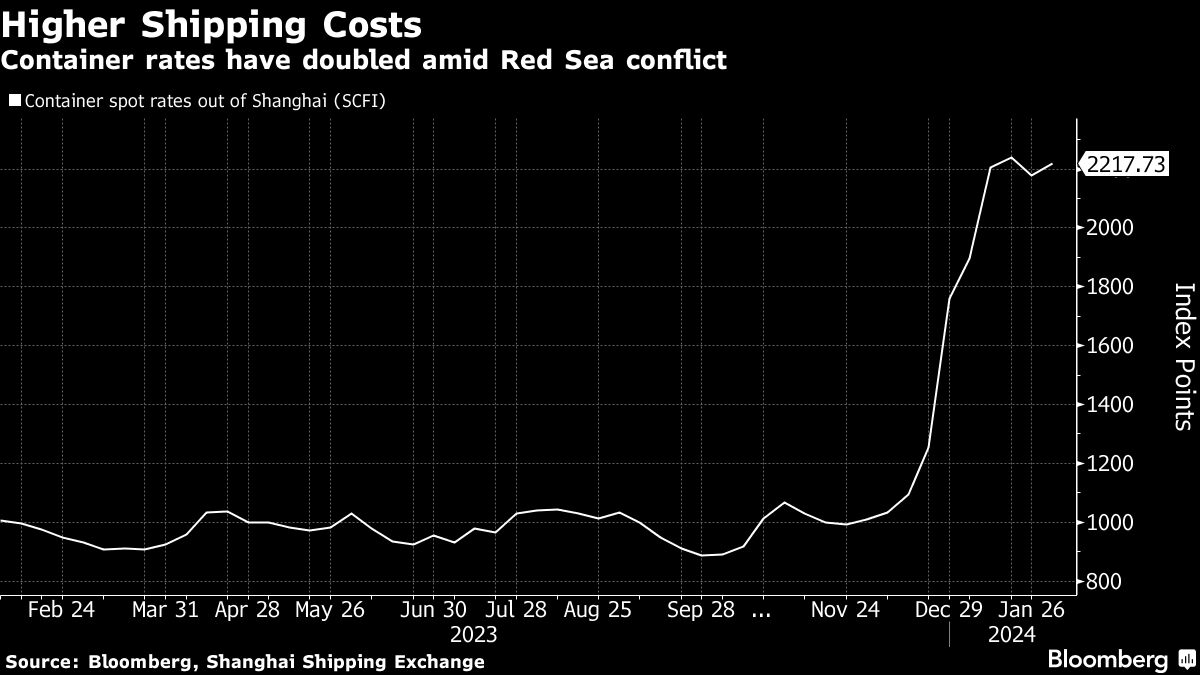
Attacks by Yemen-based Houthis in the Red Sea have led to a spike in freight rates as shipping companies divert routes, potentially ending the global shipping recession. The disruptions could add billions to the bottom line of vessel-operating common carriers (VOCCs) like Maersk, Evergreen, and COSCO. While the higher rates may boost profitability, the industry still faces challenges such as oversupply of containers and soft shipping demand. The duration of the disruptions and involvement of multinational navies will determine the extent of the impact on freight rates.
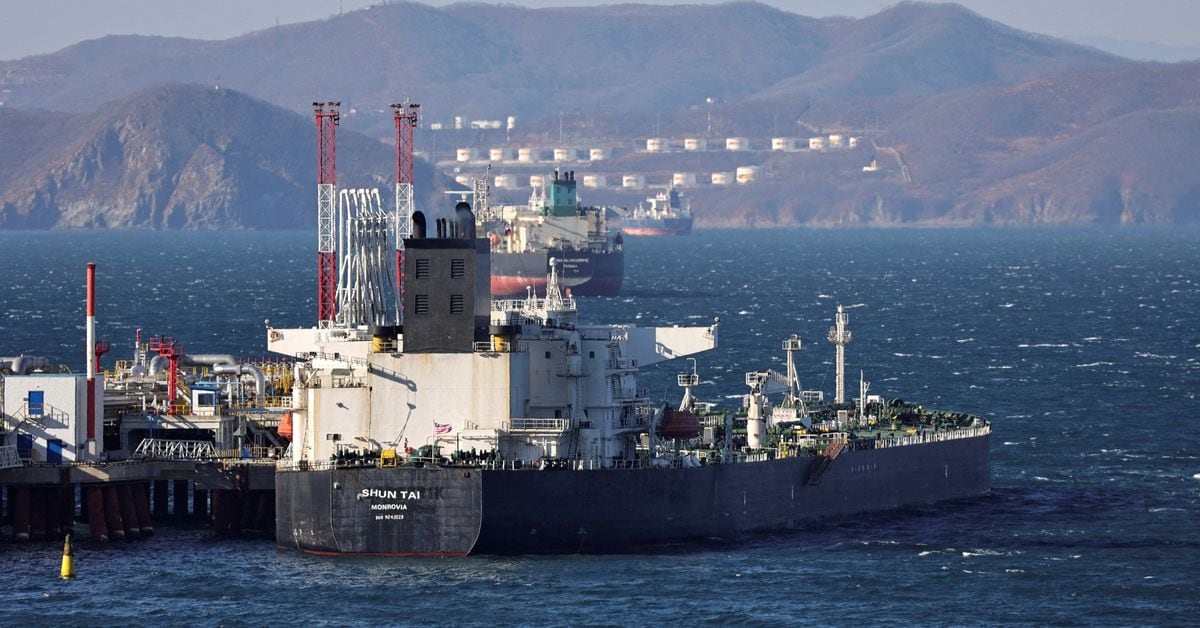
Russian crude oil producers are benefiting from cheaper freight rates to ship their oil to China and India, thanks to a growing number of vessels operating outside the purview of Western governments. This allows Russian firms to earn more than the $60 per barrel cap that the US and its allies had aimed to impose on Russia through sanctions. The increase in tanker fleet and lower freight rates mean that enforcing the price cap will have limited impact on Russian revenues. The US has recently imposed sanctions on tankers carrying Russian oil above the cap, but many vessels have already been re-registered in countries not imposing sanctions. As a result, Russian exporters are earning about $70 per barrel, well above the $60 price cap.
Industrial action by dockworkers across US west coast ports has entered its fourth day, causing severe disruptions to operations. Talks between the Pacific Maritime Association and the International Longshore and Warehouse Union have been ongoing for 13 months. If the shutdowns become widespread and protracted, freight rates into the US might increase quite sharply, warns Lars Jensen, CEO of consultancy Vespucci Maritime.